Definition and Purpose of Form
Form 941, formally known as the Employer's Quarterly Federal Tax Return, is a critical document used by employers to report income taxes, Social Security tax, and Medicare tax withheld from employees’ paychecks. Additionally, employers must include the employer’s portion of Social Security and Medicare tax. This form is essential for the Internal Revenue Service (IRS) to ensure that the correct amount of tax is collected throughout the year.
Key Elements of Form 941
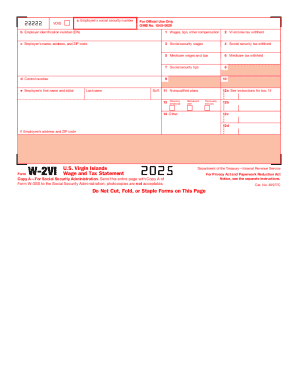
- Employer Details: Includes information such as the employer's name, address, and Employer Identification Number (EIN).
- Wages and Tax Withholding: Employers must report the total wages paid to employees and the amounts withheld for federal income, Social Security, and Medicare taxes.
- Adjustments: Any adjustments to prior quarter’s reported wages or taxes, such as fractions of cents or sick pay, are documented here.
- Deposit Schedule and Tax Liability: Employers outline their deposit schedule and detail tax liabilities for each month of the quarter.
- Signature and Date: An authorized person's signature is required to certify the accuracy of the form.
How to Use Form
Steps to Complete Form 941
- Gather Required Information: Collect all payroll records for the quarter, including total wages paid and taxes withheld.
- Report Employee Compensation and Taxes: Enter the total wages, tips, and other compensations paid to employees.
- Calculate Tax Liability: Using the guidelines provided by the IRS, compute the exact tax liability, including federal and FICA taxes.
- Make Necessary Adjustments: Include any corrections or adjustments related to prior wage and tax reporting.
- Finalize the Form: Complete the form with accurate information, review, and ensure all figures are correct.
- Signature: An authorized official must sign the form to confirm the accuracy of the data provided.
IRS Guidelines and Deadlines
- Filing Deadlines: Form 941 must be filed by the last day of the month following the end of each quarter: April 30, July 31, October 31, and January 31.
- Penalties for Non-Compliance: Failing to file on time may result in fines, calculated as a percentage of unpaid taxes.
How to Obtain Form 941
Form 941 can be accessed directly from the IRS website where employers can download and print the form for submission. Alternatively, employers may use tax software that supports IRS forms, ensuring compliance and efficiency in filing.
Submission Methods
- Electronically: Many tax reporting tools and payroll services offer electronic filing options.
- Paper Filing: Forms can be mailed to the IRS. Ensure accuracy and completeness before submission to avoid processing delays.
- In-Person: Though less common, some might choose to submit forms directly at IRS local offices.
Eligible Entities and Business Types
Business Entity Types
- Corporations and LLCs: Often the primary users of Form 941 due to regular employee payrolls.
- Partnerships: Required if they meet criteria for withholding tax on wages.
- Non-Profit Organizations: Subject to the same filing requirements if they have paid employees.
Examples of Using Form 941
- Quarterly Reporting: A retail business hires seasonal workers during the holidays and uses Form 941 to report the increased wages and tax withholdings attributable to this period.
- Adjustments: A company realizes a reporting error in January and uses the Form 941 for the first quarter to correct this mistake in the subsequent submission.
Digital vs. Paper Version
The IRS allows for both digital and paper submissions of Form 941, catering to varying preferences and technological capabilities of businesses. Many businesses prefer electronic submission for its speed and reduced likelihood of error, while traditional operations might opt for paper filing.
Penalties and Compliance
Timely submission and accuracy are vital. The IRS imposes penalties on late submission and underpayment of taxes. Common penalties include:
- Late Filing: Failure to file can result in a penalty of 5% of the unpaid tax required to be reported for each month.
- Late Payment: Unpaid taxes accrue a penalty of 0.5% per month of delay.
These measures emphasize the importance of compliance and accurate reporting for businesses using Form 941. Employing resources like DocHub for electronic workflow and signature management can streamline these processes significantly.