






Definition & Meaning
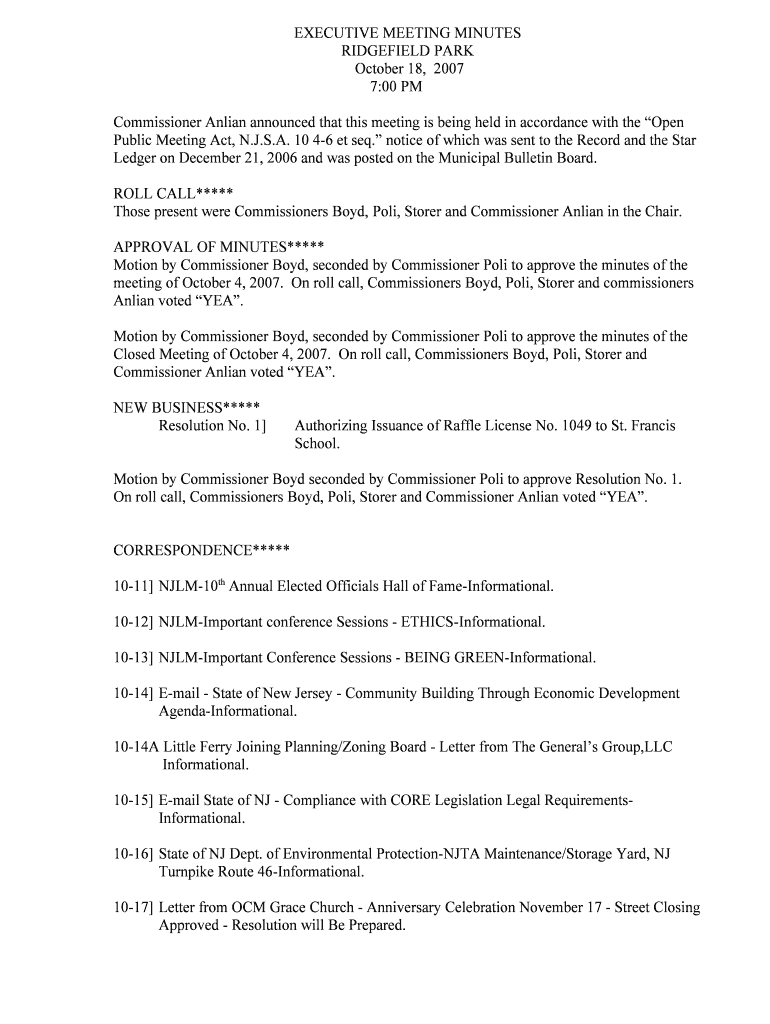
The "notice of which was sent to the Record and the Star" refers to a communication or document that is officially dispatched to two publications, "the Record" and "the Star," to notify them of a certain event, action, or decision. This notice often pertains to legal, governmental, or business matters that require public disclosure or announcement through recognized media channels. Understanding its context allows entities involved to appreciate its purpose within regulatory or procedural frameworks.
Practical Examples
- Legal Announcements: Courts or legal entities might use this form of notice to inform the public about court orders or judgments.
- Government Notifications: Municipalities or government agencies could send announcements regarding public meetings, local ordinances, or development projects.
Contextual Applications
The notice typically serves as an official record, ensuring transparency and accessibility of information to affected parties and the general public through widely recognized publications.
How to Use the Notice of Which Was Sent to the Record and the Star
Understanding the process of using this notice is crucial for accurate compliance and effective communication.
Step-by-Step Usage Guide
- Identify the Purpose: Determine why the notice needs to be sent and what information it must convey.
- Prepare the Content: Draft the notice, including all details that must be publicly disclosed.
- Select the Publications: Confirm that "the Record" and "the Star" are the appropriate channels for broadcasting the notice.
- Submission Protocol: Follow the submission guidelines of the respective publications, ensuring all requirements are met for publication.
Practical Tips
- Review Submission Deadlines: Both publications may have different submission cut-off times, so plan accordingly.
- Verify Content Accuracy: Check for clarity and accuracy to avoid misinformation.
Legal Use of the Notice of Which Was Sent to the Record and the Star
The legal implications associated with this notice extend to various use cases and jurisdictions.
Compliance Requirements
- Regulatory Mandate: Some entities are legally obligated to issue public notices via specific channels to remain in compliance with statutory requirements.
- Public Interest: It often pertains to items affecting the community or broader public, necessitating transparency.
Examples in Legal Framework
- Execution of Will Announcements: A notice might be required to inform parties of probate proceedings.
- Environmental Notices: Government announcements about environmental assessments or public land use.
Key Elements of the Notice of Which Was Sent to the Record and the Star
Understanding its components is integral for effective implementation.
Essential Components
- Subject Matter: Clear explanation of the event or action being announced.
- Date and Time: Specifics about relevant dates, especially where public engagement is concerned.
- Contact Information: Details of where further inquiries can be directed.
Detailed Breakdown
- Headline: Clearly states the notice's intent.
- Body: Provides a detailed account of the information to be shared.
- Closing: Includes the authority or organization issuing the notice, with credentials.
Steps to Complete the Notice of Which Was Sent to the Record and the Star
Completing this notice involves several key stages to ensure its readiness for publication.
Detailed Procedure
- Drafting the Notice: Begin with a rough draft to organize thoughts and mandatory content.
- Review: Engage subject matter experts or legal advisers to review for compliance.
- Approval: Obtain necessary approval from the issuing entity.
- Submission: Send the final version to "the Record" and "the Star" for publication.
Additional Considerations
- Formatting Requirements: Adhere to any formatting standards set by the publications to ensure consistency and professionalism.
- Confirmation of Receipt: Verify that both publications have received the notice and confirm publication dates.
State-Specific Rules for the Notice of Which Was Sent to the Record and the Star
Regulatory requirements can differ significantly across state lines, affecting how notices are managed and published.
Variations by State
- Jurisdiction-Specific Legislation: Some states might have unique laws dictating how and when public notices should be published.
- Preferred Platforms: Specific states might favor certain platforms or avenues for issuing notices over others.
Impact on Document Workflow
Differences in state regulations can influence how entities prepare and distribute notices, underscoring the need for awareness of local laws.
Who Typically Uses the Notice of Which Was Sent to the Record and the Star
This type of notice is employed by a variety of organizations and individuals.


Typical Users
- Legal Practitioners: Assist clients in navigating legal obligations.
- Government Agencies: Distribute information on policy changes or public services.
- Business Entities: Communicate corporate actions needing public acknowledgment.
Real-World Use Cases
- Public Hearings: Notices sent to inform community members of upcoming hearings.
- Corporate Announcements: Used during mergers, acquisitions, or other significant business milestones.
Penalties for Non-Compliance
Failure to issue necessary notices can result in legal consequences or administrative penalties.
Potential Consequences
- Legal Repercussions: Non-compliance might lead to court fines or legal disputes.
- Regulatory Penalties: Government bodies may impose sanctions or restrict operational licenses.
Avoiding Penalties
Adhering to the established guidelines for notice issuance can minimize risks associated with non-compliance and protect against potential liabilities.