
Civil Litigation Forms

Create a new Civil Litigation Form
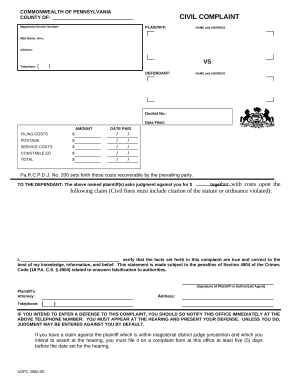
Civil complaint
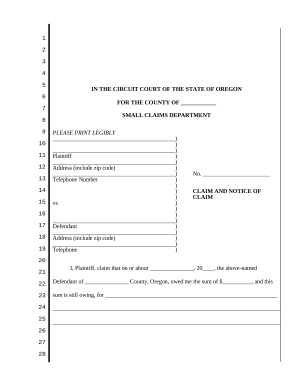
Oregon claim online

Waiver fees costs

Defamation character
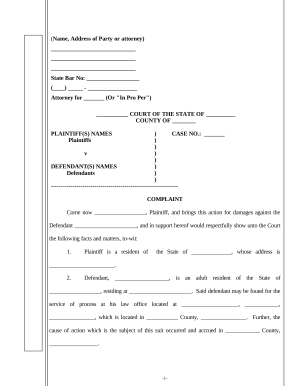
Complaint legal
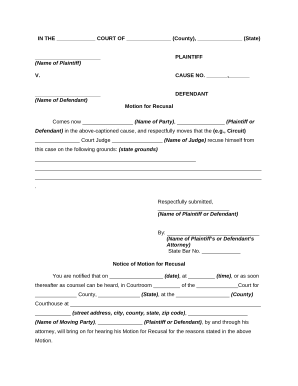
Motion judge

Federal sample defendant's opposition to motion to strike affirmative defense

How to file a petition to intervene in iowa
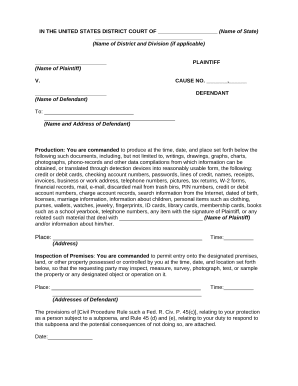
Subpoena template word

Restraining order forms printable
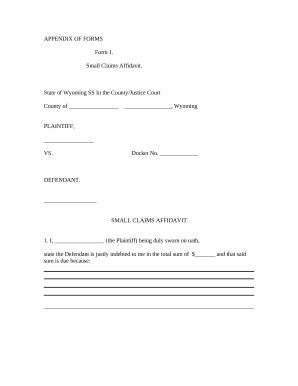
Small claims court wyoming
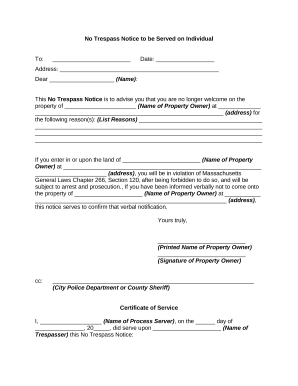
Ma trespass order
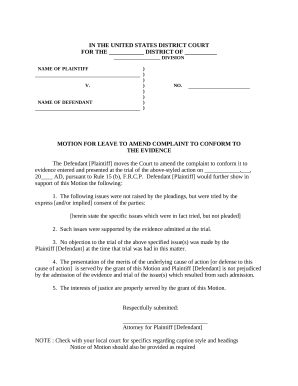
Leave amend complaint
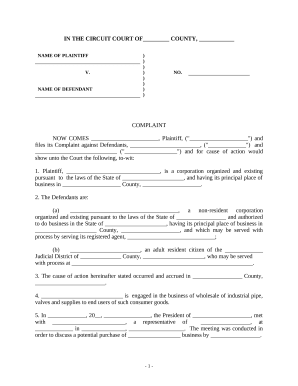
Trade secrets
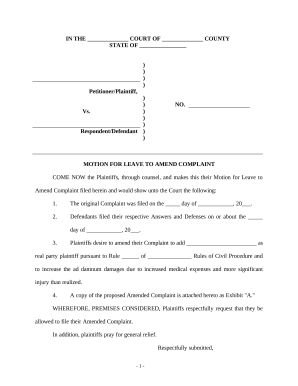
Motion amend complaint form
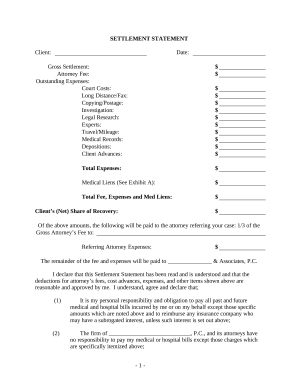
Personal Injury Settlement Statement
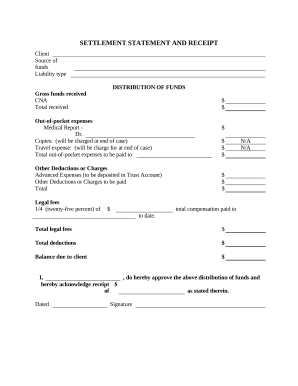
Settlement injury
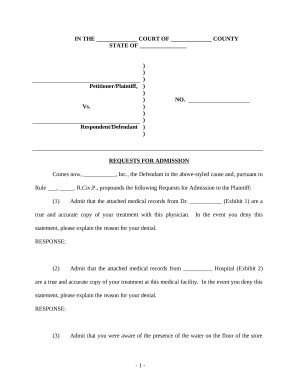
Requests for Admissions
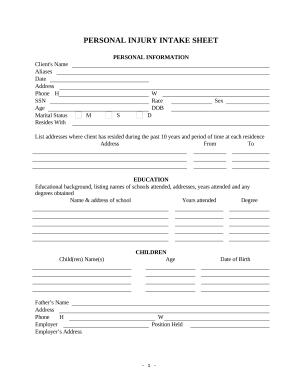
Personal injury intake form template
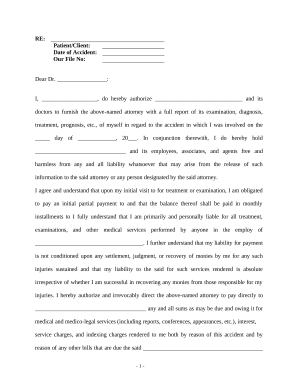
Irrevocable assignment form
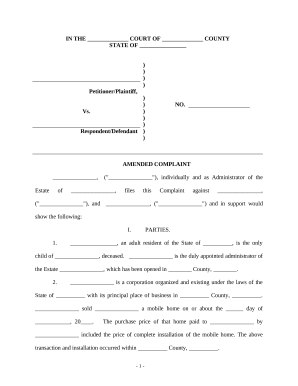
Amended complaint

Answer amended complaint
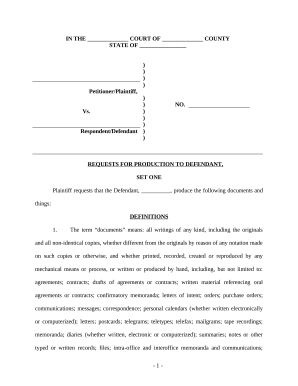
Plaintiff request production
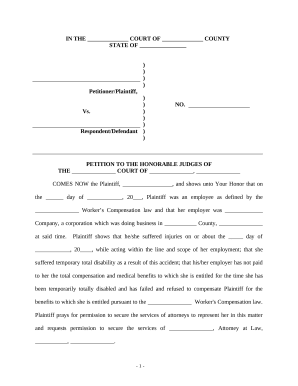
Motion order

Automobile collision

Interrogatories
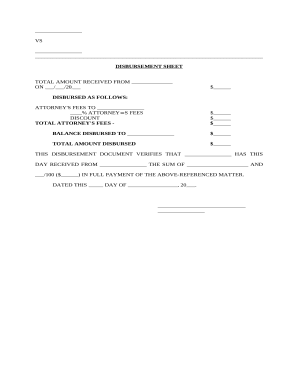
Disbursement sheet

Answer in lawsuit
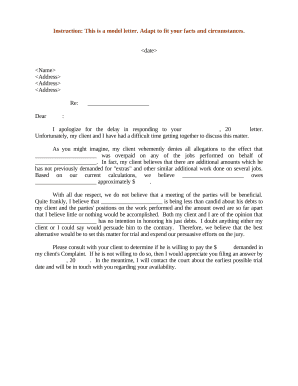
Late payment letter pdf
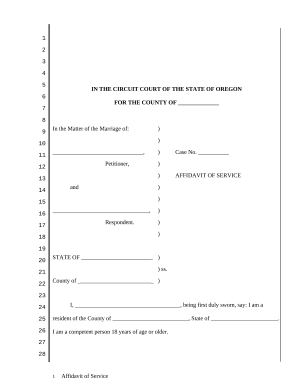
Affidavit service
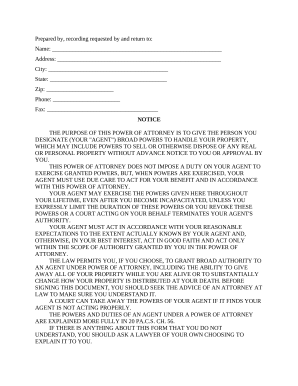
Pennsylvania power attorney form
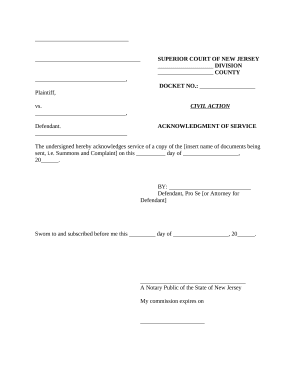
New jersey acknowledgment

Subpoena
Improve your template management with Civil Litigation Forms
Your workflows always benefit when you can easily get all the forms and documents you will need on hand. DocHub delivers a huge selection of documents to relieve your day-to-day pains. Get hold of Civil Litigation Forms category and easily discover your document.
Begin working with Civil Litigation Forms in a few clicks:
- Open Civil Litigation Forms and get the form you require.
- Click on Get Form to open it in the editor.
- Begin editing your document: add fillable fields, highlight sentences, or blackout sensitive details.
- The application saves your modifications automatically, and after you are all set, you can download or distribute your form with other contributors.
Enjoy fast and easy file managing with DocHub. Explore our Civil Litigation Forms category and locate your form today!
Video Guide on Civil Litigation Forms management

Commonly Asked Questions about Civil Litigation Forms
What is the process of civil litigation in the United States?
The Basics The plaintiff files a complaint to initiate a lawsuit. The defendant files an answer to the complaint. The judge will issue a scheduling order laying out a timeline for important dates and deadlines, including when the trial will take place. The parties engage in discovery.
What is a summons with notice demand for complaint in NY?
After a summons with notice is served, the defendant will demand that the plaintiff serve a complaint. The plaintiff must then have the complaint served within 20 days after being served with the demand, or the case may be dismissed.
How do I start a civil suit in NY?
Commencing an Action A suit is commenced by the purchase of an index number in the City Court Clerks Office. Once an index number has been purchased, the litigant has 120 days to serve the summons and complaint.
How is issue joined in New York?
If the defendant has waived their right to answer on an Affidavit of Defendant, then issue is joined on the NYS UD-13 form. This means that the plaintiff has presented all of their evidence and the defendant has not presented any evidence.
What is a notice of issue in New York?
A form that is filed in New York state court and served on all parties confirming that the parties have completed necessary discovery proceedings and the case is trial ready (CPLR 3402(a)). It is the paper that gets the case on the courts trial calendar.
What happens after a note of issue is filed in New York?
From time to time, the Administrative Judge may assign groups of non-jury cases in which a note of issue has been filed and that have not yet been scheduled for trial to a Blockbuster calendar before her or her designees for mediation. If the cases are not there resolved, they will be assigned for trial.
What is the purpose of the notice to admit in NY?
Practi- tioners use notices to admit to get their adversary to admit matters not in dispute: the genuineness of writings, or correctness or fairness of any photo- graphs or of the truth of any matters of fact.2 For this column, adversary is used to distinguish the party seeking a notice to admit (the seeking party)
How long do you have to move to vacate a note of issue in NY?
Within 20 days after service of a note of issue and certificate of readiness, any party to the action or special proceeding may move to vacate the note of issue, upon affidavit showing in what respects the case is not ready for trial, and the court may vacate the note of issue if it appears that a material fact in the
Related Templates

Brief Pain Inventory - bRCIPSb
The document is a questionnaire titled 'Brief Pain Inventory' designed to assess a patient's pain experience, including ...

Model Job Demands Checklist - Fillable Form - April 2022
The document is a Model Job Demands Checklist for the position of Volunteer Tech Helper, outlining the physical, sensory ...

DOH-5232 122216 copy
The document provides instructions for appointing a representative to assist with health insurance appeals in New York S ...
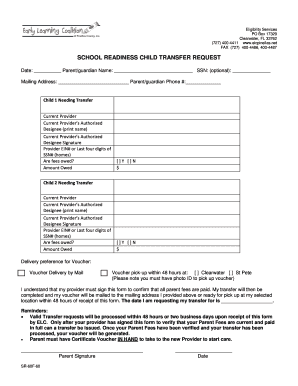
Elc pinellas transfer form
The document is a School Readiness Child Transfer Request form for parents or guardians to request the transfer of their ...

Korean visa application form
The International Programs Participant Guide for 2009-2010 provides essential information for students preparing to stud ...

Subcontractor and Supplier List - HM Kern Corporation
The document is a form for listing subcontractors and material suppliers associated with a specific project. It includes ...