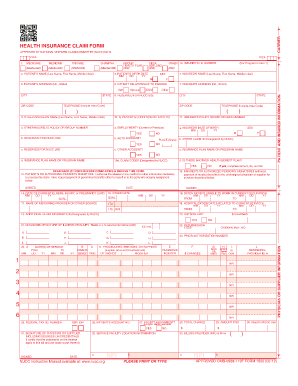
Definition and Meaning
The ACC 5937 Authority to Act Form is a legal document used to authorize an individual or entity to act on behalf of another person in certain situations. This form is typically employed when individual needs someone else to handle specific tasks or decisions in their absence. By filling out and signing this form, the principal grants explicit permissions to the designated agent, ensuring clarity and legality in representation.
- Principal and Agent Roles: The principal is the individual providing authority to another, known as the agent, to perform tasks or make decisions on their behalf.
- Scope of Authority: The form defines the scope of authority, which can include handling financial matters, managing medical decisions, or conducting business transactions.
How to Use the ACC 5937 Authority to Act Form
The process of using the ACC 5937 form involves several crucial steps to ensure it is completed and submitted correctly. The following outlines a procedural guide:
- Download or Request the Form: Start by obtaining the form from the appropriate agency or legal service.
- Identify the Parties: Clearly state the names of the principal and the agent, along with contact information.
- Define the Authority: Specify the types of actions the agent is authorized to perform.
- Signatures and Dates: Make sure both parties sign and date the form, where applicable, to validate it.
- Submit to Relevant Authorities: Depending on the purpose and jurisdiction, submit the completed form to relevant organizations or keep it for personal records.
How to Obtain the ACC 5937 Authority to Act Form
Acquiring the ACC 5937 form can vary slightly depending on the issuing organization’s protocols:
- Online Download: Many institutions offer downloadable PDFs. Visit their official website to access the form.
- Physical Requests: For those who prefer physical copies, request a form through mail or by visiting the issuing office in person.
- Third-party Legal Services: Consult legal professionals or use document preparation services that provide assistance with legal forms, including the ACC 5937.
Steps to Complete the ACC 5937 Authority to Act Form
Completing the form accurately is essential. Follow these steps:
- Read Instructions Carefully: Ensure understanding of each section before filling it out.
- Input Personal Information: Enter names, addresses, and contact details for both principal and agent.
- Set Duration and Limitations: Clearly outline the period during which the authority is valid and any constraints imposed on the agent’s actions.
- Review and Confirm Details: Double-check all information for accuracy before signing.
- Witness or Notarization: Some jurisdictions require witness signatures or notarization for the form to be legally binding. Determine if this is necessary for your situation.
Key Elements of the ACC 5937 Authority to Act Form
Understanding the crucial components of this form helps ensure it is correctly completed:
- Identification Information: Central details about the principal and the agent.
- Authority Scope: Clearly defined areas where the agent can act, outlined explicitly to prevent misunderstandings.
- Validity Period: The specified time frame the authority remains in effect, which can be continuous or for a limited duration.
- Signature Section: Mandatory signatures to validate the agreement between the parties involved.
Legal Use of the ACC 5937 Authority to Act Form
This document holds significant legal weight, making its proper usage critical:
- Binding Agreement: Once signed, the form constitutes a binding legal contract that must be adhered to by both parties.
- Jurisdictional Relevance: Understand the local laws governing the use of such forms to ensure compliance.
- Dispute Resolution: Include clauses for resolving any disagreements that may arise regarding the interpretation or execution of the agent’s authority.
State-specific Rules for the ACC 5937 Authority to Act Form
There might be variations in how the form is recognized or enforced across different states:
- Local Regulations: Each state may have unique rules regarding the execution and acceptance of authority to act forms.
- Document Requirements: Ensure compliance with state-specific requirements concerning witnessing and notarization.
- Accepted Usage: The form’s legal authority might differ in scope depending on particular state laws, especially in sectors like healthcare or finances.
Examples of Using the ACC 5937 Authority to Act Form
The applicability of the form spans various scenarios, providing utility in multiple contexts:
- Financial Management: Authorizing a financial advisor to manage investments or bank accounts.
- Business Transactions: Enabling an agent to sign contracts or engage in business negotiations on behalf of the principal.
- Healthcare Decisions: Allowing a trusted individual to make medical decisions if the principal is incapacitated.
Understanding these functionalities ensures that individuals and organizations use the form effectively and within legal boundaries.