




Definition and Meaning
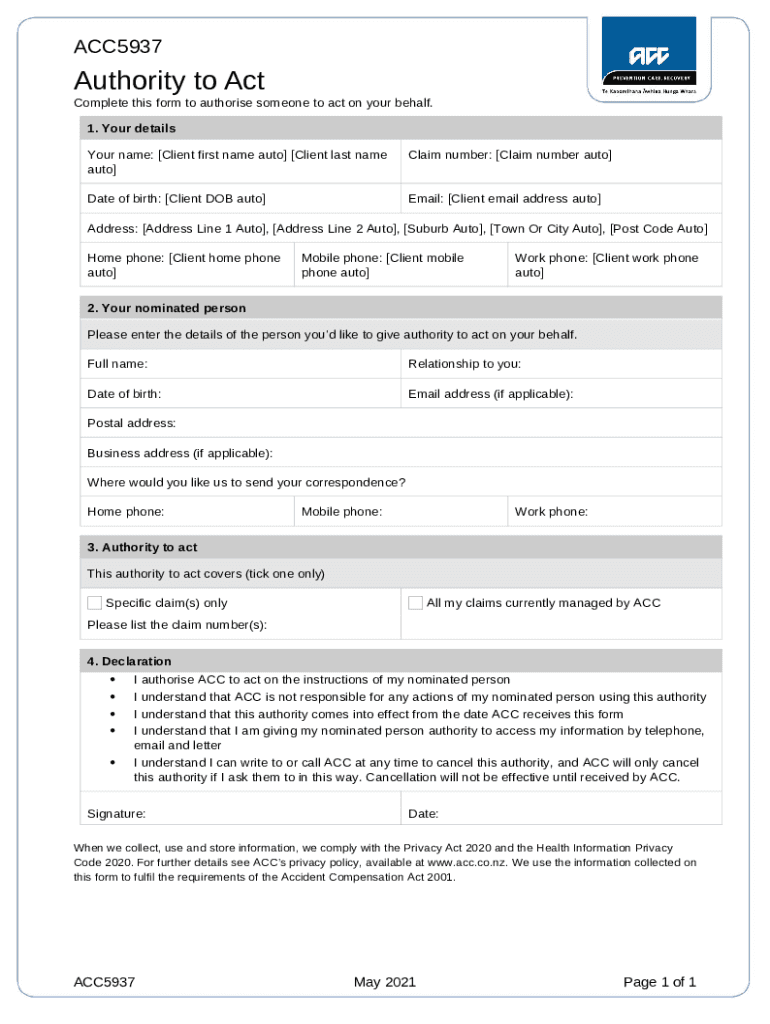
The ACC5937 Authority to Act form is a legal document that grants an individual or entity the power to act on behalf of another person in specific situations, such as managing financial matters or handling administrative tasks. The form ensures that the designated representative is authorized to make decisions and perform actions within the outlined parameters. This authority can be essential for those unable to manage these tasks themselves due to circumstances such as illness, absence, or legal restrictions.
Key Elements of the Form
- Parties Involved: Clearly identifies the person granting authority (the principal) and the individual or entity receiving it (the agent or attorney-in-fact).
- Scope of Authority: Specifies the actions the agent is permitted to undertake. This can include banking transactions, legal actions, or accessing confidential information.
- Timeframe: The duration of the authority, whether it’s a specific period or conditionally based on certain events.
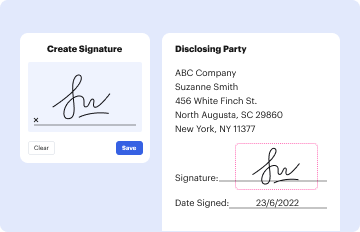
- Signatures: Both the principal and the agent must sign the form to validate it. Notarization or witness signatures may be required depending on jurisdictional rules.
How to Use the ACC5937 Authority to Act
When utilizing the ACC5937 form, the principal must ensure that the agent understands the limits and responsibilities associated with this authority. The agent should act in the principal's best interests, adhering to any conditions or limitations specified in the document.
Practical Scenarios
- Healthcare Management: Granting authority to a family member to make medical decisions on one's behalf.
- Financial Transactions: Authorizing a trusted advisor to handle banking or investment tasks while the principal is traveling.
- Business Operations: Empowering a colleague to manage contractual or payroll responsibilities in the principal's absence.
How to Obtain the ACC5937 Authority to Act
Obtaining the ACC5937 form involves acquiring the document from a relevant legal or governmental source, depending on the jurisdiction. It may be accessible through legal service providers, government offices, or online platforms that offer legal document templates.
Step-by-Step Process
- Identify the Need: Clearly determine the specific areas where authority is required.
- Select the Agent: Choose a dependable and trustworthy individual or organization.
- Complete the Form: Fill in all necessary details, ensuring clarity on the scope and duration of the authority.
- Signature Collection: Obtain all required signatures, including any witness or notary as stipulated by local laws.
Steps to Complete the ACC5937 Authority to Act
Completing the ACC5937 involves carefully filling out sections pertaining to the parties involved, the scope of authority, and any limitations. Proper completion is crucial for ensuring that the form fulfills its intended legal purpose.
Detailed Instructions
- Principal's Information: Enter full name, address, and contact details.
- Agent's Information: Provide the same details for the appointed representative.
- Scope of Authority: Define precisely what actions the agent can perform.
- Effective Date and Termination: Specify when the authority begins and under what conditions it terminates.
- Signatures: Ensure that all necessary parties sign the document to authenticate it.
Who Typically Uses the ACC5937 Authority to Act
The ACC5937 form is often employed by individuals who need to delegate authority due to incapacity, busy schedules, or complex transactions that require external expertise.


Common Users
- Elderly Individuals: To manage healthcare decisions or financial matters.
- Business Professionals: For delegating responsibilities in their absence.
- Military Personnel: Frequent deployments may necessitate a trusted person to manage affairs back home.

Legal Use of the ACC5937 Authority to Act
The use of the ACC5937 form should comply with state and federal laws, ensuring that the authority granted is within legal bounds and for lawful purposes. Misuse could result in legal disputes or invalidation of the form.
Compliance Considerations
- Jurisdictional Laws: Each state may have specific requirements regarding power of attorney forms.
- Disclosure Obligations: Transparency with all affected parties about the agent's authority.
- Revocation Guidelines: Understanding the process for legally revoking the authority if circumstances change.
Important Terms Related to ACC5937 Authority to Act
Understanding the terminology used in the ACC5937 form is vital for accurately interpreting the document and ensuring correct execution.
Key Terms
- Principal: The individual granting authority.
- Agent/Attorney-in-Fact: The person or entity receiving authority.
- Durable Power of Attorney: A term referring to authority that remains effective even if the principal becomes incapacitated.
- Limited Authority: Enables the agent to perform specific tasks only.
State-Specific Rules for the ACC5937 Authority to Act
State regulations can impact how the ACC5937 form is executed and recognized. It’s key to consult with local legal counsel to ensure compliance with regional laws.
Variations Across States
- Notarization Requirements: Some states may mandate notarization for the form to be valid.
- Witness Requirements: Other states might require witnesses apart from the principal and agent.
- Specificity of Scope: Certain jurisdictions may insist on very detailed descriptions of the agent's authority.
Ensuring these regulations are followed helps prevent legal challenges to the agent’s authority, maintaining the form's intended effectiveness.