
Court Orders
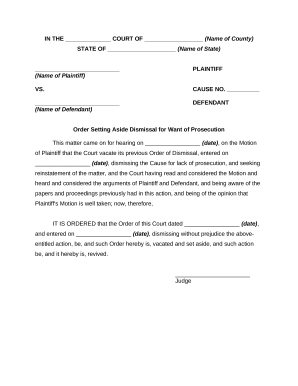
Dismissal want prosecution
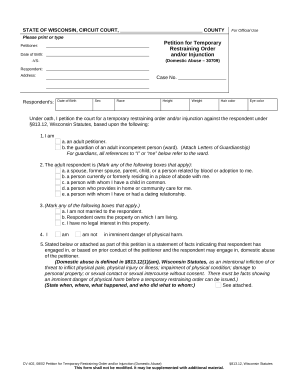
Restraining order and

Dismissal order
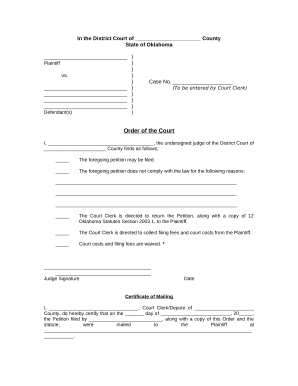
Oklahoma order
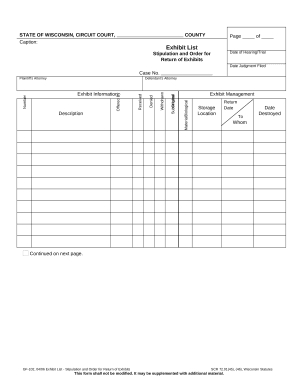
Wisconsin exhibit list
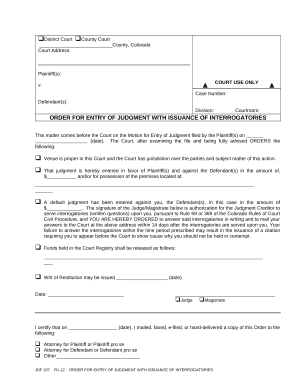
Colorado judgment
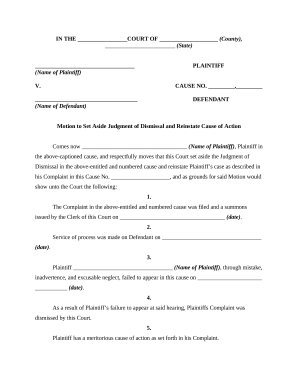
Motion to Vacate or Set Aside Judgment of Dismissal Due to Mistake, Inadvertence, or Excusable Neglect and to Reinstate Cause of Action

Restraining order forms printable
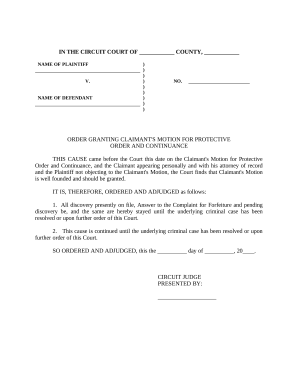
Order protective get
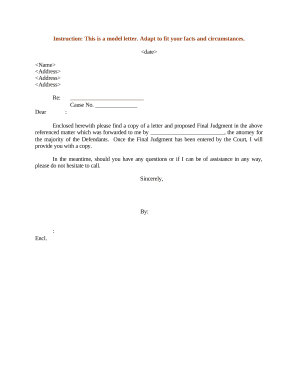
Sample proposed order
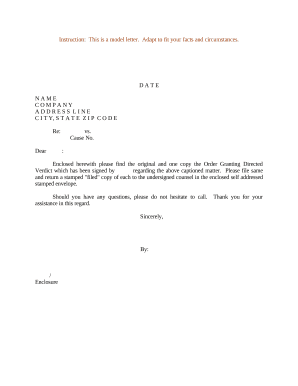
Sample letter order application

Dismissal with

File amended complaint
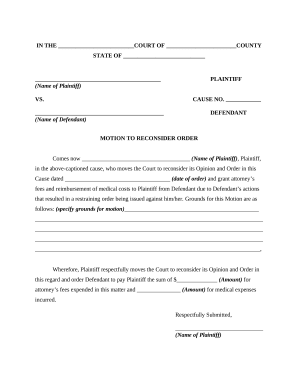
Motion court order
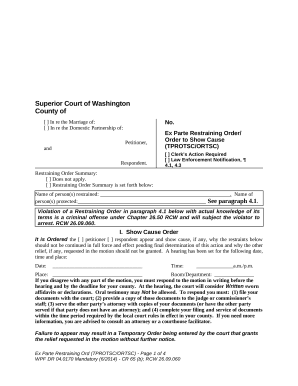
Washington restraining order
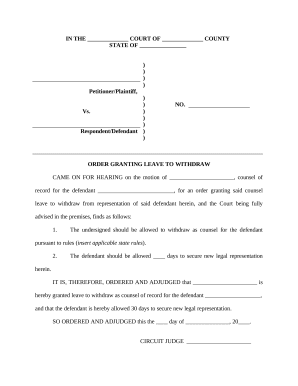
Order withdraw
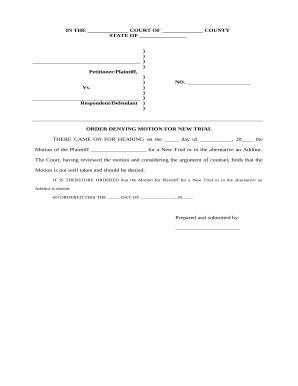
Motion new trial
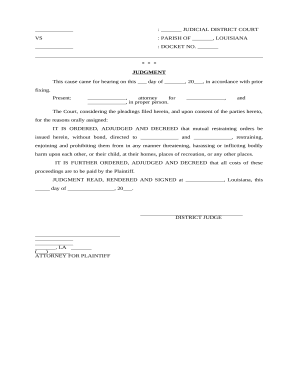
Louisiana restraining order

Sample letter order
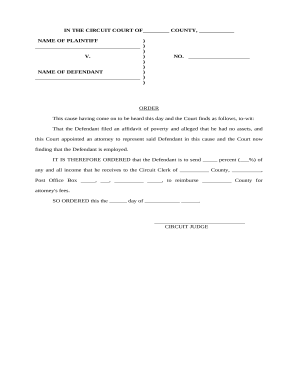
How to file a court order

Writ
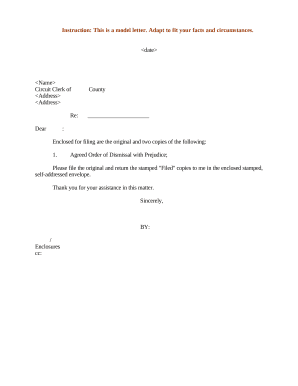
Letter with instructions
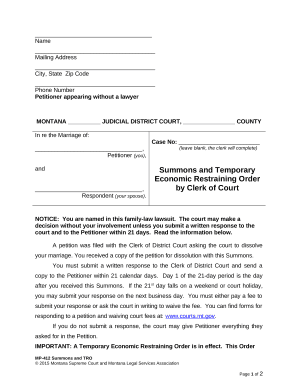
Montana restraining order
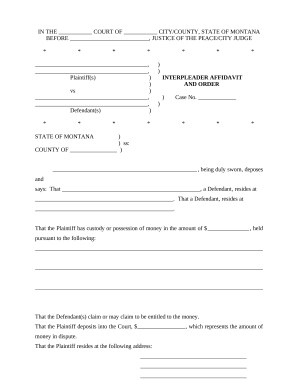
Interpleader Affidavit and Order - Montana
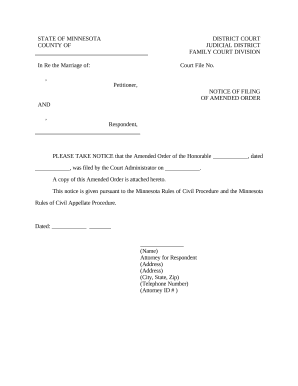
Minnesota amend
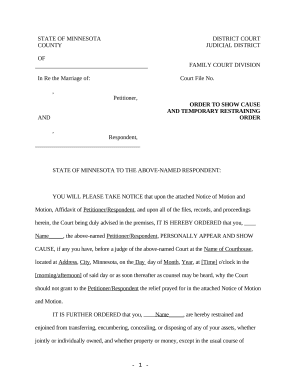
Order show cause
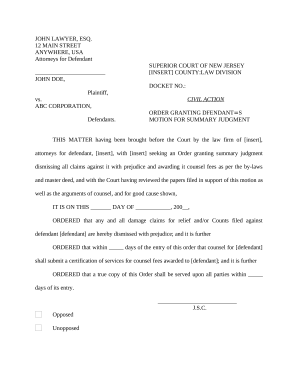
New jersey summary judgment
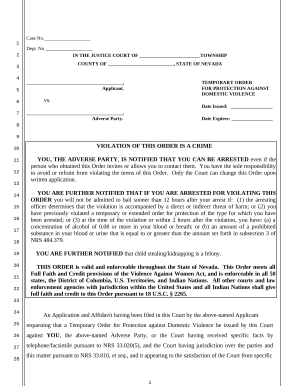
Nevada order protection
Get and handle Court Orders online
Boost your form management with the Court Orders category with ready-made form templates that meet your needs. Get the document template, modify it, complete it, and share it with your contributors without breaking a sweat. Begin working more efficiently with your documents.
How to use our Court Orders:
- Open our Court Orders and find the form you require.
- Preview your document to ensure it’s what you want, and click on Get Form to start working on it.
- Edit, include new text, or highlight important information with DocHub features.
- Prepare your form and preserve the adjustments.
- Download or share your document template with other people.
Explore all the opportunities for your online document administration with the Court Orders. Get your free free DocHub profile right now!
Video Guide on Court Orders management

Commonly Asked Questions about Court Orders
What is the difference between a motion and an order?
A motion in a US court is when a lawyer asks the judge for something (could probably be anything, but its really just a request that the court do something). An order is given by the judge and is the judge telling someone to do something.
What is the difference between an order and a ruling?
A legal order contains the details of the decision provided by the judicial officer or the court on a petition or a hearing. - Ruling: an official proclamation by a judge (or panel of judges) that defines the legal relationships between the parties to a hearing, a trial, an appeal or other court proceedings.
What are formal orders?
A Formal Order is a legal document outlining an order made by the court which is signed and sealed with the Courts seal.
What is a formal court proceeding?
Formal proceedings require a court hearing. Notice of that hearing must be served upon interested parties. Formal proceedings are more complicated and generally take longer. They do give you a greater degree of finality for matters covered by the order.
What is the meaning of the court order?
Court orders are the means in which decisions or judgments of judicial officers are issued from a court. They can include: an order made after a hearing by a judicial officer, or an order made after parties who have docHubed their own agreement have applied to a court for consent orders. See also: Order.
What is a formal request to the court?
petition. 1) n. a formal written request to a court for an order of the court. It is distinguished from a complaint in a lawsuit which asks for damages and/or performance by the opposing party.
What is a formal order of the court?
Formal Order means any ruling following an administrative or judicial hearing or an emergency directive issued by the Commissioner as authorized by law related to the initial or continued licensing of a facility which requires the facility to take or refrain from taking specified action.
Definition What is considered a court order?
So let us get right in and learn about the various types of court orders under the Civil Procedure Code in India. Interlocutory Orders. Permanent Orders. Mandatory Orders. Final Order. Speaking Order. Non-Speaking Order. Anton Pillar Orders. Remand Order. 13 Types of Court Orders Under CPC - WritingLaw writinglaw.com types-of-court-orders-cpc writinglaw.com types-of-court-orders-cpc
What is the order of formal definition?
A formal definition consists of three parts: The term (word or phrase) to be defined. The class of object or concept to which the term belongs. The differentiating characteristics that distinguish it from all others of its class.
Related Templates

Kitchen Risk Assessment Template - High Speed Training Limited
The document is a Kitchen Risk Assessment Template designed to identify and mitigate hazards in a workplace kitchen. It ...
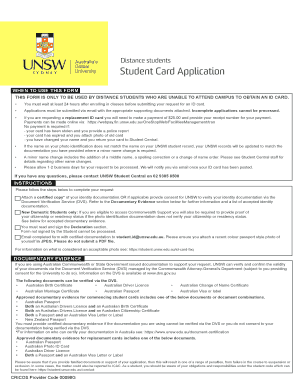
Unsw id card
The document outlines the application process for distance students at UNSW to obtain a student ID card. It specifies el ...

Texas affidavit lien
The document is an Affidavit of Lien for a mechanics' or materialman's lien in Texas, detailing the claimant's informati ...
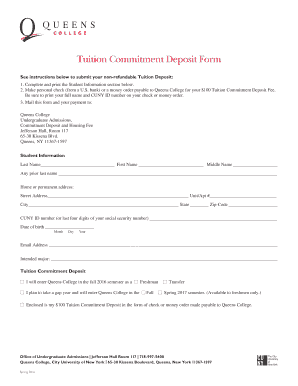
Tuition Commitment Deposit Form - qc cuny - qc cuny
The document is a Tuition Commitment Deposit Form for Queens College, outlining the steps to submit a non-refundable $10 ...

Dhmh 437 form
The document is a funding proposal and payment request form from the Department of Health and Mental Hygiene's Developme ...