






Definition & Meaning of the Tjn Ancient Map
The "tjn ancient map" refers to a specific representation of historical and geographical data, primarily concerning ancient civilizations. It serves as a critical tool for understanding cultural, social, and economic aspects of these societies. This type of map may outline ancient trade routes, significant geographical features, and settlements. By examining the tjn ancient map, researchers, historians, and educators can gain insights into the lifestyles, advancements, and interactions of ancient peoples.
The meaning of the tjn ancient map can be contextualized through various elements:
- Geographical Features: It often highlights rivers, mountains, and other terrain features that played critical roles in the development of civilizations.
- Cultural Significance: Understanding the distribution of ancient populations and their movements can shed light on cultural exchanges and conflicts.
- Historical Context: These maps are invaluable in situating events within a geographical framework, thereby aiding in the study of history.
How to Use the Tjn Ancient Map
Using the tjn ancient map effectively requires a systematic approach to extract relevant information. It can serve educational, research, or exploratory purposes. The following steps outline its practical application:
- Visual Analysis: Start by examining the map closely, noting major features such as landforms and nearby settlements.
- Identify Key Locations: Pinpoint important cities, trade routes, and geographical landmarks to understand their historical significance.
- Contextual Reference: Cross-reference the map with historical texts to provide context for the locations represented, enhancing overall comprehension.
- Engaging Activities: For educational purposes, create exercises like matching locations with historical events or individuals to reinforce learning.
Incorporating geography and history together, users can deepen their grasp of ancient civilizations through the tjn ancient map.
How to Obtain the Tjn Ancient Map
Acquiring the tjn ancient map can be done through various channels, depending on the intended use (educational, research, or personal interest). Here are some recommended avenues:
- Online Repositories: Many educational institutions and libraries provide free access to digitized versions of ancient maps. Sites focusing on historical cartography are particularly useful.
- Bookstores and Libraries: Scholarly books that delve into ancient civilizations frequently include high-quality reproductions of maps, which can be purchased or borrowed.
- Local Museums: Visiting museums with exhibits on ancient history often yields access to maps, either digitally or in printed form.
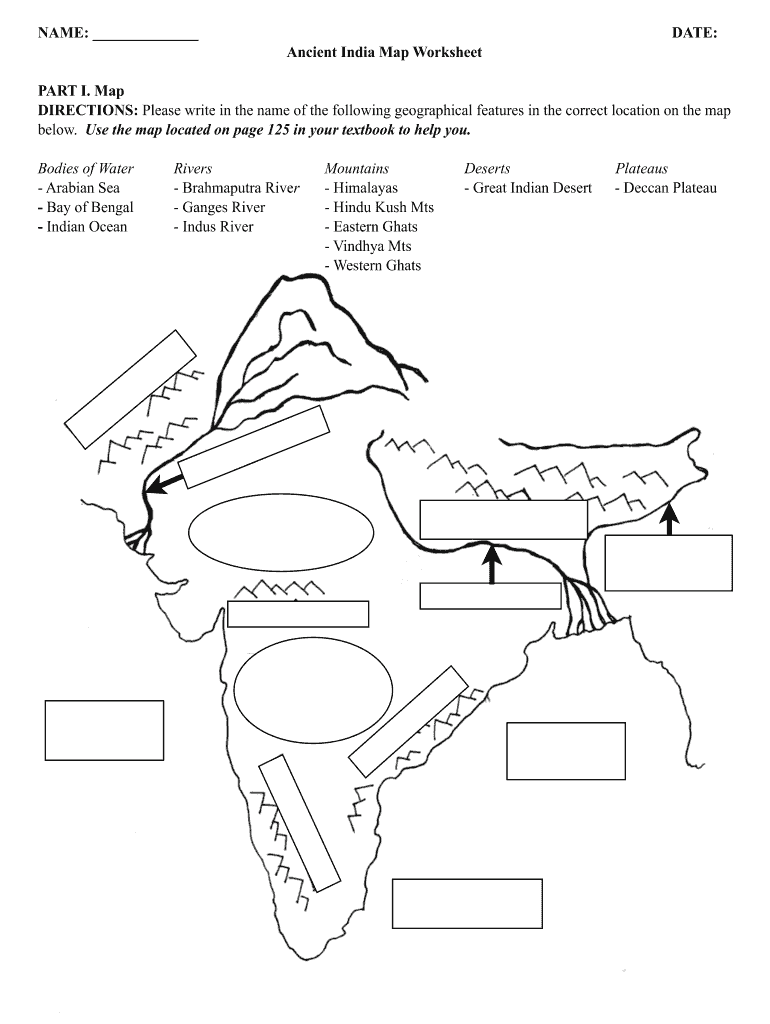
- Educational Platforms: Websites designed for educators may provide resources and worksheets featuring ancient maps, catering specifically to classroom settings.
Each of these methods can enhance one’s collection of historical resources.
Examples of Using the Tjn Ancient Map
Utilizing the tjn ancient map effectively can encompass a variety of practical examples across different settings:
- Classroom Education: Teachers can use the map for interactive lessons, allowing students to visualize ancient trade routes and discuss their implications on civilization development.
- Research Projects: Scholars studying specific historical events can reference the map to support their hypotheses, highlighting geographic influences on societal changes.
- Cultural Studies: Anthropologists may analyze settlements marked on the tjn ancient map to understand migration patterns and social structures within ancient communities.
By leveraging the tjn ancient map in these contexts, users can foster a deeper understanding of historical interconnections and geographical significance.
Key Elements of the Tjn Ancient Map
Understanding the key elements of the tjn ancient map is essential for effective analysis and application. These elements include:
- Scale and Legend: The map should have a clearly defined scale, allowing users to gauge distances. The legend decodes symbols indicating landmarks, cities, or trade routes.
- Time Period: It should specify the relevant ancient period to contextualize the information accurately. Different civilizations emerged at various times, and their contributions should be distinguished.
- Cultural Markers: Notable historical sites, battlefields, or diplomatic venues are essential for a comprehensive understanding of ancient interactions.
By recognizing these elements, users can better interpret the tjn ancient map within its intended historical narrative.