Wound Care Order Form 2026

Get Form
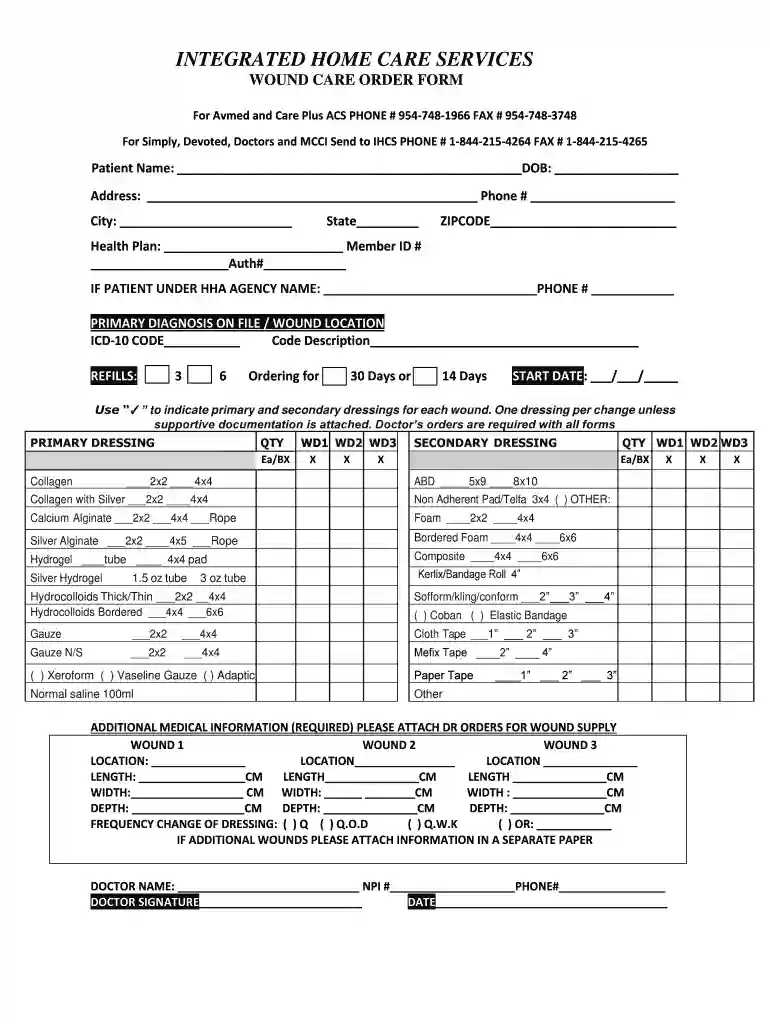
Wound Care Order Form Preview on Page 1

Here's how it works

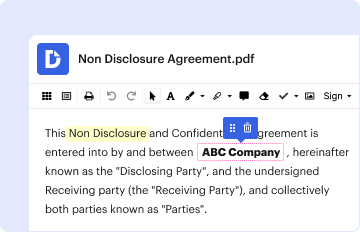
01. Edit your form online
Type text, add images, blackout confidential details, add comments, highlights and more.

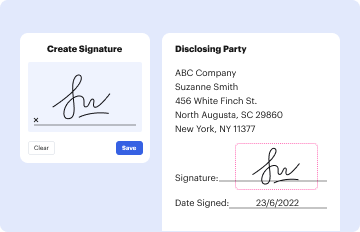
02. Sign it in a few clicks
Draw your signature, type it, upload its image, or use your mobile device as a signature pad.

03. Share your form with others
Send it via email, link, or fax. You can also download it, export it or print it out.

Definition and Meaning of the Wound Care Order Form

The Wound Care Order Form is a document used to prescribe and manage treatment for patients requiring wound care. This form is essential for healthcare providers to outline the specific care regimen, which may include details such as dressing types, frequency of changes, and any additional treatments necessary for the wound's healing process. It ensures that care provided is consistent with the physician's instructions and serves as a communication tool among healthcare professionals.

Importance in Healthcare

  • Standardization: Ensures that consistent care is provided across different healthcare settings.
  • Communication: Facilitates clear communication among doctors, nurses, and other healthcare workers involved in a patient's care.
  • Documentation: Provides a legal record of care instructions, which can be crucial for audits and insurance purposes.

How to Use the Wound Care Order Form

To effectively use the Wound Care Order Form, healthcare providers should follow a detailed process to ensure that all necessary information is captured accurately.

  1. Patient Identification: Begin by filling out the patient's full name, medical record number, and other identifying details to ensure the form correlates to the correct individual.

  2. Wound Assessment: Provide a thorough description of the wound, including size, location, and type. Include any specific diagnoses related to the wound.

  3. Care Instructions: Detail the wound care plan, specifying the type of dressings, frequency of changes, and additional treatments like debridement if necessary.

  4. Signatures: Obtain signatures from the prescribing physician and, if needed, validation from other healthcare team members to confirm the prescribed regimen.

Examples of Use

  • Hospital Setting: Nurses may refer to the form to administer wound care as prescribed during routine patient care.
  • Home Health Care: Home health aides can follow specific instructions from the form to care for wounds when a patient is discharged from a medical facility.

Steps to Complete the Wound Care Order Form

Completing the Wound Care Order Form involves a systematic approach to ensure all necessary components are addressed:

  1. Collect Patient Information: Verify the patient's personal and medical information before starting to fill out the form.

  2. Describe the Wound: Use medical terms to describe the wound’s characteristics, ensuring all critical details are noted.

  3. Outline Treatment Plan: Specify all medications, dressings, and precautions needed for effective wound healing.

  4. Obtain Approvals: Collect signatures from all required parties, verifying that the plan is clear and agreed upon.

Detailed Guidance

  • Avoiding Errors: Double-check all information for accuracy, especially dosages and treatment intervals.
  • Consultation: Engage with other healthcare providers if any part of the care is unclear, ensuring comprehensive and accurate instructions.

Key Elements of the Wound Care Order Form

Several critical elements ensure the form's effectiveness in patient care:

  • Patient Details: Includes all identifying information required for healthcare processes.
  • Wound Characteristics: Provides a standardized method of describing wound aspects for consistent care.
  • Prescribed Care Regime: Lists all medications and dietary instructions essential for wound healing.
  • Signatures: Confirms that all care instructions have been reviewed and approved by relevant professionals.

Examples and Considerations

  • Customized Care Instructions: In cases where standard care instructions are insufficient, customization provides an avenue to address unique patient needs.
  • Interdepartmental Coordination: Ensures that all departments involved in a patient’s care understand the wound management strategy.

Who Typically Uses the Wound Care Order Form

The Wound Care Order Form is primarily used by:

  • Physicians: Draft initial care plans and prescribe treatment for wound management.
  • Nurses and Caregivers: Implement the prescribed care plan, using the form as a guide for daily wound care activities.
  • Insurance Companies: Verify that prescribed treatments align with coverage requirements.
decoration image ratings of Dochub

Real-World Scenarios

  • Post-Surgical Monitoring: Used extensively for managing incisions and promoting healing after surgery.
  • Chronic Wound Management: Utilized in the case of conditions like ulcers and pressure sores, where long-term wound care is necessary.

Legal Use of the Wound Care Order Form

The Wound Care Order Form is a legal document in the United States, providing a record of prescribed treatments that may be necessary for compliance verification.

Legal Implications

  • Documentation: Acts as a formal record as protection in legal disputes involving patient care.
  • Compliance: Essential for ensuring healthcare providers adhere to state and federal regulations regarding patient treatments.

Safeguards

  • Correct Usage: Ensures all sections are completed accurately to prevent legal issues related to treatment lapses.
  • Review Process: Regular audits of completed forms as part of quality assurance in healthcare practices.

Important Terms Related to the Wound Care Order Form

Understanding the terminology used in the Wound Care Order Form is crucial for accurate and consistent care.

  • Debridement: A procedure to remove dead tissue, described on the form when necessary.
  • Dressings: Material applied to a wound to aid healing, detailed for type and application frequency.
  • Eschar: Scab or dry crust that forms over a wound, often referenced in wound assessments.

Usage Examples

  • Dressing Protocols: Specifying particular dressing types suitable for moist or dry wounds.
  • Eschar Management: Detailing steps for handling wounds where eschar is present, often requiring special care protocols.

Versions or Alternatives to the Wound Care Order Form

While the Wound Care Order Form is a standard across many healthcare settings, variations exist to suit different organizational needs.

Form Variants

  • Digital Forms: Some institutions may use digital variants to streamline data entry and form management.
  • Custom Forms: Certain healthcare organizations develop custom forms to address specific operational needs.

Technology Integration

  • EHR Compatibility: Integration with electronic health record systems to allow seamless updates and data sharing across interdisciplinary teams.
  • Software Tools: Utilizing document management technologies like DocHub for real-time collaboration on form details.

Examples of Using the Wound Care Order Form

Various scenarios highlight the utility and diverse applications of the Wound Care Order Form in clinical settings.

Practical Applications

  • Emergency Care Situations: Implementation of the form in trauma units for immediate and ongoing wound management.
  • Long-Term Care Facilitates: Utilization in establishments like nursing homes, where ongoing wound care is a significant component of daily care routines.

Case Studies

  • Hospital-Acquired Conditions: Use in assessing and managing pressure ulcers, aiming to minimize the risk of hospital-acquired conditions.
  • Multidisciplinary Care Teams: Collaboration across teams to ensure comprehensive patient management and care strategy execution.

See more Wound Care Order Form versions

We've got more versions of the Wound Care Order Form form. Select the right Wound Care Order Form version from the list and start editing it straight away!
Versions Form popularity Fillable & printable
2024 4.4 Satisfied (51 Votes)
2023 4.5 Satisfied (52 Votes)
2022 4.3 Satisfied (41 Votes)
2022 4.9 Satisfied (53 Votes)
2021 4.1 Satisfied (35 Votes)
2021 4.2 Satisfied (35 Votes)
2020 4.5 Satisfied (60 Votes)
2019 4.3 Satisfied (38 Votes)
2019 4.8 Satisfied (128 Votes)
2017 4.4 Satisfied (54 Votes)
2016 4.8 Satisfied (257 Votes)
2015 4 Satisfied (43 Votes)
2015 4.9 Satisfied (56 Votes)
2014 4 Satisfied (34 Votes)
be ready to get more

Complete this form in 5 minutes or less

Get form

Security and compliance

At DocHub, your data security is our priority. We follow HIPAA, SOC2, GDPR, and other standards, so you can work on your documents with confidence.

Learn more
ccpa2
pci-dss
gdpr-compliance
hipaa
soc-compliance
be ready to get more

Complete this form in 5 minutes or less

Get form