

Improve your template management with US Legal Documents

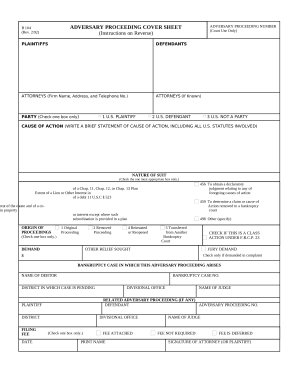
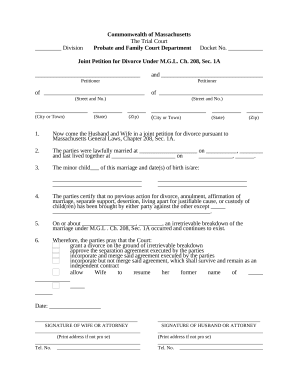
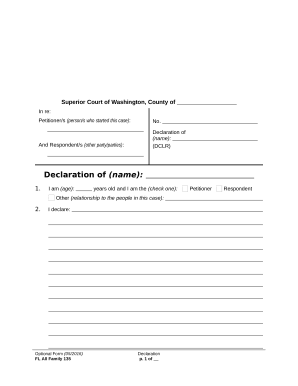
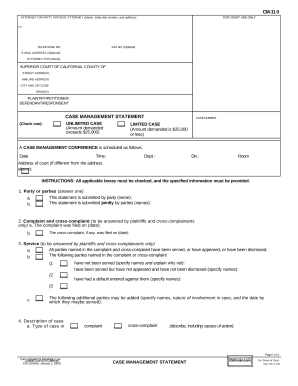
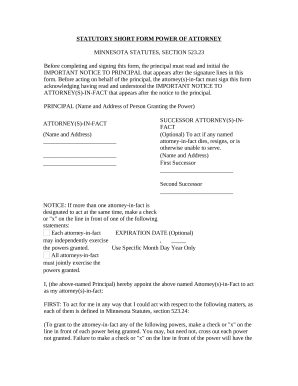
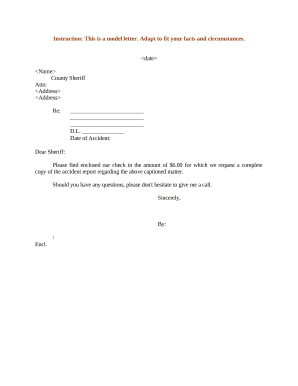
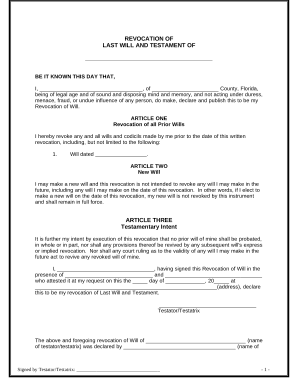
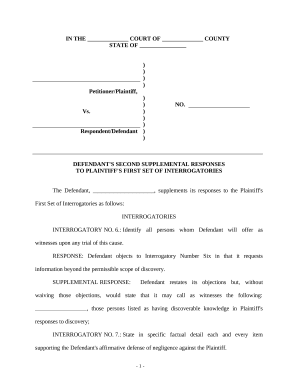
Your workflows always benefit when you can easily obtain all the forms and files you will need at your fingertips. DocHub offers a huge selection of templates to ease your day-to-day pains. Get a hold of US Legal Documents category and quickly browse for your form.

Begin working with US Legal Documents in a few clicks:

  1. Access US Legal Documents and get the document you need.
  2. Click on Get Form to open it in our online editor.
  3. Begin adjusting your form: add fillable fields, highlight paragraphs, or blackout sensitive information.
  4. The app saves your modifications automatically, and once you are all set, you are able to download or share your form with other contributors.

Enjoy seamless record management with DocHub. Check out our US Legal Documents collection and get your form right now!

Video Guide on US Legal Documents management

video background

Commonly Asked Questions about US Legal Documents

4 Documents Suze Orman Says You Need Will. A will is a legal document that, among other things, outlines where you want your assets to go after you die. Living Revocable Trust. Durable Power of Attorney for Healthcare. Advance Directive.
In an emergency, its crucial to have a few essential legal estate documents readily accessible, such as a Last Will and Testament, Advance Healthcare Directive, Durable Power of Attorney (aka Financial Power of Attorney), and Living Will.
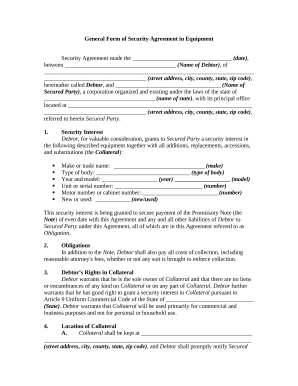
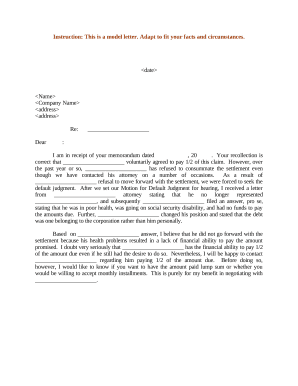
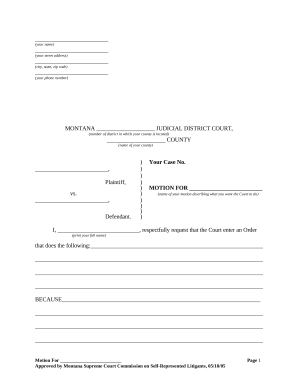
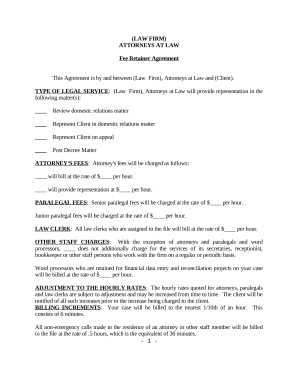
Examples of these documents include birth certificates, contracts, deeds, leases, titles, wills, etc. During a trial or in preparation of a trial, documents such as a complaint or a summons can also be referred to as legal papers.
Some examples include individual contract clauses, licensing agreements, complaints, and interrogatories. Sample documents can be found in a number of places including law firm collections or knowledge management systems, and paid databases such as Lexis and Westlaw.
In short, a legal document by definition is one that outlines an agreement between two or more parties that has been signed by mutual assent and in all other respects can be relied upon in court. However, there are many other forms of documents that people will refer to as legal.
Although a document must be signed by each party to be considered legally binding, the mere presence of signatures does not guarantee that an agreement is enforceable in court. To be considered a legally binding contract or document, three critical elements must also be present: Subject, Consideration, and Capacity.
Legal documents, such as contracts and agreements, are mutual promises between two or more parties. They can be seen everywhere from business deals and employee contracts to residential leases and settlement agreements.

