




Definition & Meaning
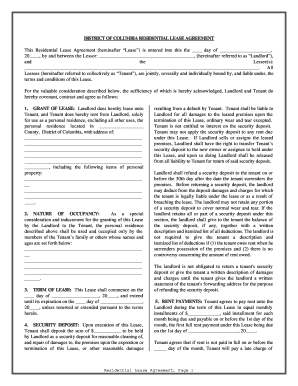
The Maine Residential Lease Agreement is a legally binding contract between a landlord and tenant outlining the terms and conditions governing the use of a rental property. This agreement specifies the rights and responsibilities of each party and is utilized primarily in residential settings across the state of Maine. It serves as a comprehensive framework that includes details about rent payment, security deposits, maintenance obligations, and eviction processes.
How to Use the Maine Residential Lease Agreement
To successfully use the Maine Residential Lease Agreement, follow these steps:
-
Review Agreement Terms:
- Examine all the clauses to ensure clarity on rent amount, payment schedule, and lease duration.
- Pay attention to specifics about utilities and maintenance responsibilities.
-
Customize to Fit Needs:
- Modify any fillable sections such as tenant/landlord names, payment terms, or other customized requirements.
- Ensure any additional agreements or arrangements are documented clearly.
-
Get Agreement Signed:
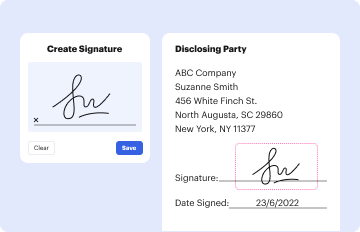
- Obtain signatures from both landlord and tenant, adhering to electronic signature laws if signing online.
- Ensure the document is fully executed before the lease commencement date.
Key Elements of the Maine Residential Lease Agreement
The agreement comprises several critical components that ensure a well-structured leasing relationship:
-
Parties Involved:
- Clearly identify both the landlord and tenant, including their full names and contact information.
-
Property Description:
- Include a detailed description of the rental property, specific address, and any pertinent details regarding its use.
-
Term and Renewal:
- State the lease term length and conditions under which it may be renewed or terminated.
-
Rent Details:
- Specify the monthly rent amount, due date, accepted payment methods, and any associated penalties for late payments.
-
Security Deposit:
- Outline the amount, conditions for refund, and how it should be handled according to Maine state laws.
Important Terms Related to Maine Residential Lease Agreement
Understanding the following terms is crucial for both parties involved in the lease:
- Premises: Refers to the leased property and any included facilities or grounds.
- Default: Conditions under which a party fails to comply with agreement terms, leading to potential penalties or eviction.
- Lease Expiration: The date upon which the lease agreement officially ends unless renewed or extended by mutual agreement.
- Maintenance Obligations: Differentiates responsibilities between maintaining major fixtures and minor tenant-required upkeep.
State-Specific Rules for the Maine Residential Lease Agreement
Maine imposes particular rules that must be adhered to within lease agreements:
-
Security Deposit Limitation:
- The maximum security deposit should not exceed the equivalent of two months' rent.
-
Landlord Access for Repairs:
- Landlords must provide appropriate notice, typically 24 hours, before entering the property for repairs or inspections.
-
Eviction Procedures:
- Maine law prescribes specific eviction processes, requiring landlords to follow due timelines and legal procedures before eviction.
Steps to Complete the Maine Residential Lease Agreement
The completion process involves several precise actions:
-
Gather Necessary Information:
- Collect all required personal details of landlord and tenant, property address, and rent terms.
-
Fill Out the Form:
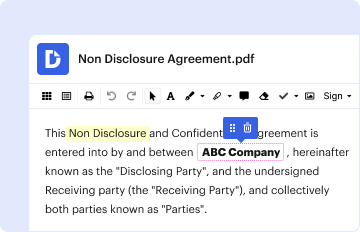
- Complete all sections of the agreement with accurate information using a fillable PDF tool or document editor.
-
Review and Amend Draft:
- Both parties should carefully review the completed form, making any necessary amendments before finalizing.
-
Executing the Agreement:
- Both landlord and tenant must sign and date the document. Electronic signatures are valid under the ESIGN Act.
Legal Use of the Maine Residential Lease Agreement
The Maine Residential Lease Agreement must comply with state housing laws and regulations:
-
Discrimination Laws:
- Ensure compliance with federal and state anti-discrimination laws throughout the lease term.
-
Disclosure Requirements:
- Provide tenants with required disclosures such as lead paint warnings for properties built before 1978.
-
Sanitation and Habitability:
- Landlords must guarantee that rented premises meet basic habitability standards with essential services like heat and water.
Who Typically Uses the Maine Residential Lease Agreement
This form is widely utilized by:
-
Landlords:
- Both private property owners and commercial landlords looking to lease residential properties.
-
Property Management Companies:
- Entities that handle multiple leases on behalf of investment property owners.
-
Tenants:
- Individuals or families seeking to secure a residence under legally documented terms.

Examples of Using the Maine Residential Lease Agreement
Real-world application scenarios include:
-
Short-term Rentals:
- Engaging this lease for short-term stays, ensuring clear end dates and renewal processes are incorporated.
-
Family Rentals:
- Lease agreements among family members can utilize this format while adhering to familial exceptions stipulated by law.
-
Room Rentals:
- Suitably adapted for renting out rooms within a larger shared residence.
Completing and implementing a Maine Residential Lease Agreement requires a clear understanding of these components, ensuring a robust and legally compliant lease arrangement.