Definition and Meaning
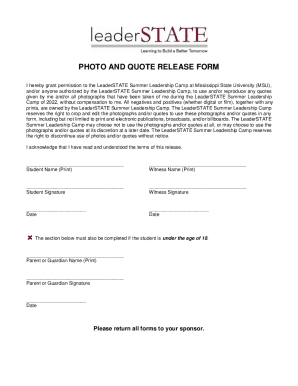
Oral history consent forms, such as the "Oral History Consent Form I GIVE Initials - Evan Friss," are crucial legal documents used in the process of conducting oral history interviews. These forms establish the terms under which an interviewee agrees to participate, ensuring their understanding and consent to the recording, use, and storage of their oral testimony. The primary purpose is to safeguard both the interviewer’s and the interviewee’s rights, clarify the intended use of the interviews, and provide a clear framework for accessing and sharing the collected oral histories.
How to Use the Oral History Consent Form
Utilizing the "Oral History Consent Form I GIVE Initials - Evan Friss" requires several key steps to ensure thorough understanding and compliance by all parties involved:
-
Preparation: Before the interview, review the consent form carefully with the participant. Explain its purpose, the content, and what they are consenting to by signing it.
-
Discussion: Engage in an open dialogue with the participant about any questions or concerns they might have. Clarify details such as the scope of the interview, storage, and potential public access to recordings or transcripts.
-
Amendments: Allow for any necessary revisions or conditions the participant may request to feel comfortable with the agreed terms.
How to Obtain the Oral History Consent Form
To acquire the "Oral History Consent Form I GIVE Initials - Evan Friss," one should:
- Access platforms like DocHub, which conveniently offer document editing and creation tools. Forms can typically be imported from templates or built from scratch, ensuring they meet personalized requirements.
- Collaborate with institutional or organizational partners to source templates tailored to specific projects.
Steps to Complete the Oral History Consent Form
Completing the consent form involves:
-
Filling Participant Details: Record personal information, including the participant’s name, contact information, and date of the interview.
-
Reviewing Consent Statements: Participants should review each consent point, agreeing to conditions such as recording, publication, and archiving of the interview.
-
Initials and Signatures: Participants must initial next to each consent statement and then provide a signature to validate their agreement.
-
Interviewer Information: The interviewer must also provide their details, confirming that they have explained the form’s terms fully.
Key Elements of the Oral History Consent Form
The form includes crucial elements such as:
-
Participant Agreement: Outlining consent for audio/video recording, transcription, and archiving of interviews.
-
Usage Rights: Detailing how collected materials can be used, shared, or published.
-
Privacy and Confidentiality: Providing options to maintain anonymity or restrict access to sensitive portions of the interview.
Legal Use of the Oral History Consent Form
This form embodies a legally binding agreement within the United States context:
-
Consent Validity: Ensures the participant’s understanding and agreement is informed and voluntary.
-
Rights Protection: Protects the rights of interviewees by expressly stating how their narratives will be handled, reducing future disputes.
-
Compliance with Regulations: Aligns with legal standards for ethical research practices, maintaining integrity in the collection and preservation of oral histories.
Important Terms Related to the Consent Form
Awareness of certain terminology is essential:
-
Oral History: A method of gathering, preserving, and interpreting the voices and memories of people, communities, and participants in past events.
-
Consent: Voluntary agreement of the participant after understanding the implications of the interview process.
-
Archiving: Long-term storage of the interview materials for future reference or study.
Why Use the Oral History Consent Form
Using a standardized consent form elevates research integrity:
-
Ethical Documentation: Provides ethical documentation practices by securing participant consent.
-
Clarity and Transparency: Ensures clarity between parties, establishing clear expectations of rights and responsibilities.
-
Protection of Intellectual Property: Guards against unauthorized use of participants' testimonies, preserving the authenticity of oral histories.