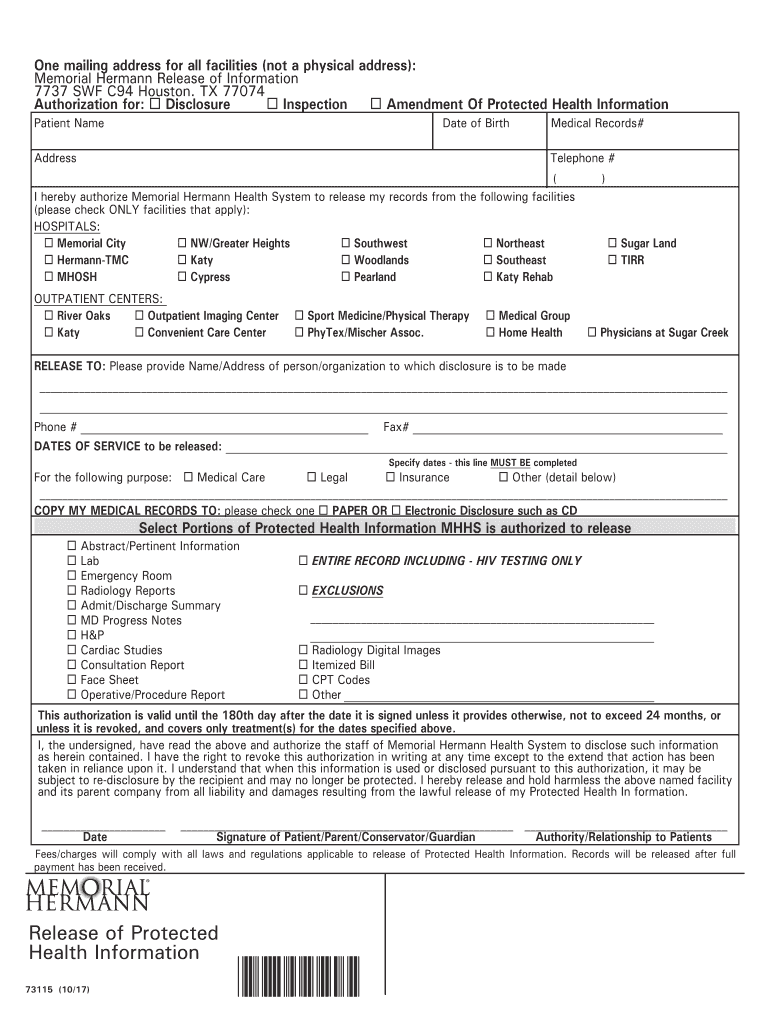







Understanding Memorial Hermann Discharge Papers
Memorial Hermann discharge papers are essential documents provided to patients upon their release from the hospital. These papers serve various important functions, including providing a summary of the patient's hospital stay, treatment received, and instructions for follow-up care. The discharge papers are vital for ensuring continuity of care and are often necessary for resuming regular activities, including returning to work or school.
Key Components of Discharge Papers
Discharge papers typically include several critical sections:
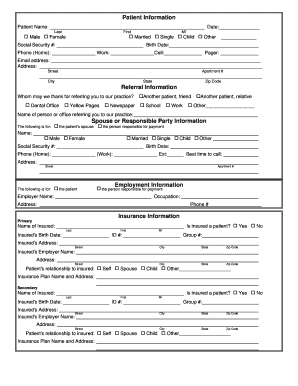
- Patient Information: This section contains identifying details about the patient, such as name, date of birth, and hospital admission and discharge dates.
- Summary of Care: An overview of the treatments and procedures the patient underwent during their hospital stay. This may include medications prescribed, surgeries performed, and any other relevant medical interventions.
- Follow-Up Instructions: Specific guidelines for post-discharge care, including medication regimens, follow-up appointments with healthcare providers, and signs or symptoms that should prompt the patient to seek further medical attention.
- Patient Rights: Information regarding the patient's rights concerning their medical records and the discharge process, ensuring they are informed about their health care choices.
Importance of Accurate Discharge Information
Accurate discharge paperwork is crucial for several reasons:
- Continuity of Care: Ensures that healthcare providers have the necessary information about the patient's treatment and can coordinate ongoing care effectively.
- Legal Protection: Serves as a legal record that a patient was provided with essential information about their treatment, which can help protect healthcare providers from liability claims.
- Insurance Claims: Required for processing insurance claims related to the hospitalization and future medical services. These documents can substantiate the need for further treatment or rehabilitation.
How to Obtain Your Discharge Papers
Patients can obtain their discharge papers through the following methods:
- Request from Hospital Staff: Upon discharge, patients can request a copy from the nursing staff or the administrative office before leaving the hospital.
- Patient Portal Access: Many healthcare systems offer an online patient portal where individuals can retrieve their medical records and discharge paperwork electronically.
- Written Request: If papers are not immediately available, patients can write a formal request to the hospital's medical records department for a copy of their discharge documents.
Information Required for Discharge Papers
To ensure the accuracy and completeness of discharge papers, the following information is often required:
- Patient Identification: Full name and date of birth help verify the patient's identity.
- Admission and Discharge Dates: Specific dates are crucial for documenting the length of hospital stay and for insurance purposes.
- Details of Treatment: Comprehensive accounts of any procedures, surgeries, or significant treatments received during the hospital stay.
- Follow-up Details: Appointments, any prescribed follow-up tests, referrals to specialists, and medication prescriptions should be clearly documented.
Common Queries About Discharge Papers
Patients frequently have questions regarding their discharge papers, such as:
- What do hospital discharge papers look like? Discharge papers are typically formal documents printed on hospital letterhead, containing structured sections for easy reading.
- Are discharge papers the same as release forms? While similar, discharge papers focus on medical care details, while release forms may cover broader consent and privacy issues.
- Can I use discharge papers for work? Yes, many employers require proof of hospitalization or medical treatment, which can be provided through discharge paperwork.
Variations and Specific Considerations
There may be variances in discharge paperwork depending on the type of care received, such as:
- Emergency Room Discharge Papers: These documents summarize care delivered in an urgent situation, often highlighting immediate follow-up needs.
- Inpatient vs. Outpatient Discharge: The documentation might differ slightly based on whether a patient was admitted for inpatient care or treated and released on an outpatient basis.
Best Practices for Handling Discharge Papers
To manage discharge papers effectively, consider the following practices:
- Review Thoroughly: Patients should read through their discharge papers carefully to understand their follow-up care and any prescribed medications.
- Store Securely: Keep copies of discharge papers in a safe place, easily accessible in case future medical treatment requires reference to prior care.
- Communicate with Healthcare Providers: Ensure any questions regarding the paperwork or medical instructions are addressed before leaving the hospital.
In summary, understanding and effectively managing memorial hermann discharge papers is crucial for patients, ensuring they have all necessary information for a smooth transition from hospital to home.