
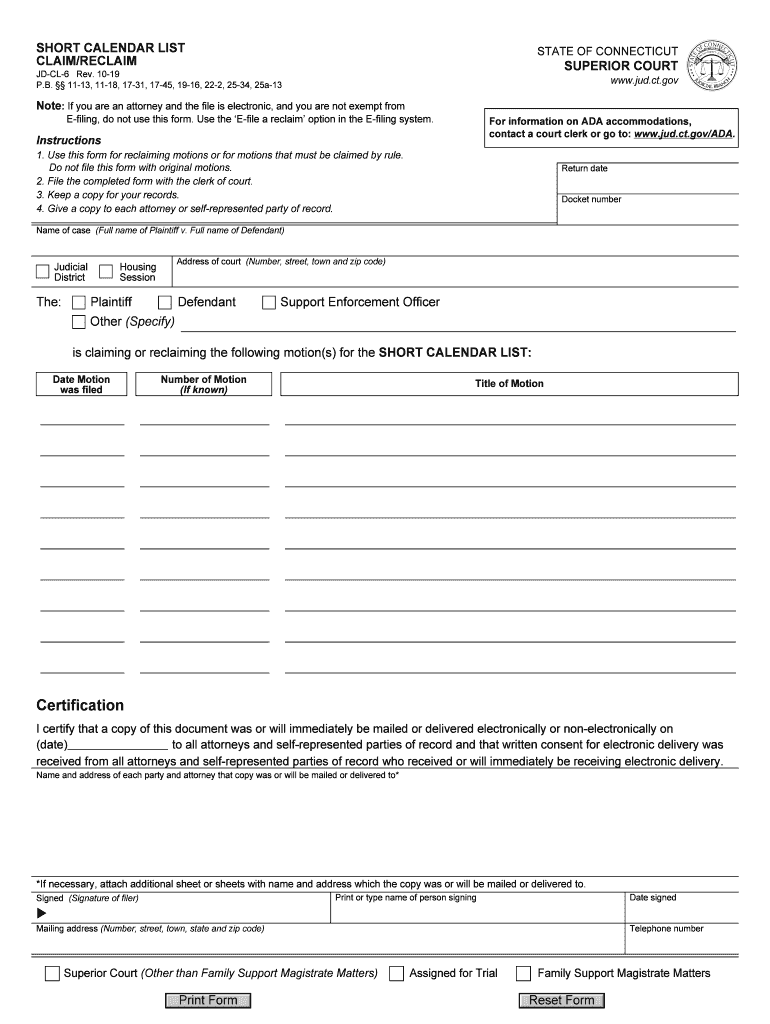




Here's how it works

01. Edit your short calendar ct online
Type text, add images, blackout confidential details, add comments, highlights and more.

02. Sign it in a few clicks
Draw your signature, type it, upload its image, or use your mobile device as a signature pad.

03. Share your form with others
Send court calendar docket via email, link, or fax. You can also download it, export it or print it out.
How to use or fill out jd cl 6 with our platform

- Click ‘Get Form’ to open the jd cl 6 in the editor.
- Begin by entering the return date and docket number at the top of the form. This information is crucial for tracking your motion.
- Fill in the name of the case, including both the full name of the Plaintiff and Defendant. Ensure accuracy to avoid any processing delays.
- Specify the judicial district and address of the court, including number, street, town, and zip code. This helps direct your filing correctly.
- Indicate whether you are claiming or reclaiming a motion by checking the appropriate box and providing details such as date filed, number of motion (if known), and title of motion.
- Complete the certification section by confirming that copies have been sent to all relevant parties. Include their names and addresses as required.
- Finally, sign and date the form before submitting it to ensure it is valid. Keep a copy for your records.
Start using our platform today for free to streamline your document editing and submission process!
Fill out jd cl 6 online
It's free
Got questions?
We have answers to the most popular questions from our customers. If you can't find an answer to your question, please contact us.
Contact us
What is a reclaim in court?
The act of formally requesting the return of something based on lawful ownership or entitlement.
What if a judge takes too long to rule?
You can talk to the chief judge in the division at the courthouse to complain about the judge and his delay. However, you will need to tread lightly because you do not want to make the judge angry so he rules against you. You can also file a motion for a status conference with the judge.
What is a CT short calendar?
E-Services Support Line: (866) 765- 4452. Eservices@jud.ct.gov. What is a short calendar? The short calendar is a list of cases with motions or pleadings that require action by a judge. The motions or pleadings are usually filed by you or by another party.
What if a judge does not respond to a motion?
If the judge ignores your calls and refuses to set a date, you file a written objection so the record is clear that your motion wasnt heard.
How long does a judge have to rule on a motion in CT?
At the hearing, the judge or magistrate will hear the arguments for and against the motion. He or she may issue a ruling or order at that time from the bench, or he or she may issue a written ruling or order within 120 days following the hearing.
Security and compliance
At DocHub, your data security is our priority. We follow HIPAA, SOC2, GDPR, and other standards, so you can work on your documents with confidence.
Learn more


Related forms
Tif 1 form tanzania
The document is an application form for the first grant or renewal of residence permits in Tanzania, categorized into Cl ...
ENROLMENT FORM - promed health nz - promed health
The document is an enrolment form for Promed Doctors, detailing personal information required for patient registration, ...
R Renewal
The document is a mail-in application form for renewing or obtaining a duplicate Missouri driver license, specifically f ...
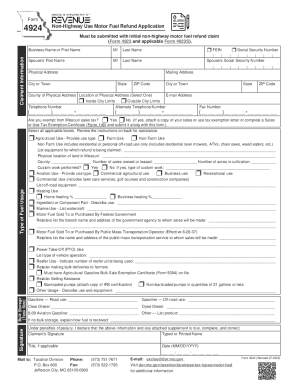
Form 4923S D - Statement of Missouri Fuel Tax Paid for Non
The document is a Non-Highway Use Motor Fuel Refund Application (Form 4924) for Missouri, which requires detailed inform ...
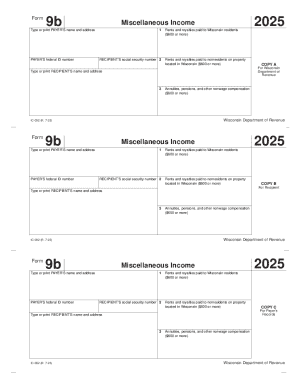
Fillable Online 2025 IC-092 Form 9b Miscellaneous Income Fax
The document outlines the requirements for filing Wisconsin Form 9b for reporting miscellaneous income, including rents, ...
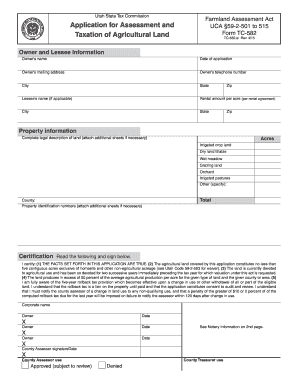
Application for Assessment and
The document is an application form (TC-582) for the assessment and taxation of agricultural land in Utah, governed by t ...
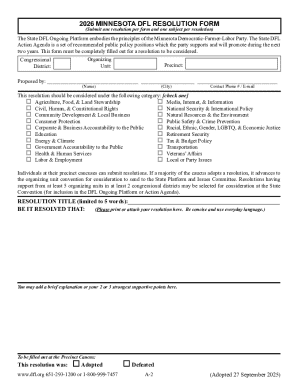
2026 MINNESOTA DFL RESOLUTION FORM
The document is a resolution form for the Minnesota Democratic-Farmer-Labor Party (DFL) that allows individuals to submi ...

Cooking-Merit-Badge-Worksheet
The Cooking Merit Badge Workbook is a guide for Scouts to help them prepare for their merit badge counseling sessions. I ...
People also ask
How long does a judge have to rule on a motion?
As long as it takes. Best practice is for rulings to be issued within 60 days of the date when the motion becomes decisional, but a typical federal trial judge has about 500600 cases on their active docket at any given time, and backlogs are common.