






Definition & Meaning
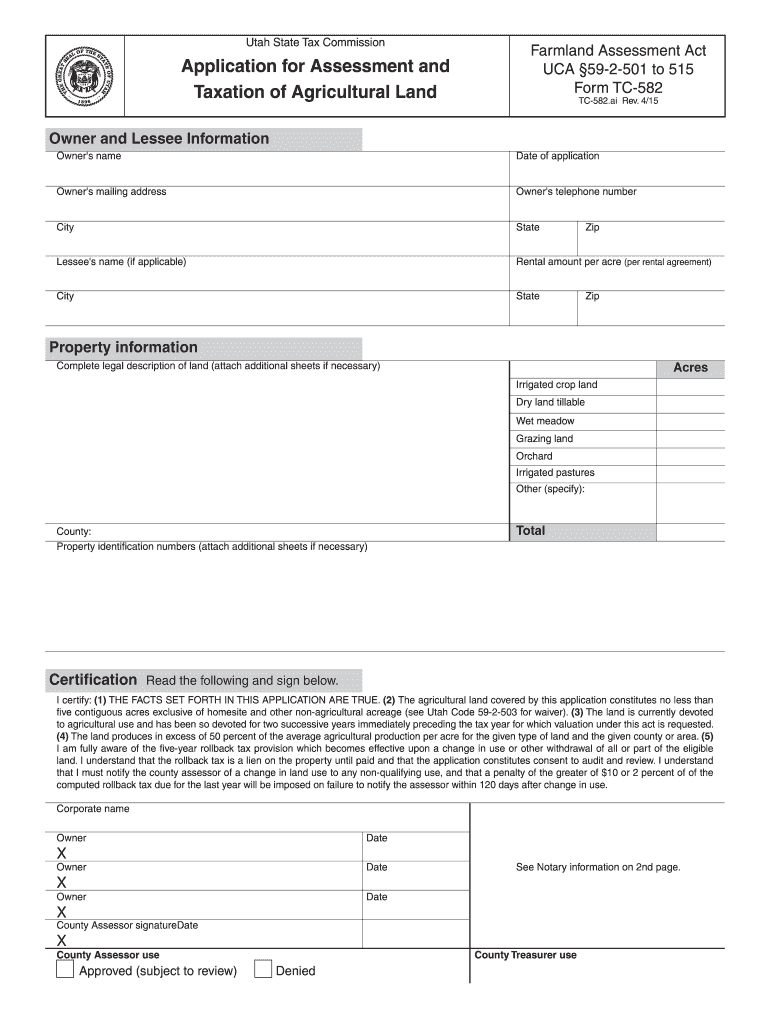
The "Application for Assessment and" serves as a critical form within various domains, particularly in real estate and taxation, where it facilitates the evaluation of property or income to determine its value for tax purposes. This form is essential for ensuring that properties or assets are correctly assessed, aligning with legal and financial requirements. The meaning of this form can vary depending on its context, whether in agriculture, personal property, or business assets. In the context of agricultural land, for example, the application aids in allowing eligible lands to be assessed at a reduced rate under specific legislation, like the Farmland Assessment Act.
How to Use the Application for Assessment and
Using the "Application for Assessment and" involves a systematic approach to accurately complete and submit the form. Users must gather necessary documents, understand the relevant instructions, and fill out all sections meticulously to avoid errors. For example, when assessing agricultural land, applicants need to provide detailed information about the property, including its size, use, and any changes in its utilization over time. It's crucial to fill out the form correctly to ensure that the assessment reflects the actual value of the property, ultimately affecting tax liabilities.
- Ensure all personal and property details are accurate.
- Declare any changes in land use or property conditions.
- Review legal definitions and eligibility criteria before submission.
Steps to Complete the Application for Assessment and
-
Gather Preliminary Information: Before beginning the form, collect all required details and documents, such as legal descriptions of the property, past assessments, and any relevant identification numbers.
-
Fill Out Personal Information: Accurately complete sections regarding the applicant’s contact information, ensuring that there are no discrepancies.
-
Provide Property or Asset Details: Clearly describe the property or assets under assessment, including specific use cases, current conditions, and historical context.
-
Review for Accuracy: Double-check all information for accuracy and completeness, correcting any errors or omissions before proceeding.
-
Submission: Submit the application through the designated method, which may include mailing, online submission, or delivering in person, depending on jurisdictional requirements.
-
Documentation: Retain copies of all submitted forms and supporting documents for future reference.
Legal Use of the Application for Assessment and
The legal use of the "Application for Assessment and" is underscored by adherence to local and national laws governing assessments. This form is utilized to align properties with their legal tax assessments, ensuring compliance with statutory regulations. For instance, the completion of this form may be legally required annually to maintain a property’s eligibility for certain tax benefits or exemptions. Legal use also necessitates truthful and accurate representation of all requested information, with possible legal repercussions for fraudulent or misleading entries.
State-Specific Rules for the Application for Assessment and
Each U.S. state may have unique rules and guidelines regarding the application for assessing properties or assets, reflecting local tax laws and property regulations. These differences can affect:
- Eligibility Criteria: State laws determine which properties qualify for specific assessments (e.g., agricultural land may have productivity requirements).
- Documentation Requirements: Some states might need additional documents, such as a recent appraisal or an affidavit of use.
- Assessment Rates: The valuation and taxation methods can vary, impacting how properties are assessed under state legislation.
Applicants should consult local government websites or legal experts to understand these variations fully and ensure compliance with state-specific requirements.
Key Elements of the Application for Assessment and
The form includes several critical elements that must be thoroughly completed to ensure a successful assessment:
- Owner Information: Details about the property or asset owner, including contact information.
- Property Details: Comprehensive descriptions of the property, including legal descriptions, usage types, and any historical utilization.
- Certification: A declaration that all information provided is accurate, often notarized to validate authenticity.
Each section plays a vital role in ensuring the application is processed without delays.
Required Documents
Submitting an "Application for Assessment and" requires several supporting documents to verify information and facilitate the assessment process. These typically include:
- Property Deeds: To confirm ownership and legal descriptions.
- Maps or Site Plans: Especially for larger properties like agricultural land.
- Proof of Use: Such as sales receipts or production records, demonstrating ongoing and historical use.
- Past Assessments: Previous assessment documents can provide context and benchmarks.
Gathering and organizing these documents ahead of time can streamline the application process.
Penalties for Non-Compliance
Non-compliance with regulations related to the "Application for Assessment and" can lead to penalties, which might include financial fines or tax surcharges. If a property owner fails to notify the assessor of changes in land use, there might be a rollback tax, which essentially recoups financial benefits previously accorded based on the old use. In more severe cases, misrepresentation on the application could lead to legal action, increased tax assessments, or future ineligibility for certain tax incentives.
- Rollback Taxes: Imposed when the land ceases to meet eligibility criteria.
- Fines: For providing false information or failing to submit necessary documents.
- Revocation: Loss of tax benefits if the assessment application is found to be incorrect.
Understanding these penalties can help applicants appreciate the importance of accuracy and compliance.