
Real Estate Documents - Page 3

Create a new Real Estate Document
Quitclaim deed
Recommendation letter
Condominium association agreement

With title
Termination notice
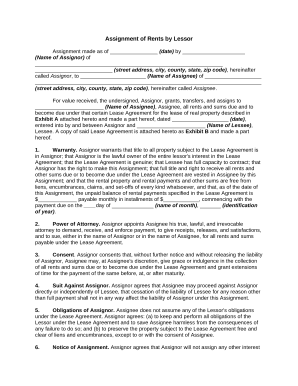
Assignment rents

Natural hazard disclosure
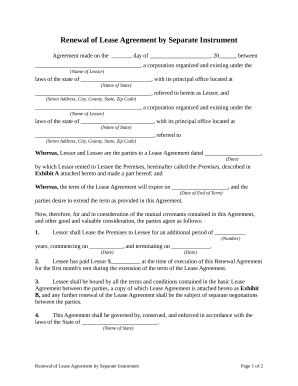
Renewal lease agreement
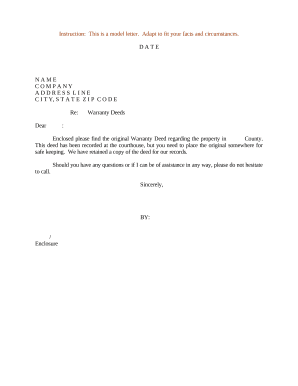
Recordation
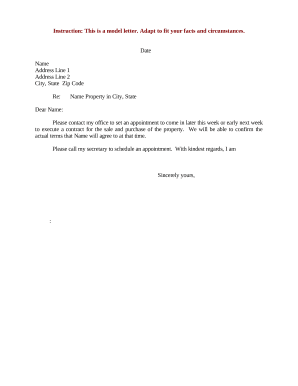
Execute contract
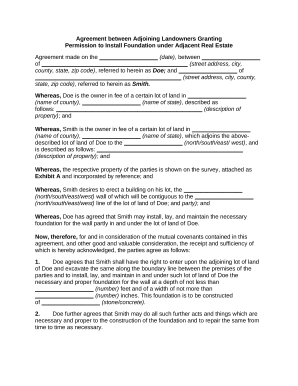
Agreement real estate
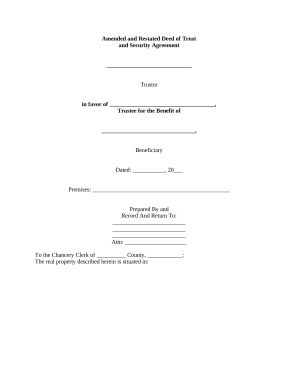
Deed trust agreement
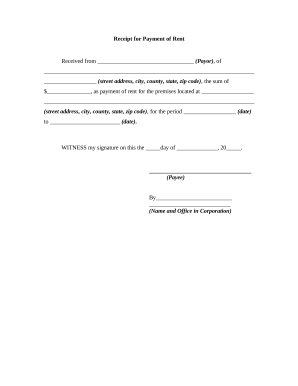
Receipt rent form

Letter notice with
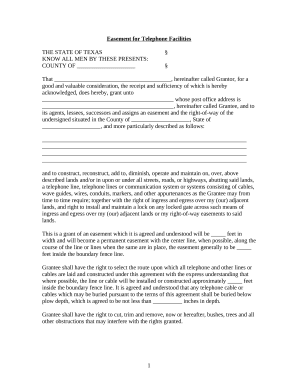
Texas easement form

Texas property deed
Limited liability company
Rhode island deed

Letter from Landlord to Tenant as Notice to remove unauthorized inhabitants - North Carolina
Michigan affidavit
Well disclosure minnesota
Missouri seller disclosure

Revocation deed
Commercial Lease Assignment from Tenant to New Tenant - Missouri
North dakota mineral deed
New hampshire deed
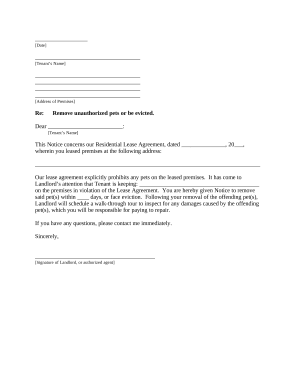
Letter tenant notice

Deed with

Letter tenant notice
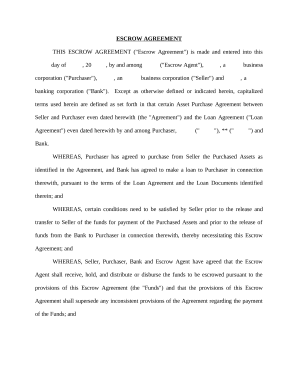
Escrow Agreement involving Bank Loan - Mississippi
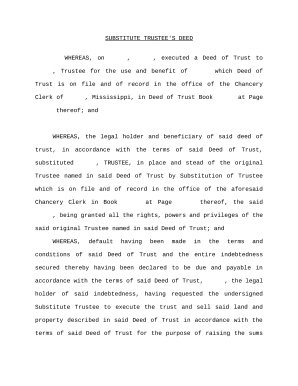
Substitute deed
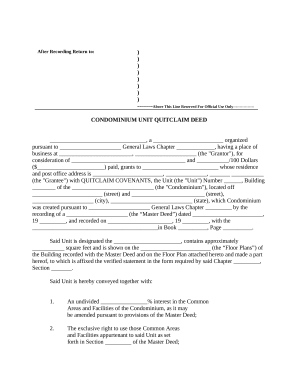
Condominium
Warranty Deed from Husband and Wife to a Trust - Maryland
Maryland satisfaction certificate
Get and handle Real Estate Documents online
Speed up your document managing using our Real Estate Documents library with ready-made templates that suit your needs. Access the form template, alter it, fill it, and share it with your contributors without breaking a sweat. Begin working more efficiently with your documents.
The best way to use our Real Estate Documents:
- Open our Real Estate Documents and search for the form you need.
- Preview your form to ensure it’s what you want, and click Get Form to begin working on it.
- Edit, add new text, or highlight important information with DocHub tools.
- Complete your form and save the adjustments.
- Download or share your form template with other people.
Examine all of the possibilities for your online file administration with our Real Estate Documents. Get a free free DocHub account today!
Video Guide on Real Estate Documents management

Commonly Asked Questions about Real Estate Documents
What documents do you get when you buy a house?
Youll also want to keep the original documents in a safe place, as you might need to provide them when you later sell the house, have to make an insurance claim, or are in another situation where you need to prove ownership. The most important originals are the purchase agreement, deed, and deed of trust or mortgage.
What are the two most common documents used in real estate financing?
A real estate sale involving financing typically contains at least three main documents; the loan agreement, a promissory note, and a mortgage instrument or deed of trust.
Overview What are real estate documents?
Related Definitions Real Estate Documents means, collectively, all Mortgages, all environmental indemnity agreements, and all other documents, instruments, agreements and certificates executed and delivered by any Loan Party to the Administrative Agent and the Lenders in connection with the foregoing. Real Estate Documents Definition: 139 Samples - Law Insider lawinsider.com dictionary real-estate-doc lawinsider.com dictionary real-estate-doc
What are the three most important documents in any sale of property?
Youll need a variety of documents in order to sell your home. Some of the most important include your mortgage loan documentation, mandatory disclosures and the deed.
What is the most important document in a real estate transaction?
The deed includes the name of the buyer and seller and a detailed description of the property. Most importantly, the deed must contain proper legal language that conveys the transfer of property.
Which is a docHub rule of real estate transactions?
The common law has for decades imposed duties on sellers of real estate, particularly residential real estate such as homes, condominiums, etc., to disclose to the buyer any material facts known to the seller affecting the value or desirability of the real estate being sold.
Which document is the most important at closing?
The most important originals are the purchase agreement, deed, and deed of trust or mortgage. In the event originals are destroyed, you might be able to get certified copies of these documents from the lender or closing company, but you dont want to rely on others recordkeeping systems unless you have to.
Related Templates

2023 PA Corporate Net Income Tax Declaration for a State e-file Report (PA-8453 C) PA Department of
2023 PA Corporate Net Income Tax Declaration for a State e-file Report (PA-8453 C) PA Department of
The document provides instructions for completing the PA-8453 C form, which is the Pennsylvania Corporate Net Income Tax ...

WASHOE COUNTY CODE - washoecounty
The document is a general index of the Washoe County Code, Supplement 13, from April 2012. It provides a comprehensive l ...

ACCEPTABLE COLLATERAL FOR 31 CFR PART 202
The document outlines the acceptable collateral for depositaries and financial agents of the U.S. government as per 31 C ...

ALABAMA MEDICAID AGENCY A NNUAL R EPORT FY 2006 Bob Riley Governor State of Alabama ALABAMA MEDICAID
ALABAMA MEDICAID AGENCY A NNUAL R EPORT FY 2006 Bob Riley Governor State of Alabama ALABAMA MEDICAID
The Alabama Medicaid Agency's FY 2006 Annual Report outlines the agency's mission to provide healthcare financing for el ...

RESOURCE EXTRACTION
The document outlines the Alabama Nonpoint Source Management Program's approach to managing nonpoint source pollution re ...

Toronto pandemic influenza plan - Alabama Department of Public
The document is a comprehensive planning guide developed by Toronto Public Health for funeral homes and crematorium serv ...

Indiana Property Tax Benefits: (This Form Must Be Printed
The document outlines various property tax benefits available to Indiana taxpayers, including deductions and credits tha ...