
Legal Forms for Estate Planning

Create a new Legal Forms for Estate Planning
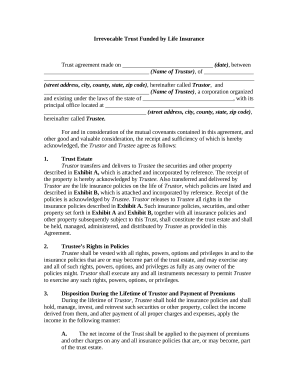
Irrevocable trust form

Beneficiary deed
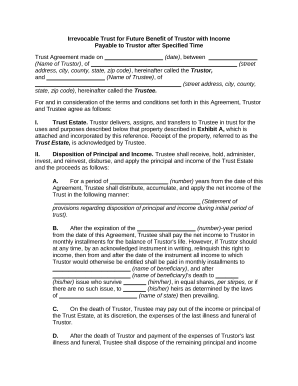
Irrevocable trust with

Springing power attorney form
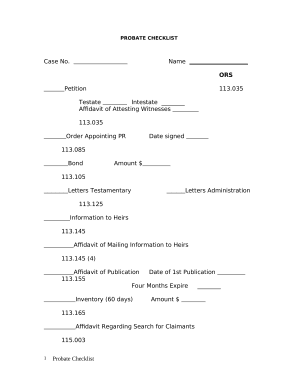
Probate checklist application

Estate questionnaire
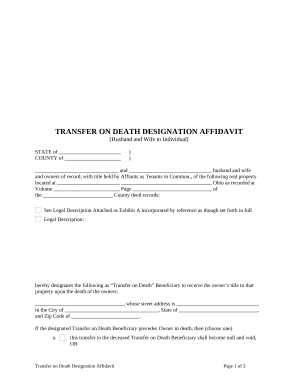
Designation tod form

Co deed beneficiary

Funeral contract sample
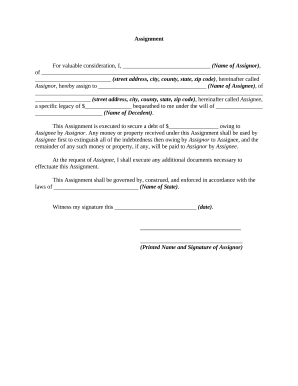
Assignment order form

Ohio estates
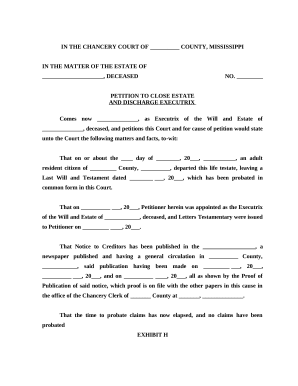
Close estate
Get and handle Legal Forms for Estate Planning online
Accelerate your document operations with the Legal Forms for Estate Planning collection with ready-made document templates that meet your requirements. Access your document template, modify it, complete it, and share it with your contributors without breaking a sweat. Begin working more efficiently with the documents.
The best way to use our Legal Forms for Estate Planning:
- Open our Legal Forms for Estate Planning and look for the form you require.
- Preview your form to ensure it’s what you want, and click Get Form to begin working on it.
- Modify, include new text, or point out important information with DocHub tools.
- Fill out your form and preserve the modifications.
- Download or share your form with other people.
Explore all of the possibilities for your online file administration with our Legal Forms for Estate Planning. Get your free free DocHub account today!
Commonly Asked Questions about Legal Forms for Estate Planning
What are the most common estate planning documents?
Common estate planning documents are wills, trusts, powers of attorney, and living wills. Everyone can benefit from having a will, no matter how small their estate or simple their wishes. Online estate planning services offer basic packages for less than $200.
What are the three main priorities you want to ensure with your estate plan?
Protect and Maximize Your Estate for Your Heirs In conclusion, when creating your estate plan, its crucial to prioritize these three key objectives: naming a trusted individual to handle your affairs, ensuring your estate goes to who you want it to, and protecting and maximizing your estate for your heirs.
Which of the following are documents necessary for estate planning?
The Estate Planning Must-Haves. Wills and Trusts. Durable Power of Attorney. Beneficiary Designations. Letter of Intent. Healthcare Power of Attorney. Guardianship Designations. Estate Planning FAQs.
What are the six basic steps to the estate planning process?
Estate Planning in Six Manageable Steps Who should make an estate plan? Start with an inventory of assets and liabilities. Create a comprehensive will. Make a medical plan. Provide specific instructions for personal property. Decide who will oversee your finances. Set up a plan for your digital estate.
What are the 7 steps of preparing a will?
7 doable steps to help you create a will List all your assets. These might include: Decide who benefits from your estate when you die. Choose guardians for minor children. Name an executor for your will. Create your own will or work with a professional. Make your will official. Update your will as needed.
What are the 7 steps in the estate planning process?
Get a head-start on planning and follow these 7 easy steps: Take Inventory of Your Estate. First, narrow down what belongs to you. Set a Will in Place. Form a Trust. Consider Your Healthcare Options. Opt for Life Insurance. Store All Important Documents in One Place. Hire an Attorney from Angermeier Rogers.
What is the 5 or 5 rule in estate planning?
Its a provision in the trust that grants a beneficiary the annual power to withdraw the greater of $5,000 or 5% of the trusts assets, while avoiding certain negative tax consequences (which are beyond the scope of this post) that might otherwise be applicable if the withdrawal right were exercised outside of those
What are the most important legal documents?
In an emergency, its crucial to have a few essential legal estate documents readily accessible, such as a Last Will and Testament, Advance Healthcare Directive, Durable Power of Attorney (aka Financial Power of Attorney), and Living Will.
Related Templates

CD-2005-4 Web doc CNSP Federal Merge Form Template - virginiadot
The document is a memorandum from the Commonwealth of Virginia Department of Transportation outlining guidelines for the ...

Heart of Appalachia Regional Section - vatc
The Heart of Appalachia Regional Section outlines a strategic plan to enhance tourism in Southwest Virginia by leveragin ...

Adec Preview Generated PDF File - Western Australian Museum
The document describes a new species of bat, Cynopterus nusatenggara, identified from various islands in Nusa Tenggara, ...

GESW0413-A4 Contribution Splitting indd Individual insurance transfer declaration form - West State
GESW0413-A4 Contribution Splitting indd Individual insurance transfer declaration form - West State
The document outlines the concept of contribution splitting for members of GESB Super and West State Super, allowing ind ...

To the Technical Requirements
The document outlines the standards, specifications, and guidelines for the U.S. Route 460 Corridor Improvements Project ...

A Technology Comparison of Standby Building Applications - researchrepository murdoch edu
A Technology Comparison of Standby Building Applications - researchrepository murdoch edu
The dissertation by George Alf Mellick compares various standby generation technologies for a commercial medical facilit ...

Supplement 78
The document presents a comprehensive biodiversity survey of the Pilbara region in Western Australia, focusing on avian ...

MURDOCH RESEARCH REPOSITORY - Semantic Scholar
The document presents a study on the survival mechanisms of the soil-borne pathogen Phytophthora cinnamomi during hot an ...