




01. Edit your church letter asking for financial support pdf online
Type text, add images, blackout confidential details, add comments, highlights and more.

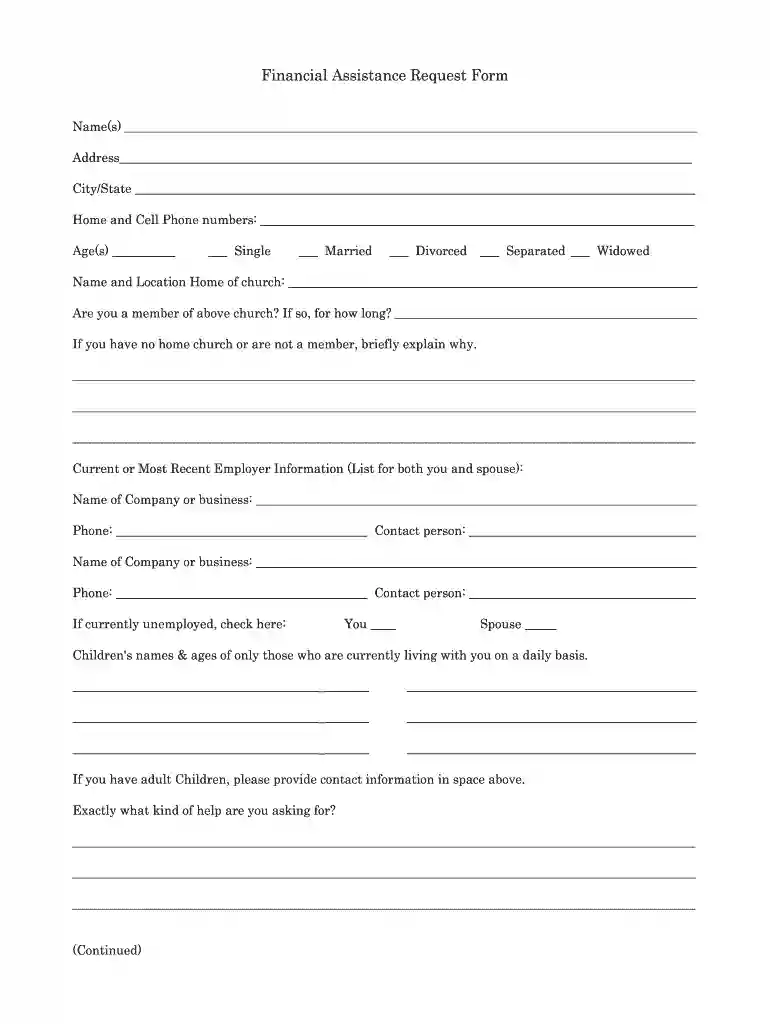
Type text, add images, blackout confidential details, add comments, highlights and more.

Draw your signature, type it, upload its image, or use your mobile device as a signature pad.

Send sample letter for church financial support via email, link, or fax. You can also download it, export it or print it out.
A church letter asking for financial support is a formal request typically issued by a church organization to solicit donations or assistance from its congregation or the broader community. This document serves multiple functions, including transparency about the church’s financial needs, the intended use of funds, and the impact of proposed projects or programs.
Using clear and approachable language is essential. A sample sentence might resemble: "We are reaching out to ask for your support as we aim to raise funds for our new community outreach program, which will directly benefit families in need."
A well-crafted cover letter can enhance the effectiveness of the letter requesting support. Such a cover letter can:
Inclusion of personal narratives or testimonials in this section can further engage readers and inspire action.
When drafting your letter, follow these guidelines to ensure professionalism and effectiveness:
Financial solicitation letters may vary based on purpose and audience. Examples might include:
Including specifics about the outcomes of previous funding can help recipients understand the tangible results of their donations.
Church organizations must adhere to several legal regulations when soliciting funds:
By following these guidelines and addressing these components, churches can create effective letters asking for financial support that resonate with readers and successfully achieve their fundraising goals.
At DocHub, your data security is our priority. We follow HIPAA, SOC2, GDPR, and other standards, so you can work on your documents with confidence.
Present your need explain your need for prayer and financial support as a part of this process. Explain what it looks like to support you financially. oRead more
Dec 11, 1997 The contractor shall provide a monthly Financial Status Report to the project officer and the contracting officer. Also, whenever the reportRead more


