Definition & Meaning
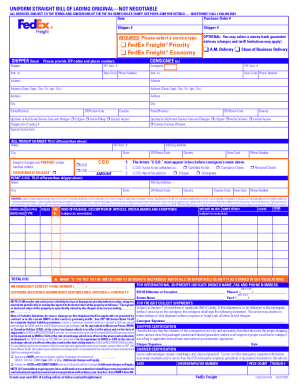
The CONGENBILL 1994 Bill of Lading is a standardized shipping document used in international trade. It serves as a contract of carriage, a receipt of goods, and a document of title. This bill of lading provides a record that goods have been loaded onto a vessel for transport and outlines the responsibilities and rights of the shipper, carrier, and consignee. It is widely recognized and accepted in maritime commerce, facilitating smooth transactions across global supply chains.
Purpose and Features
- Acts as a contract of carriage between the shipper and carrier.
- Provides a receipt for goods, detailing the type, quantity, and condition.
- Functions as a document of title, granting ownership rights of the goods upon delivery.
- Employs standardized terms to ensure clarity and reduce disputes during trade.
How to Use the CONGENBILL 1994 Bill of Lading
When using the CONGENBILL 1994 Bill of Lading, it is essential to understand its application in shipping operations:
-
Preparation by the Shipper: Fill out the necessary details regarding the shipment, including descriptions of the goods, quantity, and destination.
-
Carrier's Acknowledgment: Present the document to the carrier, who will inspect the goods and ensure alignment with the information provided before acceptance.
-
Handling During Transit: The bill of lading travels with the goods and may be required for verification at several checkpoints.
-
Delivery to Consignee: Upon delivery, the consignee must present the original document to claim the goods.
Key Considerations
- Ensure all described goods match the physical shipment.
- Double-check the consignee's information to avoid delays.
- Maintain a copy for personal records and compliance tracking.
How to Obtain the CONGENBILL 1994 Bill of Lading
Acquiring the CONGENBILL 1994 Bill of Lading involves several straightforward steps:
-
Contacting a Shipping Agent: Most shipping lines or freight forwarders provide the document as part of their services.
-
Filling Out Required Information: Include accurate data on the shipper, consignee, and detailed description of the goods.
-
Verification by the Carrier: The carrier will check the entries for accuracy and may request additional documentation if needed.
Channels for Acquisition
- Directly from Shipping Companies: Many carriers offer this document upon booking freight services with them.
- Freight Forwarders: Engaging third-party logistics providers can simplify obtaining and completing the bill.
- Online Templates: Some shipping software allows users to generate a standardized version of the document.
Steps to Complete the CONGENBILL 1994 Bill of Lading
Completing the CONGENBILL 1994 Bill of Lading requires attention to detail and adherence to the following steps:
-
Enter Shipment Details: Include B/L number, shipper and consignee's names, and contact information.
-
Specify Goods Description: Clearly outline each item's nature, weight, quantity, and special requirements.
-
Define Destination and Port Information: Clearly indicate the loading and unloading ports.
-
Carrier Information: Add vessel's name and relevant shipping line details.
Common Errors to Avoid
- Incorrectly listing the consignee.
- Failing to match the shipment description with the contents.
- Overlooking signatures from authorized personnel.
Why You Should Use the CONGENBILL 1994 Bill of Lading
Using the CONGENBILL 1994 Bill of Lading is advantageous for numerous reasons:
- International Recognition: As a well-established document, it is accepted and trusted globally.
- Risk Mitigation: Clearly defines terms that protect against disputes between parties.
- Ease of Transfer: Simplifies the process of transferring ownership rights upon delivery.
Real-World Applications
- Used by major shipping companies in transporting bulk commodities like oil and grain.
- Essential in industries reliant on sea freight where proof of shipment is required for trade financing.
Who Typically Uses the CONGENBILL 1994 Bill of Lading
This bill of lading is commonly used by:
- Exporters and Importers: Engage in cross-border trade involving sea freight.
- Freight Forwarders: Manage logistics and documentation on behalf of clients.
- Shipping Lines: Provide transportation facilities and need standardized contracts.

Industry-Specific Usage
- Agriculture: For large quantities of perishable goods.
- Energy: In transporting crude oil and refined products.
Important Terms Related to CONGENBILL 1994 Bill of Lading
Understanding terminology used in conjunction with the CONGENBILL 1994 Bill of Lading is critical:
- Demurrage: Charges incurred for delays beyond agreed loading/unloading times.
- Freight Prepaid: Indicates that shipping costs have been paid before departure.
- Notify Party: Entity to be informed about the goods’ arrival.
Glossary of Terms
- Laytime: Period allocated for loading/unloading without incurring additional charges.
- Bearer B/L: A negotiable bill of lading that does not restrict delivery to a specific party.
Legal Use of the CONGENBILL 1994 Bill of Lading
The CONGENBILL 1994 Bill of Lading has identifiable legal utilities:
- Contractual Obligations: Sets forth binding contract interpretations enforceable under maritime law.
- Evidence in Litigation: Used as evidence in resolving shipping disputes.
Compliance Requirements
- Must adhere to local and international maritime regulations.
- Necessary for ensuring proper customs documentation and clearance.
Key Elements of the CONGENBILL 1994 Bill of Lading
Critical components to be aware of include:
- B/L Number: Unique identifier for tracking.
- Consignee Information: Target recipient details.
- Goods Description and Packaging Details: Accurate reflection of cargo contents.
Handling Special Cargo
- Ensure additional requirements are met for hazardous materials.
- Outline any special handling instructions clearly.
By understanding these elements and guidelines, users can effectively leverage the CONGENBILL 1994 Bill of Lading in their shipping operations, ensuring compliance, efficiency, and enhanced operational outcomes.