Definition and Meaning of the Child Eligibility Form
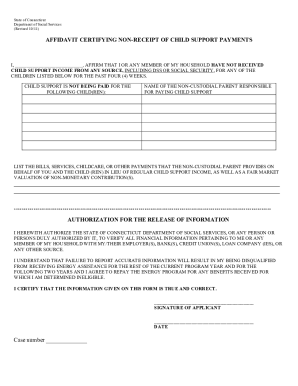
The Child Eligibility Form serves as a crucial tool for verifying the eligibility of a child to participate in specific programs or receive certain benefits. Typically employed by educational and government institutions, these forms ensure that the necessary criteria are met before a child can access services. Eligibility forms generally document key information such as the child's name, date of birth, and qualifications for program participation. This verification process ensures equitable distribution of services and adherence to program guidelines.
How to Use the Child Eligibility Form
Using the Child Eligibility Form requires careful attention to detail to ensure all necessary information is accurately captured. The form must be filled out by the legal guardian or parent of the child. Highlighting crucial sections, such as eligibility criteria and personal information, is essential for a seamless process. It is important to read the instructions carefully and complete all required fields accurately, ensuring that no sections are left incomplete or ambiguous. Inaccuracies or omissions could lead to processing delays or eligibility denial.
Steps to Complete the Child Eligibility Form
-
Gather Required Information:
- Collect information such as the child's full name, date of birth, and any relevant identification numbers.
-
Understand Eligibility Criteria:
- Review the form's eligibility requirements to confirm that your child qualifies.
-
Complete Personal Details:
- Fill in all personal and contact details accurately.
-
Choose the Appropriate Options:
- Indicate the child's eligibility by selecting the appropriate category.
-
Review and Sign the Form:
- Double-check all entries for accuracy, and ensure the form is signed by a legal guardian.
-
Submit the Form:
- Submit the completed form via the preferred method (online, mail, or in-person).
Key Elements of the Child Eligibility Form
-
Identification Details:
- Include the child's name, date of birth, and family information to establish identity.
-
Eligibility Categories:
- These are specific criteria determining program qualification, such as income level or special needs.
-
Parent/Guardian Information:
- Contact information for the responsible adult is necessary for communication purposes.
-
Declaration and Signature:
- A mandatory section that confirms the truthfulness and accuracy of the provided information, signed by the guardian.
Legal Use of the Child Eligibility Form
The Child Eligibility Form is used within a legal framework to ensure transparency and fairness in determining program admission. Institutions rely on these forms to confirm that only eligible children receive appointed resources or benefits. Legal guidelines protect against misuse or fraudulent claims, maintaining integrity in the eligibility verification process. This process also ensures that the collected information meets data protection and privacy regulations, preventing unauthorized access or use.
State-Specific Rules for the Child Eligibility Form
Each state may have unique requirements and rules governing the use of Child Eligibility Forms. Variations can include differences in qualifying criteria, additional documentation, or distinctive form submission procedures. It is critical to consult state-specific guidelines or contact local administrative offices for clarification on state mandates. These distinctions ensure compliance with regional policies and facilitate the appropriate allocation of benefits and services.
Required Documents for the Child Eligibility Form
To validate eligibility, additional documentation may be required alongside the eligibility form:
-
Proof of Identity:
- Birth certificate, passport, or state-issued ID.
-
Residence Verification:
- Lease agreement, utility bill, or official correspondence with an address.
-
Income Documentation:
- Recent pay stubs, tax returns, or benefit statements to support financial eligibility criteria.
-
Other Required Records:
- Any additional documents specified by the program guidelines.
Penalties for Non-Compliance
Failure to accurately complete or submit the Child Eligibility Form can result in several penalties:
-
Delayed Processing:
- Incomplete or inaccurate forms may slow down the approval process.
-
Denial of Benefits:
- Ineligibility may be determined if the form does not fulfill all criteria.
-
Legal Repercussions:
- Submission of fraudulent information can lead to penalties or exclusion from future eligibility.
Understanding these potential consequences underscores the importance of proper form completion and submission, ensuring compliance with all related regulations and requirements.