Definition and Meaning
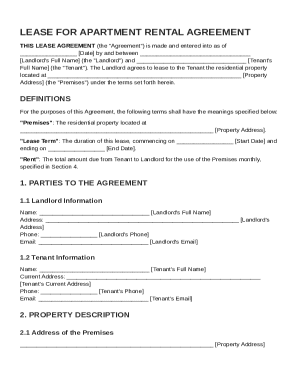
The "House Tenancy Agreement Template" is a legal document used to outline the terms and conditions between a landlord and tenant for renting residential property. It serves as a formal agreement that specifies obligations, rights, and responsibilities of both parties during the tenancy period. Within the United States context, this template includes essential elements such as lease duration, rent payment details, security deposit requirements, maintenance and repair responsibilities, and procedures for termination of the lease. Such agreements ensure clear understanding and prevent potential disputes by delineating each party's roles and expectations.
Key Elements of the House Tenancy Agreement Template
Lease Duration and Renewal
- Fixed-Term Lease: Specifies a start and end date, usually ranging from six months to one or more years. Renewal terms might also be outlined, allowing tenants to renew under similar conditions.
- Month-to-Month Lease: Allows tenants and landlords flexibility with typically a 30-day notice requirement for termination by either party.
Rent and Security Deposits
- Rent Payment: Details the amount, due date, and payment method. It may include late fee policies.
- Security Deposit: States the amount to be held as security, conditions for its return, and deductions applicable for damages beyond normal wear and tear.
Maintenance and Repairs
- Landlord Responsibilities: Includes maintaining structural elements, utilities, and compliance with health and safety regulations.
- Tenant Responsibilities: Covers minor maintenance tasks, such as replacing light bulbs or maintaining cleanliness.
Legal Use of the House Tenancy Agreement Template
The template is designed to be legally binding in compliance with the ESIGN Act, allowing for electronic signatures. It provides a legal framework as long as both landlord and tenant sign the document. This form can be digitally completed and signed using platforms like DocHub, ensuring valid consent and agreement to the stipulated terms. Failure to comply with the agreement's terms can lead to legal penalties for breach of contract, which underlines the importance of understanding and adhering to the agreement thoroughly.
Important Terms Related to the House Tenancy Agreement Template
- Subletting: Permission or prohibition on the tenant's ability to lease the property to another party.
- Eviction Process: Description of the legal protocols a landlord must follow to remove a tenant for non-compliance.
- Utilities and Appliances: Who is responsible for payments and maintenance of various utilities and appliances.
Steps to Complete the House Tenancy Agreement Template
- Gather Information: Collect necessary details, such as names, addresses, property description, and agreed terms.
- Use an Editing Platform: Open the template in a digital editor like DocHub to fill in fields and make required adjustments.
- Review Terms: Ensure both parties understand and agree with all outlined terms and conditions.
- Sign the Document: Use electronic signatures through platforms that comply with legal standards for e-signatures.
- Distribute Copies: Both parties should have access to a final signed copy for their records.
State-Specific Rules for the House Tenancy Agreement Template
Rental laws can vary significantly by state within the U.S., affecting aspects like:
- Deposit Limits and Return Times: Some states have specific rules about the maximum allowable security deposit and the timeline for returning deposits post-tenancy.
- Notice Requirements: Variances in notice duration for termination or rent increase notifications are common.
- Tenant Rights: Varying protections for tenants concerning discrimination and habitability.
Examples of Using the House Tenancy Agreement Template
- First-Time Renters: College students renting off-campus apartments may use the template to clarify terms with non-corporate landlords.
- Seasonal Rentals: Landlords offering vacation homes for short-term leases might employ the form as a template to itemize specific rental conditions.
- Multi-Family Properties: Investors in rental properties often need a standardized document to manage multiple occupancy agreements across units.
Digital vs. Paper Version
- Digital Version: Offers flexibility and efficiency with electronic signatures, easy modification, and instant sharing options. It’s favored for its integration with digital document management systems like DocHub, which ensure security and audit trails.
- Paper Version: Traditional form used by lessors and lessees for physical signing, which may be cumbersome in situations requiring remote dealings.
Software Compatibility
DocHub supports a wide range of file formats and integrates with cloud services like Google Drive, Dropbox, and OneDrive, simplifying the import and export of the "House Tenancy Agreement Template." This makes it readily compatible with popular software tools used in tenant and landlord arrangements, ensuring seamless document handling and collaboration.