




Here's how it works
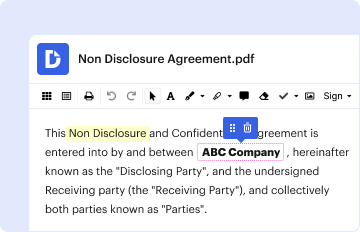
01. Edit your substitution of trustee and full reconveyance form california online
Type text, add images, blackout confidential details, add comments, highlights and more.
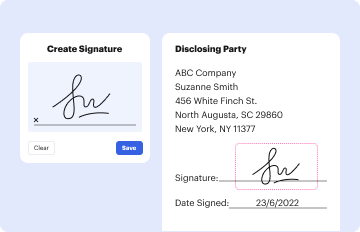
02. Sign it in a few clicks
Draw your signature, type it, upload its image, or use your mobile device as a signature pad.

03. Share your form with others
Send who signs substitution of trustee and full reconveyance via email, link, or fax. You can also download it, export it or print it out.
How to use or fill out form-substitution-of-trustee-and-full-reconveyance with our platform

- Click ‘Get Form’ to open it in the editor.
- Begin by filling in the 'Recording requested by' section with your name. This identifies who is requesting the recording of the document.
- In the 'When recorded mail to' section, provide the address where you want the document and tax statements sent. Ensure accuracy for timely delivery.
- Enter the Assessor’s Parcel Number (APN) in the designated field. This number is crucial for identifying the property involved in this transaction.
- Complete the Declaration of Exemption section if applicable, indicating whether your transfer qualifies for exemption from fees under specified government codes.
- Fill in details about the original Trustor, Trustee, and Beneficiary as per your records, including names and dates related to the Deed of Trust.
- Finally, substitute a new Trustee by entering their name and sign at the bottom. Include your role at Trustee for clarity.
Start using our platform today to streamline your document editing and signing process for free!
Fill out form-substitution-of-trustee-and-full-reconveyance online
It's free
It's free
See more form-substitution-of-trustee-and-full-reconveyance versions
We've got more versions of the form-substitution-of-trustee-and-full-reconveyance form. Select the right form-substitution-of-trustee-and-full-reconveyance version from the list and start editing it straight away!
Got questions?
We have answers to the most popular questions from our customers. If you can't find an answer to your question, please contact us.
Contact us
What is the Deed of change of trustees?
The deed allows you, the settlor, to make changes to your trustees. (The settlor is the person who created the original trust over their policy.)
What does it mean to be a trustee on a deed?
1:26 4:10 So grantee in the deed becomes the grtor and the deed of trust. You also have a trustee. And youMoreSo grantee in the deed becomes the grtor and the deed of trust. You also have a trustee. And you have the beneficiary. Which is the lender.
What is substitution of trust and full reconveyance?
A Substitution of Trustee and Deed of Reconveyance is a legal document that evidence security interest is being release by a lender. In most cases, the document shows that a loan has been paid off. Property owners may even receive this document if they have refinanced a loan.
What are the benefits of using a trust deed?
Putting your house deed in your trust is a great way to ensure that your property is distributed according to your wishes. It also provides additional protection from creditors and potential legal claims. Moreover, it can provide some tax benefits and help you avoid probate.
When to use a trustee deed?
Deeds of trust are used when borrowing money to buy real estate. In these deals, the lender offers money for promissory notes linked to a trust deed. The trust deed transfers legal title to an impartial trustee, like a bank or escrow company, as collateral for the notes.
Security and compliance
At DocHub, your data security is our priority. We follow HIPAA, SOC2, GDPR, and other standards, so you can work on your documents with confidence.
Learn more


People also ask
How to read substitution of trustee and full reconveyance?
The Substitution of Trustee reflects the appointment of a new trustee in place of the original trustee as shown on a previously recorded Deed of Trust. The Reconveyance reflects full or partial payment of a loan under a Deed of Trust. It also reflects a payoff of a loan or a refinance.
What is the purpose of a trustee Deed?
Like a mortgage, a trust deed makes a piece of real property security (collateral) for a loan. If the loan is not repaid on time, the lender can foreclose on and sell the property and use the proceeds to pay off the loan.