





Definition and Purpose of the Transfer of Vehicle Ownership Forms SAAQ
The transfer of vehicle ownership forms SAAQ includes a series of documents required to officially transfer the ownership of a vehicle from one individual or entity to another within Quebec. These forms are essential to ensure that both the buyer and seller are protected during the transaction, and they provide the necessary information to legal authorities to update vehicle registration records. The importance of this process cannot be overstated, as it facilitates secure and accountable vehicle transactions.
Key components of these forms typically include:
- Identification details of the current owner: This ensures that the seller has the legal right to transfer ownership.
- Identification details of the new owner: Necessary for updating the vehicle registration with the new owner's information.
- Vehicle identification numbers (VIN): This information ensures that the correct vehicle is identified in the transaction.
- Purchase price or consideration: This reflects the transaction value and can have implications for taxation.
Steps to Complete the Transfer of Vehicle Ownership Forms SAAQ
Completing the transfer of vehicle ownership forms SAAQ involves several critical steps. This process ensures that all necessary details are accurately completed to prevent any legal complications post-transfer.
- Obtain the necessary forms: Start by downloading the appropriate vehicle transfer form, such as the SAAQ vehicle transfer form, from the SAAQ website or access it through authorized representatives.
- Complete the seller's section: The current owner must fill out their section entirely, providing their personal and vehicle details.
- Input buyer's information: The buyer must also provide their personal information accurately in the designated section.
- Fill out the purchase details: Include the sale price and any other relevant transaction details.
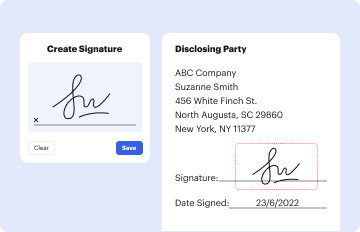
- Sign the form: Both parties are required to sign the form; this is a crucial step to validate the transfer.
- Submit the form: The completed form must be submitted to the SAAQ, either online, by mail, or in person.
Following these steps diligently minimizes the chances of errors and facilitates a smooth transfer process.
Important Terms Related to the Transfer of Vehicle Ownership Forms SAAQ
When dealing with the transfer of vehicle ownership forms, several key terms are vital for understanding the process. Familiarity with these terms ensures all parties involved can navigate the process effectively.
- Bill of Sale: This document serves as a receipt for the transaction, evidencing the change of ownership between the seller and buyer.
- Proxy Form: In cases where the seller cannot be present, a proxy form may be required to authorize another individual to complete the transaction on their behalf.
- Vehicle Identification Number (VIN): This unique identifier is crucial for accurately identifying the vehicle being transferred.
- SAAQ: The Société de l’assurance automobile du Québec is the governing authority overseeing vehicle registrations and transfers in Quebec.
Understanding these terms helps clarify responsibilities and expectations throughout the transaction.
Legal Use of the Transfer of Vehicle Ownership Forms SAAQ
The legal use of the transfer of vehicle ownership forms is essential for ensuring that the transaction is recognized by law. Without the proper documentation, issues related to liability, insurance, and future ownership disputes may arise.
- Document Requirements: To legitimize a vehicle transfer, it is necessary to have completed forms signed by both the seller and buyer.
- Registration of Transfer: The forms must be submitted to the SAAQ to officially update the registration records, thereby protecting the rights of both parties.
- Compliance with Local Laws: The forms must adhere to the relevant motor vehicle regulations outlined by the province of Quebec, including those related to taxation and insurance.
Ensuring compliance with these legal requirements is crucial for protecting both the buyer and seller's rights and interests.
Who Typically Uses the Transfer of Vehicle Ownership Forms SAAQ
The transfer of vehicle ownership forms SAAQ are used by a variety of individuals and entities involved in vehicle transactions. Identifying the primary users can help in understanding the various contexts in which these forms are applied.
- Private Sellers and Buyers: Individuals regularly transferring ownership of personal vehicles, like cars and motorcycles, use these forms for their transactions.
- Dealerships: Automobile dealers utilize these forms as part of their sales process to document vehicle transfers accurately and legally.
- Car Rental Companies: These companies may require the transfer of ownership forms when selling their fleet vehicles.
- Estate Executors: In cases of inheritance, executors use the transfer forms to reassign ownership of a deceased person's vehicle assets.
Understanding who uses these forms can help streamline the transaction process, ensuring all relevant parties fulfill their obligations.


Examples of Using the Transfer of Vehicle Ownership Forms SAAQ
Real-world examples can illustrate the application of the transfer of vehicle ownership forms SAAQ. These scenarios provide practical insights into how these forms operate in different contexts.
- Private Sale of a Car: A seller and buyer agree on a sale price of $15,000 for a used vehicle. They complete the necessary transfer form, including VIN and identification details, and submit it to the SAAQ. This transaction ensures the buyer is legally recognized as the new owner.
- Dealer-to-Customer Transaction: A dealership sells a new vehicle and provides the buyer with a transfer form along with the bill of sale. The buyer completes the form and submits it to register the vehicle in their name officially.
- Inheritance of a Vehicle: A person inherits a car from a deceased relative. As the executor of the estate, they complete the transfer form using a proxy to sign on behalf of the deceased, ensuring the proper legal transfer of ownership to the heir.
These examples highlight the various contexts in which the transfer forms are applicable, simplifying the process and ensuring compliance.