



01. Edit your wellness action plan pdf online
Type text, add images, blackout confidential details, add comments, highlights and more.

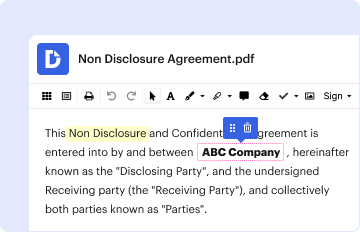
Type text, add images, blackout confidential details, add comments, highlights and more.
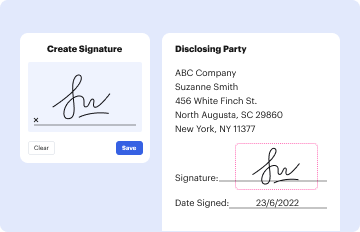
Draw your signature, type it, upload its image, or use your mobile device as a signature pad.

Send wellness recovery action plan pdf via email, link, or fax. You can also download it, export it or print it out.
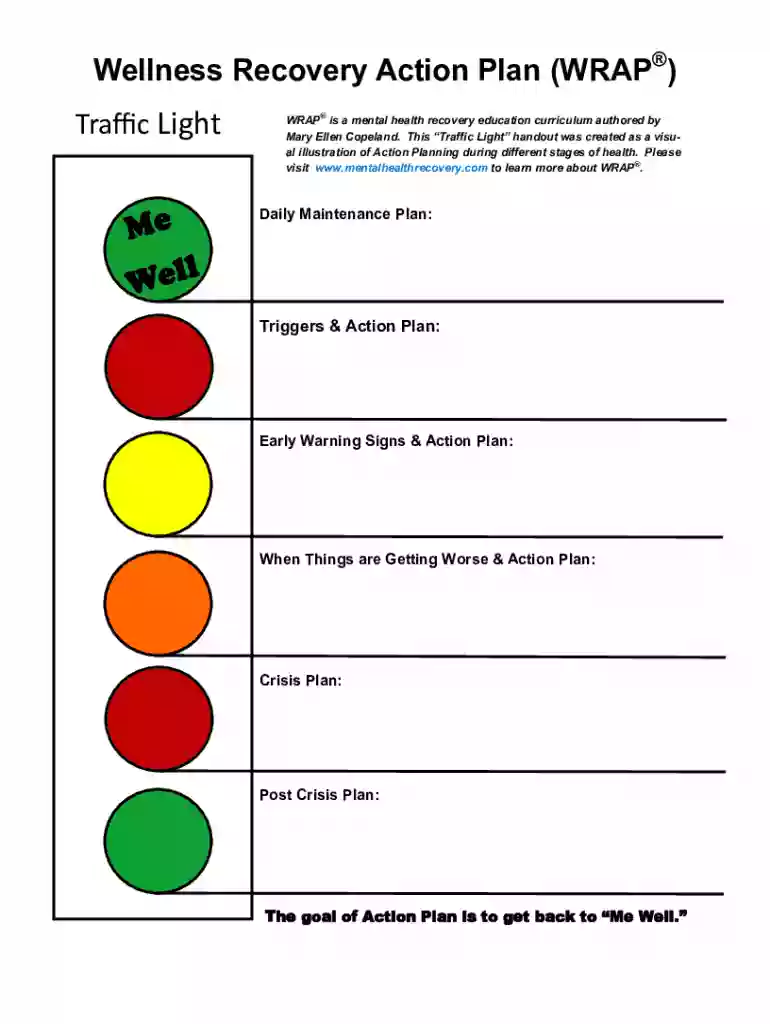
The Wellness Recovery Action Plan (WRAP®) is a structured, practical framework designed to assist individuals in managing their mental health and overall wellness. Developed by Mary Ellen Copeland, WRAP provides a set of tools and strategies that empower users to take control of their mental health challenges. The plan is customizable and focuses on prevention, self-management, and recovery enhancement through proactive steps.
Key components of WRAP include:
This comprehensive structure fosters a proactive attitude toward mental health, encouraging individuals to engage in self-monitoring, recognize warning signs early, and implement strategies to maintain wellness.
Implementing a Wellness Recovery Action Plan involves several steps to tailor the plan to individual needs and lifestyle. The following guidelines can assist users in effectively deploying their WRAP:
Self-Assessment: Individuals begin by evaluating their current mental health status. Reflecting on past experiences, symptoms, and responses can guide the development of the plan.
Drafting the Maintenance Plan: Users should articulate daily activities that contribute to their wellness, such as exercise, meditation, or socializing. This plan serves as a reference point to maintain balance.
Identifying Stressors: It is crucial to document personal stressors. This could include work-related pressures, relationship dynamics, or life changes. Recognizing these factors allows individuals to develop coping strategies.
Awareness of Warning Signs: Users create a list of early warning signs unique to them. This could include changes in sleep patterns, mood fluctuations, or withdrawal from social interactions.
Creating Crisis and Post-Crisis Plans: These sections should outline specific actions and contacts needed should a crisis occur. For example, users can list supportive friends and family members, healthcare providers, and preferred interventions.
Regular Review: The WRAP should be revisited periodically. Adjustments may be necessary based on changes in circumstances, new insights, or after particularly stressful periods.
Completing a WRAP involves a systematic approach to ensure thoroughness and personal relevance. Here’s a step-by-step breakdown:
Gather Materials: Collect all necessary tools, including paper or digital formats, and any pre-existing health documents.
Start with Daily Maintenance: Document what wellness looks like on a daily basis. Identify routines and activities that support mental health.
List Personal Stressors: Detail stressors that tend to disrupt daily life. Consider specific environments, situations, or relationships.
Identify Early Warning Signs: Create a comprehensive list of signs indicating a decline in mental health. This may involve reflecting on previous episodes of distress.
Develop a Crisis Plan: Outline actionable steps to take during a crisis, including key contacts and interventions that are calming or supportive.
Draft a Post-Crisis Plan: Describe recovery strategies to use following a crisis. This includes insights gained from experiences and supportive resources.
Finalize the Document: Review for completeness, clarity, and personal alignment. Ensure it comprehensively represents individual triggers and responses.
Share with Support Network: If comfortable, share the WRAP with trusted individuals for feedback and to promote understanding of personal needs.
Set a Schedule for Review: Plan regular check-ins to update the WRAP as needed, ensuring it remains relevant and effective.
A well-constructed Wellness Recovery Action Plan encompasses essential components that guide individuals toward sustained mental health management. The following elements are critical:
Daily Maintenance Plan: This core element specifies daily activities promoting well-being.
Triggers and Stressors: Identifying specific stressors enables individuals to plan for and minimize their impact.
Warning Signs of Decline: Early recognition of these signs allows timely intervention.
Crisis Plan: This section outlines responses to mental health crises and crucial contacts.
Post-Crisis Strategies: Recognizes essential steps for recovery, reinforcing the importance of aftercare.
Resource List: Compiles useful contacts, such as therapists, hotlines, or support groups.
Using these elements provides a comprehensive approach to personal wellness, integrating both prevention and recovery strategies.
Familiarizing oneself with terminology associated with the Wellness Recovery Action Plan is beneficial for understanding its application:
Crisis Plan: An outlined plan addressing potential crises by listing action steps, key contacts, and supportive interventions.
Early Warning Signs: Specific indicators experienced by an individual suggesting that mental health may be deteriorating.
Maintenance Plan: A daily or routine plan detailing activities that an individual uses to maintain their mental health.
Recovery: The process of gaining control over life and managing mental health challenges successfully.
By mastering these terms, individuals can confidently discuss their WRAP and clarify its components, both personally and with healthcare providers or support systems.
We've got more versions of the wellness action plan pdf form. Select the right wellness action plan pdf version from the list and start editing it straight away!
At DocHub, your data security is our priority. We follow HIPAA, SOC2, GDPR, and other standards, so you can work on your documents with confidence.
The Wellness Recovery Action Plan (WRAP) was originally developed by Mary Ellen Copeland and a group of mental health service users who wanted to work on
by MJ Norton 2021 Cited by 10 WRAP is a structured recovery education program used internationally for anyone who wishes to create a positive change in their life.Read more


