Manage Guardianships effortlessly online

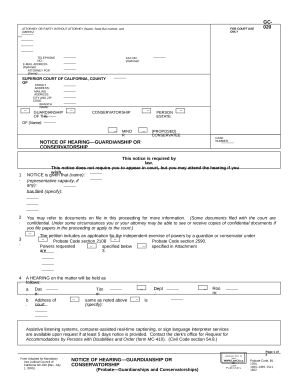
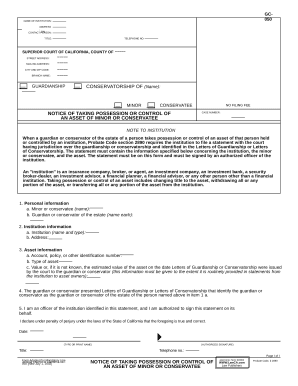
Document managing can overpower you when you can’t locate all the forms you need. Luckily, with DocHub's extensive form categories, you can discover all you need and promptly take care of it without changing between software. Get our Guardianships and begin utilizing them.

Using our Guardianships using these simple steps:

  1. Check Guardianships and select the form you need.
  2. Review the template and click on Get Form.
  3. Wait for it to open in the online editor.
  4. Change your template: include new information and images, and fillable fields or blackout some parts if necessary.
  5. Prepare your template, preserve modifications, and prepare it for delivering.
  6. When all set, download your form or share it with other contributors.

Try out DocHub and browse our Guardianships category easily. Get your free account today!

Video Guide on Guardianships management

video background

Commonly Asked Questions about Guardianships

A guardian is appointed for an adult if the court finds by clear, cogent and convincing evidence that a person alleged to be incompetent lacks sufficient capacity to manage his or her own affairs or to make or communicate important decisions about the persons self, family, or property.
Guardianship can be a challenging but rewarding role, and there are many benefits to being a guardian. Benefit 1: Providing Care and Protection. Benefit 2: Legal Empowerment. Benefit 3: Skill Development. Benefit 4: Family Cohesion. Benefit 5: Social Recognition and Respect. Benefit 6: Networking with Legal Entities.
From 1 May 2024, Child Benefit will be extended to children aged 18 who are in full-time education or who have a disability. Guardians Payment is a weekly payment of 215 per week per child to support meeting the caring needs of a child. You do not need to be a legal guardian to apply for Guardians Payment. Kinship care - Citizens Information citizensinformation.ie kinship-care citizensinformation.ie kinship-care
There may be an unnecessary infringement of the alleged incapacitated persons privacy, freedom and loss of decision-making authority. The appointed guardian may over time become overly protective, dominating and arbitrary.
Guardianship creates a legal relationship between a child and caregiver that is intended to be perma- nent and self-sustaining and can provide a permanent family for the child without the necessity of terminating parental rights.
A guardian of the estate owes a fiduciary duty to the child. This means that the guardian must exercise special care in managing the childs money and property and must manage them only in the childs interest. The guardian may not use the childs money to benefit themselves or anyone else except the child.
The guardian steps into the shoes of an incapable person and makes personal care decisions when necessary. These need to be made carefully and sensitively. Personal care decisions can include decisions about where to live, what to eat, safety, clothing, personal hygiene and healthcare, including treatment.
A guardianship is when an adult, who is not a childs parent, is legally responsible for the childs care because the childs parent is unable to care for them. It may also mean someone manages the childs money or property if the child has a lot.