Understanding the Social Security Disability Application Process
The social security disability application process is crucial for individuals seeking assistance due to disabilities that impact their ability to work. This guide explores the essential components, eligibility criteria, and steps involved.
Definition and Importance of the Social Security Disability Application
The social security disability application is a formal request for benefits provided under the Social Security Administration (SSA) for individuals who are unable to work due to a medical condition. Understanding the purpose of this application is vital, as it connects individuals to financial support and healthcare coverage.
- Provides essential financial support: Disability benefits help cover living expenses for individuals unable to maintain employment due to disabilities.
- Access to healthcare: Receiving benefits often includes eligibility for Medicare or Medicaid, ensuring individuals have access to necessary medical care.
- Support during recovery: Benefits help individuals focus on recovery without the added stress of financial burdens.
Eligibility Criteria for Social Security Disability Benefits
Before applying, it's important to verify that you meet specific eligibility requirements set by the SSA. The primary criteria include:
- Work history: Applicants must have enough work credits, typically accrued through employment over a specified period. Generally, individuals should have worked for at least five out of the last ten years.
- Medical condition: The disability must be severe enough to prevent gainful activity and must be recognized by the SSA based on its list of qualifying conditions, including physical or mental impairments.
- Duration of disability: The condition should be expected to last at least 12 months or result in death.

Steps to Complete the Social Security Disability Application
Filing a social security disability application requires careful attention to detail and proper documentation. Follow these steps to streamline your application process:
-
Gather necessary documents:
- Detailed medical records from your healthcare providers, including diagnostic tests and treatment history.
- Employment records, including W-2 forms and tax returns.
- Personal information, such as Social Security number and birth certificate.
-
Choose your method of application:
- Online: Utilize the SSA's online application service for a more straightforward process.
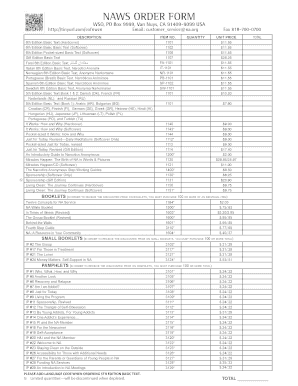
- Paper application: Download and print the social security disability application PDF or request a paper form from an SSA office.
- In-person: Schedule an appointment at a local SSA office to receive assistance.
-
Complete the application: Fill in the application ensuring all sections are answered. Incomplete applications can lead to delays or denial.
-
Submit the application: Whether submitting online or by mail, ensure that you retain copies of all documentation for your records.
-
Follow up: After submission, regularly check the status of your application either through the SSA website or by contacting your local office.
What to Expect During the Review Process
Once the application is submitted, it goes through several review stages, which can take several months. Understanding the timeline and components of this review can mitigate anxiety during the waiting period.
- Initial review: The SSA reviews basic eligibility and ensures all required documentation is present.
- Medical review: Your medical condition and the extent to which it affects your ability to work will be evaluated. The SSA may contact healthcare providers for additional information.
- Decision: After thorough examination, the SSA will issue a decision on your application.
Alternative Application Methods and Variants
While the primary method is the standard social security disability application, there are alternatives that cater to specific needs:
- SSI application: Supplemental Security Income (SSI) benefits are available for those with limited income, regardless of work history.
- Child disability application: A separate process exists for applying for benefits on behalf of children with disabilities.
- Online resources: Various tools are available on the SSA website to assist with the application process, including guides and FAQs.
Importance of Timeliness in Application Submission
Deadlines are critical when submitting a social security disability application. Delays can not only prolong the review process but can also affect eligibility retroactively.
- Filing for reconsideration: If the initial application is denied, understanding the deadlines for filing an appeal is essential to maintain eligibility.
- Back benefits: Timely applications can result in receiving benefits retroactive to the date of initial application, providing necessary financial support during the waiting period.
Preparing for Potential Challenges
The social security disability application process can be fraught with challenges, including potential denials. Preparation can alleviate some of these issues:
- Consult with professionals: Consider seeking assistance from disability advocates or attorneys who specialize in social security cases.
- Stay informed: Keep up to date on any changes in policies or procedures by regularly visiting the SSA's official website or subscribing to relevant news updates.
By thoroughly understanding the social security disability application process, eligibility requirements, and steps to navigate potential challenges, individuals can approach their applications with greater confidence and clarity.