Bangladesh Arrival Card Overview
The Bangladesh Arrival Card is an immigration and travel declaration form used when entering Bangladesh. It helps border officials record a traveler’s identity, travel details, and basic arrival information before or during entry processing. For many travelers, especially first-time visitors, the form is one part of a larger arrival procedure that may also include passport review, visa verification, and customs screening.
In practical terms, the arrival card supports border control, passenger tracking, and recordkeeping. It is not usually a standalone travel authorization like a visa, and it does not replace passport or entry visa requirements. For travelers departing from the United States, it is important to understand that this form may be requested in paper or digital format depending on the point of entry, airline guidance, and current Bangladesh immigration procedures.
The form is typically relevant to:
- Foreign nationals entering Bangladesh for tourism, family visits, business, study, or transit.
- Returning Bangladeshi citizens, depending on the current arrival process.
- Travelers arriving through airports, seaports, or other designated entry points where arrival declarations are collected.
Because arrival procedures can change, the most useful approach is to view the Bangladesh Arrival Card as a checkpoint document. It helps establish who is arriving, where they are coming from, and why they are entering the country. That information is used alongside other travel records to complete the entry process.
Who Needs the Form
The Bangladesh Arrival Card is generally associated with travelers who must provide arrival information to immigration authorities. The exact requirement can vary based on nationality, visa status, age, and the entry location. In many cases, international passengers arriving by air are the most likely to encounter the form, though land or sea arrivals may also be subject to similar declarations.
Typical users include:
- U.S. citizens traveling to Bangladesh for tourism or personal visits.
- Bangladeshi passport holders returning home.
- Foreign residents entering Bangladesh on work, study, or family visas.
- Business travelers attending meetings, site visits, or conferences.
- Transit passengers if the arrival process requires formal entry clearance.
Certain travelers may be treated differently. For example, a family traveling together may complete the form individually for each traveler, while an airline or border authority may accept grouped processing in limited situations. Minors often need information supplied by a parent or legal guardian, especially if the child is traveling alone or with only one parent.
The form can also matter when a traveler has:
- A recent change of passport.
- Dual nationality.
- A Bangladeshi visa issued in an older passport.
- Entry after a long stay outside the country.
- Special immigration history, such as a prior overstay or lost passport replacement.
For U.S.-based travelers, it is useful to treat the arrival card as a standard part of international entry planning, similar to reviewing visa validity, passport expiration, and customs declaration requirements before departure.
Common traveler scenarios
- A U.S. tourist arriving at Dhaka airport may need to provide arrival details as part of immigration processing.
- A Bangladeshi-American dual national may need to present the passport that matches the travel record used for entry.
- A business traveler entering for a short meeting may need to identify the trip purpose consistently across airline, visa, and arrival documents.
- A student returning after a break may need to confirm current residence information and local contact details.
Required Information and Documents
A Bangladesh Arrival Card usually relies on information that is already present in a traveler’s passport and travel itinerary, but the form may also ask for additional details. Accuracy matters because the card is used by immigration officers to confirm identity, travel purpose, and arrival conditions.
Commonly requested information includes:
- Full name as shown in the passport.
- Passport number and nationality.
- Date of birth and gender.
- Flight or vessel number.
- Date of arrival.
- Purpose of visit, such as tourism, business, study, or family visit.
- Address in Bangladesh, including hotel name or local residence.
- Contact information, sometimes including a phone number.
- Duration of stay, if requested.
Travelers should also have supporting documents available, even if they are not physically attached to the arrival card. These often include:
- A valid passport with enough remaining validity.
- A visa or e-visa, if required.
- Return or onward ticket details.
- Hotel booking confirmation or host address.
- Business invitation letters, if relevant.
- Proof of relationship or sponsorship, in some family visit cases.
Situations that may require extra care
- If the traveler is staying with relatives, the address should be complete and consistent with the invitation or accommodation record.
- If the trip includes multiple stops, the arrival card should usually reflect the first Bangladesh destination, not an intermediate transit point.
- If the passport number changed recently, travelers should avoid mixing old and new document details.
- If a child does not have a clear local address of their own, the parent or guardian’s address is usually used.
Consistency across documents is especially important. If the visa application says one purpose of travel and the arrival card says another, that mismatch can slow processing or lead to additional questions at the border.
How to Complete the Card
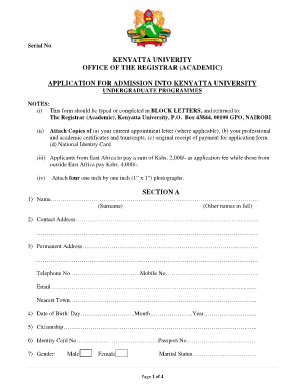
The Bangladesh Arrival Card is usually straightforward, but small errors can create delays. The safest approach is to complete it exactly as the passport and travel documents show, using clear, legible information if the form is paper-based.
A typical completion process may look like this:
- Start with the traveler’s full legal name.
- Enter passport information carefully, including the correct passport number.
- Add nationality, date of birth, and gender as requested.
- Fill in the flight number and date of arrival.
- State the purpose of travel using the closest accurate category.
- Provide the Bangladesh address where the traveler will stay.
- Review for spelling, number transposition, and date errors.
- Submit the form as instructed by the airline or immigration authority.
When a digital version is used, travelers may complete fields on a device before arrival. In paper format, the same information is often completed by hand. Either way, the content should be identical to the passport record. If the form allows corrections, those should be made cleanly and without overwriting information in a way that makes the field unclear.
Examples of accurate entry
- A traveler staying at a Dhaka hotel may list the hotel’s full name and neighborhood.
- A visitor staying with family may enter the host’s residential address and local phone number.
- A business traveler may list the office address of the Bangladesh host company if that is the main destination.
- A student returning to campus may use the university dormitory or housing address, if permitted.
Common completion errors
- Writing a nickname instead of the legal passport name.
- Entering the wrong passport number by one digit.
- Using an incomplete address, such as only a city name.
- Confusing the departure date with the arrival date.
- Listing “tourism” when the actual trip is for employment or study.
These mistakes matter because arrival cards are often reviewed quickly. Clear and consistent information helps reduce questions and supports smoother entry processing.
Submission and Processing
The Bangladesh Arrival Card may be collected in different ways depending on the entry point and current immigration workflow. Some travelers receive and complete it during the flight or before arrival, while others may encounter it at the airport or through a digital intake process. The exact method can vary by carrier, airport, and policy updates.
Common submission formats include:
- Paper form completed by hand and presented on arrival.
- Digital submission through an arrival or immigration system, where available.
- Airline-distributed forms completed before landing.
- Airport-counter completion if the form is not handled in advance.
Processing is usually tied to the immigration inspection itself. In many cases, the card is reviewed together with the passport, visa, and supporting entry documents. If information is clear and consistent, the review is typically routine. If there is a discrepancy, an officer may ask follow-up questions or request supporting documents.
Practical processing scenarios
- A traveler arrives with a valid visa, matching passport details, and a completed arrival card. The officer can usually confirm the entry information quickly.
- A traveler forgets the local address and writes only a hotel city name. The officer may ask for the full address, causing a short delay.
- A traveler enters with a recently renewed passport but presents a visa in the old passport. The officer may need to review both documents.
- A family group submits cards with different spellings of the same surname. That may lead to clarification before entry is approved.
Travelers should also remember that a completed arrival card does not guarantee admission. Final entry approval remains with Bangladesh immigration authorities, who may review admissibility based on the full record, not only the form itself.
Legal and Compliance Considerations
The Bangladesh Arrival Card serves an administrative and border-control function. It is part of the official entry record and should be completed honestly and consistently. False statements, omissions, or intentional inconsistencies can create problems during entry and may affect future travel.
Important compliance points include:
- Information should match the passport and visa record.
- Purpose of travel should reflect the real reason for the visit.
- Address information should be truthful and usable.
- Travel dates should align with the actual itinerary.
- Travelers should answer follow-up questions clearly if asked by immigration officers.
For U.S. travelers, this is similar in concept to other international entry declarations where accuracy is more important than speed. If a traveler is uncertain about a field, the correct response is usually to verify the information before submitting, rather than guessing.
Legal concerns may become more serious when:
- A traveler attempts to conceal a prior immigration issue.
- A false address is used to avoid scrutiny.
- Passport details are altered or copied incorrectly on purpose.
- Multiple travelers use one person’s information for convenience.
- A traveler ignores instructions from immigration staff.
The arrival card should also be treated as part of the overall travel record. Even if the form seems simple, it may be retained or cross-checked with other entry data. That is why careful completion matters, especially for repeat visitors, business travelers, and anyone entering Bangladesh on a time-sensitive itinerary.
Digital and Paper Versions
Bangladesh arrival procedures may involve either digital or paper-based forms, depending on the current entry system and airport operations. Each version serves the same basic purpose, but the user experience can differ.
Paper version
A paper arrival card is familiar and easy to understand, especially for travelers who prefer writing information by hand. It can be completed during the flight, at the airport, or at a designated immigration point. Paper forms are useful when travelers do not have reliable device access or when the airport workflow still relies on physical documents.
Advantages of the paper version:
- No device or internet access is needed.
- It can be completed anywhere with a pen.
- Travelers can attach or reference printed supporting documents easily.
Potential drawbacks:
- Handwriting may be difficult to read.
- Corrections can be messy if mistakes are made.
- Missing fields are easier to overlook.
Digital version
A digital arrival card can reduce handwriting problems and may improve legibility for immigration staff. It may also allow data to be captured earlier in the travel process. When used correctly, it can be convenient for frequent travelers who already manage digital boarding passes and electronic visas.
Advantages of the digital version:
- Cleaner, typed data.
- Fewer transcription errors.
- Easier to update in some systems before submission.
Potential drawbacks:
- Device compatibility issues.
- Possible delays if the system is not working.
- Extra care needed to ensure data is saved and transmitted properly.
Which version is more reliable
Both versions can be effective when filled out correctly. The more important factor is whether the information matches the traveler’s passport, visa, and itinerary. For a U.S.-based traveler, it is often helpful to keep a printed copy or screenshot of travel details in case the airport process requires quick reference.
Common Errors and Rejections
Most arrival card problems are caused by simple data-entry mistakes, not complex immigration issues. Even so, those mistakes can slow the arrival process and create unnecessary questions at the border. The most common issues are preventable with careful review.
Typical mistakes include:
- Misspelled names.
- Wrong passport numbers.
- Incorrect arrival dates.
- Missing local address details.
- Inconsistent purpose of travel.
- Illegible handwriting on paper forms.
- Using outdated passport information.
A form may be flagged or questioned if it contains:
- A blank field that should have been completed.
- A date that does not match the actual flight.
- A visa category that conflicts with the stated trip purpose.
- An address that appears incomplete or unrelated to the traveler.
- Information that does not align with the passenger manifest or airline record.
Example situations that cause delays
- A traveler writes a hotel abbreviation instead of the full property name.
- A business visitor forgets to include the district or postal area of the office address.
- A family traveler enters the father’s name in the “address” field by mistake.
- A student uses a temporary hostel address, but the visa record reflects campus housing.
Best practices for accuracy
- Use the passport as the primary source for identity details.
- Use the confirmed travel itinerary for flight information.
- Use a complete, reachable address in Bangladesh.
- Keep the purpose of visit simple and truthful.
- Review every field before handing over the form.
These steps are useful for travelers from the United States who may not be familiar with arrival forms used in South Asia. A careful review usually prevents the small errors that cause most delays.
Practical Travel Scenarios
The Bangladesh Arrival Card is often easier to understand through real travel situations. Different traveler types may complete the same form differently based on purpose, accommodation, and document set.
Tourist visit from the United States
A U.S. citizen traveling to Dhaka for sightseeing may list:
- Tourism as the purpose of visit.
- A hotel address in Dhaka as the stay location.
- A return ticket date consistent with a short visit.
This traveler usually needs the form to match the passport exactly and may also need to show proof of lodging if asked.
Family visit
A traveler visiting relatives in Bangladesh may list:
- Family visit as the purpose.
- The relative’s full residential address.
- The host’s phone number, if available.
This scenario is common when the traveler stays in a private home rather than a hotel. A clear address matters because it helps the immigration officer understand where the traveler will be staying.
Business trip
A business traveler attending a meeting in Chattogram or Dhaka may list:
- Business as the travel purpose.
- The company’s office or meeting location.
- The exact city and district where the meeting will happen.
The traveler may also carry an invitation letter, especially if the stay is short and the business purpose is specific.
Student or academic return
A student returning to Bangladesh for classes may list:
- Study or education as the purpose.
- University housing or campus address.
- Academic-related contact information, when relevant.
If the student is entering after a long break, the immigration officer may pay closer attention to consistency between the visa, passport, and arrival card.
Dual national traveler
A person with both U.S. and Bangladeshi citizenship may need to ensure the passport used for travel matches the entry process and that the arrival information is entered under the correct document. This matters because using one passport for booking and another for entry can create confusion if details are not aligned.
Key Terms and Field Meanings
Understanding the language used on the Bangladesh Arrival Card helps reduce errors. Some fields look simple, but each one has a specific purpose in immigration processing.
Core terms
- Passport number: The unique number printed in the passport identification page.
- Nationality: The country that issued the traveler’s citizenship or travel status.
- Purpose of visit: The reason for entering Bangladesh, such as tourism, business, study, or family visit.
- Port of entry: The place where the traveler enters the country, such as an airport or seaport.
- Local address: The place where the traveler will stay in Bangladesh.
- Flight number: The airline and numeric identifier for the arriving flight.
- Date of arrival: The actual date the traveler enters Bangladesh.
What these terms mean in practice
If a field asks for “purpose of visit,” the response should be broad enough to be accurate, but not so vague that it becomes unhelpful. For example, “business meeting” is usually more useful than simply “work” if the traveler is entering for a short professional trip.
If the card requests a local address, a complete address is better than just a district or city name. Immigration staff may need the address to understand where the traveler is headed after clearing entry.
If the form asks for a port of entry, the answer should reflect the actual entry point, not the final destination. For example, a traveler landing at Dhaka and later traveling domestically to Sylhet should still list Dhaka as the entry point.
Helpful distinctions
- Port of entry is not the same as final destination.
- Country of nationality is not always the same as country of residence.
- Travel purpose should reflect the main reason for the trip, not a secondary activity.
- Local contact details are useful when the traveler is staying with friends or family.
These details are small, but they help make the arrival record accurate and complete.