



Definition and Meaning of the Domestic Worker Employment Contract
The Domestic Worker Employment Contract serves as a formal agreement between an employer and a worker employed in domestic services, such as housekeeping, child care, or gardening. This contract delineates the duties, compensation, work hours, and other employment conditions, safeguarding both parties by clarifying expectations and legal obligations. In the U.S., it adheres to labor laws, ensuring minimum wage compliance and worker protections.
Key Features of the Contract
- Work Duties: Clearly outlines the roles and responsibilities of the domestic worker, preventing misunderstandings.
- Compensation and Benefits: Details hourly wages, salary, bonuses, and any additional benefits like health insurance.
- Work Hours and Overtime: Specifies regular working hours and policies on overtime to ensure compliance with labor laws.
- Termination Conditions: Provides conditions under which the contract can be terminated by either party, including notice periods.
- Privacy and Confidentiality: Includes confidentiality clauses to protect privacy in the employer's home.
How to Use the Domestic Worker Employment Contract
The contract is a tool for setting clear parameters between domestic workers and their employers. It ensures mutual understanding and legal compliance.
Steps for Implementation
- Customize the Template: Begin by adapting a standard contract template to your specific needs, focusing on unique job duties.
- Negotiate Terms: Both parties should discuss and agree on each term, ensuring transparent communication.
- Seek Legal Review: It is advisable to have a lawyer review the contract, especially to confirm compliance with state-specific labor laws.
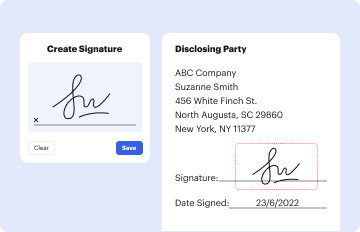
- Signatures: Both parties must sign the contract, indicating their agreement to abide by its terms.
Practical Example
Consider a family hiring a live-in nanny. The contract should specify duties such as childcare responsibilities, including meal preparation and educational activities, and these must be agreed upon in writing.
Steps to Complete the Domestic Worker Employment Contract
Completing this contract involves several key steps, each critical to ensuring that the document is both legally binding and mutually beneficial.
- Personal Information: Enter the full legal names and addresses of both the employer and the employee.
- Detailed Job Description: Outline the specific tasks and expectations of the domestic worker's role.
- Compensation Details: Clearly state the salary or hourly wage, including any additional benefits or allowances.
- Working Hours: Specify exact working hours, days off, and holiday entitlements.
- Dispute Resolution: Include a mechanism for resolving disagreements to avoid potential conflicts.
Potential Obstacle
A common hurdle is unclear duty descriptions, which can lead to disputes. Ensure all tasks are comprehensively listed and explained.
Key Elements of the Domestic Worker Employment Contract
There are several critical elements that must be present in a well-structured Domestic Worker Employment Contract.
Essential Components
- Employer and Employee Information: Lists names, contact details, and any relevant identification numbers.
- Job Responsibilities and Scope: Defines the duties and expectations of the domestic work to be performed.
- Duration and Renewal Terms: Specifies whether the contract is on a fixed term or renewable basis.
- Compensation Package: Details on payment methods, frequency, and additional incentives such as bonuses or reimbursements for work-related expenses.
Important Considerations
Including clauses that address non-discriminatory practices and an acknowledgment of the worker's rights can significantly enhance the contract's fairness and legal standing.
Legal Use of the Domestic Worker Employment Contract
The Domestic Worker Employment Contract is not just a formal agreement but a legal document with significant implications.
Federal and State Legislation
- Compliance with Labor Laws: Must adhere to federal laws such as the Fair Labor Standards Act, which addresses minimum wage and overtime pay.
- State-Level Regulations: Each state may have specific requirements regarding paid leave, break periods, and termination notices.
Maintaining Legal Integrity
Ensuring the contract is compliant with both federal and state regulations helps avoid legal disputes and is crucial for maintaining a fair employment relationship.
State-Specific Rules for the Domestic Worker Employment Contract
The implementation of this contract can vary significantly depending on state laws.
Examples of Variations
- California: Requires specific protections for domestic workers, including overtime rates and meal breaks.
- New York: Offers the Domestic Workers Bill of Rights, which provides comprehensive protections such as paid days of rest and protection from discrimination.
Understanding Local Nuances
Employers should consult state labor offices or legal experts to understand how state-specific laws apply to their contracts, ensuring both legality and fairness in domestic worker agreements.
Examples of Using the Domestic Worker Employment Contract
Real-world scenarios illustrate how this contract can be applied effectively.
Case Study: Live-In Caregiver
A family employs a caregiver to assist an elderly family member. The contract includes clauses about room and board, specific care duties, and designated personal time for the caregiver.
Case Study: Part-Time Housekeeper
In a case where a household hires a housekeeper to work twice a week, the contract specifies daily tasks, protocol for accessing the home, and procedure for rescheduling or additional hours.
Important Terms Related to the Domestic Worker Employment Contract
Understanding the terminology used in the contract is crucial for both employers and employees.
Key Terms
- Wages: The regular payment for domestic work, defined on an hourly or salary basis.
- Overtime: Compensation for hours worked beyond the agreed standard working hours.
- Confidentiality Clause: A commitment to maintain privacy regarding personal or sensitive information encountered during employment.
These terms are vital in setting clear expectations and understanding the employer’s obligations and the worker's rights under the contract.