




Definition and Meaning of the Third Party Authority Form
The Third Party Authority Form is a legal document used to authorize an individual (the Authorized Person) to act on behalf of another in dealings with specific entities or accounts. This form is essential for facilitating communication and decision-making processes, particularly when the account holder is unable to manage these interactions directly. By granting such authority, the authorized individual gains access to the necessary information to take action as per the account holder’s instructions.
In practical scenarios, this form can be used for purposes such as managing a client's healthcare information, handling financial accounts, or dealing with service providers. Depending on the specifics of the authorization, the granted powers could range from accessing information to making decisions on behalf of the principal party.
How to Use the Third Party Authority Form
Understanding how to effectively utilize the Third Party Authority Form is pivotal for ensuring its legality and efficiency. Users should begin by carefully reading the instructions provided with the form. Each concerned party's information must be accurately entered, including personal identifiers like names, addresses, and contact numbers.
- Precision in details: Ensure every section of the form is filled with exact and verifiable data. Any inconsistencies or errors might lead to the form being rejected.
- Scope of authorization: Clearly define the extent of authority being granted, such as limited access to information or full decision-making powers.
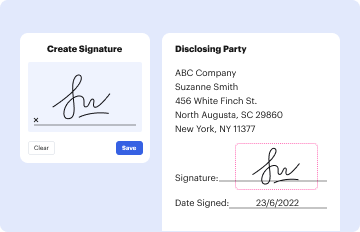
- Signatures: Both the account holder and the Authorized Person must sign the document to validate the authorization.
How to Obtain the Third Party Authority Form
The method for obtaining the Third Party Authority Form can vary based on the institution or entity requiring it. Typically, forms can be accessed through:
- Online downloads from the official website of the institution.
- Direct requests via mail or phone from the company's customer service.
- In-person visits may also facilitate acquiring the appropriate version of the form.
It's advisable to check with the specific entity to understand their preferred method of distribution and any additional requirements they might have.
Steps to Complete the Third Party Authority Form
Completing the Third Party Authority Form requires attention to detail and adherence to the stipulated guidelines:
- Reviewing Instructions: Begin by reading through the form’s instructions to understand necessary details and requirements.
- Filling Out Personal Information: Enter the full details of both parties involved—the principal and the Authorised Person.
- Defining Authorization Scope: Clearly outline what authority the Authorized Person will have and over which accounts.
- Signatures and Verification: Secure signatures from both parties and notarize if required by the issuing institution.
- Submitting the Form: Once completed and verified, submit the form through designated methods, which might include online submission, mailing a hard copy, or delivering it in person.
Importance of the Third Party Authority Form
The Third Party Authority Form plays a crucial role in various situations where individuals need to delegate authority. It promotes efficiency in managing affairs that the principal party may be unable to handle themselves, either due to absence or incapacity.
- Healthcare Management: Allows family members to access medical records or coordinate care on behalf of a relative.
- Financial Aggregation: Enables a financial advisor to oversee investments and manage assets effectively.
- Legal Representation: Permits lawyers to act in legal capacities for their clients, ensuring proper advocacy and representation.
Who Typically Uses the Third Party Authority Form
The form is widely used across various sectors and by different individuals:
- Elderly individuals who need someone they trust to handle personal matters.
- Business owners delegating authority to managers or partners to manage specific business operations.
- Parents authorizing access to information regarding their children’s education or healthcare.
- Travelers or ex-pats who may require someone to manage their affairs while abroad.


Important Terms Related to the Third Party Authority Form
Familiarity with key terms ensures appropriate and informed use of the Third Party Authority Form:
- Principal: The individual granting authority to another party.
- Agent: The Authorized Person who is delegated to act on behalf of the principal.
- Scope of Authority: The specific rights and actions the agent is allowed to undertake.
- Revocation: The process by which the principal can cancel the authorization.
Understanding these terms is essential for clear communication and ensures all parties are aware of their roles and responsibilities.
Legal Use of the Third Party Authority Form
The Third Party Authority Form must be used within legal confines to ensure it is binding and enforceable. Each form encompasses conditions that align with legal standards, such as consent validity and scope limitations.
- Compliance with ESIGN Act: Electronic submissions of the form may need to comply with the Electronic Signatures in Global and National Commerce Act for legality.
- State Laws: Be aware of state-level regulations that may affect the enforcement or structure of the authorization.
Having knowledge of these legal parameters ensures that the form is recognized and honored by all involved parties.