






Definition & Meaning
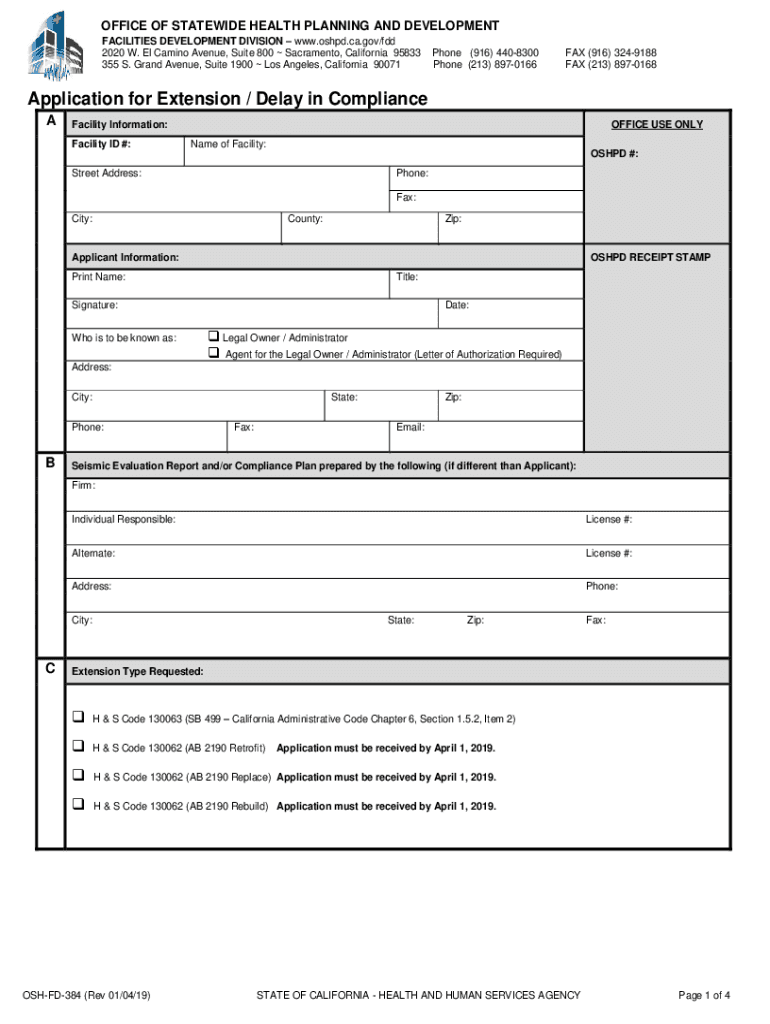
The California Seismic Compliance Extension Application is a crucial form designed to manage compliance timelines related to seismic retrofitting requirements in California. This form allows property owners to request an extension for meeting the state-mandated seismic safety standards, ensuring that buildings can withstand earthquake forces. The application plays an essential role in facilitating a structured process for property owners who need additional time to implement necessary retrofitting measures. In essence, it serves as a bridge between regulatory obligations and practical implementation capabilities.
Context and Purpose
- Seismic Retrofitting: California law mandates that certain buildings, particularly those deemed vulnerable to seismic events, undergo retrofitting to enhance their structural resilience.
- Compliance Extensions: The application provides a mechanism for requesting additional time beyond the standard deadlines to complete retrofitting, acknowledging the complexities and financial implications involved in such endeavors.
How to Use the California Seismic Compliance Extension Application
Effectively utilizing the California Seismic Compliance Extension Application involves understanding the specific requirements and preparations necessary to complete the form accurately and submit it on time.
Step-by-Step Usage Guide
- Review Eligibility: Determine if your property qualifies for a compliance extension based on state criteria.
- Gather Necessary Information: Collect information regarding your building's current compliance status and the specific reasons necessitating an extension.
- Complete the Form: Enter all requested details accurately, including building identification, owner information, and justification for the extension.
- Attach Supporting Documents: Include any relevant reports, contractor estimates, and evidence demonstrating the need for an extension.
- Submit the Application: Choose a suitable submission method, either online, by mail, or in person at the designated state office.
Who Typically Uses the California Seismic Compliance Extension Application
The application is utilized by a diverse range of stakeholders who are responsible for maintaining the structural integrity of buildings in California.


Primary Users
- Property Owners: Individuals or corporations who own buildings subject to seismic safety laws.
- Property Managers: Professionals managing properties on behalf of owners and coordinating compliance activities.
- Construction Companies: Engaged in the retrofitting process, often involved in providing timelines and cost estimates as part of the application.
Steps to Complete the Application
Completing the application requires a methodical approach to ensure all sections are accurately filled.
- Personal and Property Information: Enter the owner's contact details and the exact location of the property.
- Current Compliance Status: Provide a summary of any existing retrofitting efforts and current compliance levels.
- Extension Justification: Clearly outline the reasons for needing additional time, such as financial constraints or construction delays.
- Plan and Schedule: Submit a proposed timeline for achieving full compliance, including start and finish dates for planned retrofitting.
- Certification and Signature: Conclude with the owner or authorized representative's signature, attesting to the accuracy of the information.
Important Terms Related to the California Seismic Compliance Extension Application
Understanding key terms associated with this application aids in accurate completion and compliance with requirements.
Key Terminology
- Seismic Retrofitting: Strengthening existing buildings to make them more resistant to seismic activities.
- Compliance Deadline: The officially set time limit by which retrofitting must be completed to meet legal standards.
- Structural Analysis Report: A document detailing the current state of the building and the proposed retrofitting measures.
Legal Use of the California Seismic Compliance Extension Application
The application must be used following strict legal guidelines to ensure validity and acceptance.
Legal Considerations
- Timely Submission: Adherence to deadlines for filing the application is crucial to prevent penalties or forced compliance actions.
- Honest Representation: All provided information must be accurate and truthful, with supporting documents to validate claims.
- Confidentiality: Personal and property information is protected under state privacy laws and should be handled accordingly.
Key Elements of the California Seismic Compliance Extension Application
The application consists of several critical elements that must be correctly addressed to ensure it's considered by the evaluating authority.
Essential Sections
- Applicant Details: Information on both the property owner and any third-party representatives.
- Property Details and History: Comprehensive data on property's historical compliance efforts and inspection results.
- Extension Request Rationale: A well-documented explanation with verifiable reasons for seeking an extension.
State-Specific Rules for the California Seismic Compliance Extension Application
Regulations regarding seismic compliance extension requests are tailored to address state-specific needs.
State Regulations
- California Building Code: These codes outline the technical standards for retrofitting and compliance.
- Regional Seismic Activity: Different areas in California have varying seismic risk profiles which influence compliance requirements and deadlines.
- Financial Assistance Programs: Some state-sponsored programs offer financial aid to property owners for retrofitting purposes, potentially influencing the need for an extension.
Examples of Using the California Seismic Compliance Extension Application
Practical examples help illustrate how this application is effectively used by property owners facing unique challenges.
Scenario Examples
- Historic Buildings: Owners of historic buildings often encounter specific architectural challenges that necessitate longer retrofitting times.
- Resource Constraints: Smaller property owners might face financial hardship, requiring more time to secure funds and engage contractors for retrofitting.
- Natural Disasters: Unforeseen events like recent earthquakes may delay compliance efforts, justifying the need for an extension.