




01. Edit your form online
Type text, add images, blackout confidential details, add comments, highlights and more.

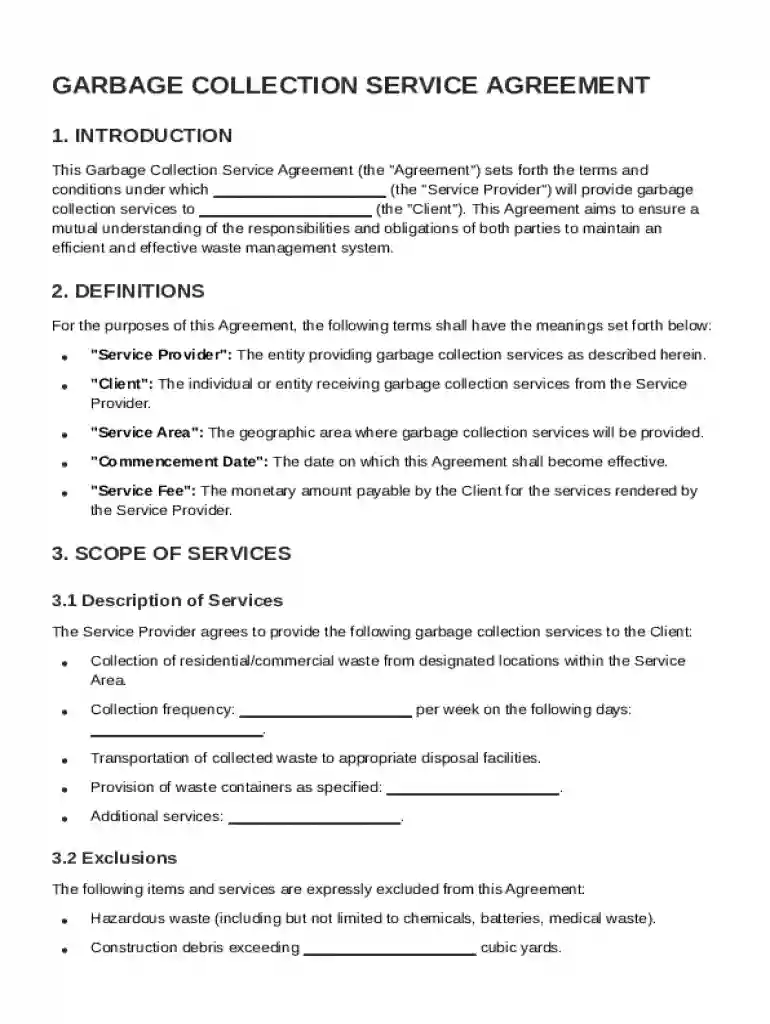
Type text, add images, blackout confidential details, add comments, highlights and more.

Draw your signature, type it, upload its image, or use your mobile device as a signature pad.

Send it via email, link, or fax. You can also download it, export it or print it out.
The Garbage Collection Contract Template serves as a formal agreement outlining the terms and conditions for garbage collection services offered by a service provider to a client. This document aims to set clear, mutual expectations regarding the scope of services, payment structures, responsibilities, and other key facets of the arrangement. By formalizing these aspects, both parties can ensure a shared understanding of obligations and rights, minimizing the risk of disputes and fostering a professional and compliant service delivery.
Scope of Services: This section defines the services that the provider will deliver, addressing the frequency, method, and extent of garbage collection activities. Clear delineation of the scope helps avoid ambiguities and ensures both parties have a transparent understanding of the expected services.
Payment Terms: Outlines the financial aspects, including rates, billing frequency, and payment methods. It might also include terms for late payments and potential penalties, ensuring both parties have a clear understanding of financial obligations.
Responsibilities of Parties: Clearly outlines the duties of both the service provider and the client. This includes maintaining equipment, timely payment, and ensuring the accessibility of waste for collection. This section is crucial for accountability.
Compliance with Laws: Specifies the requirement for both parties to adhere to all relevant municipal, state, and federal waste management regulations. Compliance prevents legal issues and ensures services are safely and ethically provided.
Indemnification: Addresses liability issues, stipulating that each party will protect the other from potential legal claims or damages arising from noncompliance or negligence.
Dispute Resolution: Provides mechanisms for resolving conflicts, such as mediation or arbitration, fostering an environment where disputes are settled amicably and cost-effectively.
Confidentiality: Details any confidentiality obligations regarding any sensitive information exchanged during the term of the agreement, protecting both parties' proprietary information.
Using this template involves several straightforward steps:
Download the Template: Obtain a copy from a trusted source, ensuring it aligns with current legal standards and includes all necessary sections.
Customize to Your Needs: Tailor the template to reflect specific details, such as the names of parties, service specifications, payment terms, and relevant dates.
Review Carefully: Both parties should review the document thoroughly to ensure accuracy and completeness, possibly consulting legal professionals for assurance.
Finalize and Sign: Once both parties are satisfied with the terms, sign the agreement, with each party retaining a copy for record-keeping and future reference.
This template is commonly utilized by a variety of stakeholders:
Municipalities: Often engage waste management companies to handle local garbage collection services.
Commercial Entities: Businesses requiring regular waste disposal services rely on these contracts to formalize services with providers.
Residential Complexes: Condominium associations and landlords use these agreements to ensure waste management services are properly documented and professionally managed.


This template is legally binding once executed by all parties involved. It is essential to use this document in accordance with applicable state and federal laws to ensure its enforceability. If uncertainties arise, seek legal counsel to adjust the template to meet legal requirements and protect the interests of all parties involved.
State regulations can significantly impact the structure and enforceability of garbage collection contracts:
Licensing Requirements: Confirm that the service provider holds all required licenses for operating in a specific state.
Environmental Compliance: Some states mandate specific collection or disposal methods to meet environmental standards, which should be addressed in the agreement.
Local Ordinances: Municipal rules may affect service logistics, such as collection times and routes, necessitating explicit inclusion in the contract.
Enter Party Information: Begin by filling out names and addresses for both the service provider and the client.
Define Service Details: Clearly specify the scope, frequency, and intricacies of the garbage collection services.
Outline Payment Information: Insert agreed-upon rates, due dates, and preferred methods of payment.
Set Legal Provisions: Include necessary legal clauses such as indemnification, dispute resolution, and confidentiality terms.
Review and Modify if Needed: Ensure all information is correct and understandable before finalizing.
Sign and Date: Both parties should sign and date the contract, formalizing the agreement.
Understanding the following terms ensures better comprehension and execution of the contract:
Service Provider: The entity responsible for delivering the garbage collection services.
Client: The party receiving and potentially paying for the services rendered.
Indemnification: A contractual obligation by one party to compensate the other for any loss or damage arising from specific events.
Confidentiality: Ensure any sensitive business information disclosed is protected from unauthorized access or use.
Dispute Resolution: Processes or methods outlined to resolve disagreements over contract terms without litigation.
By thoroughly understanding and utilizing the Garbage Collection Contract Template, parties can secure a clear, formal agreement that ensures all facets of waste management services are appropriately documented and agreed upon.
At DocHub, your data security is our priority. We follow HIPAA, SOC2, GDPR, and other standards, so you can work on your documents with confidence.


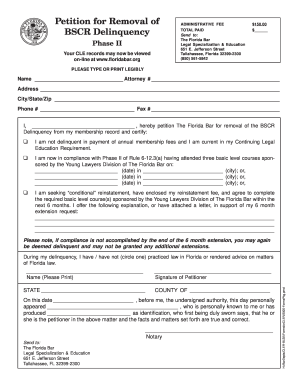
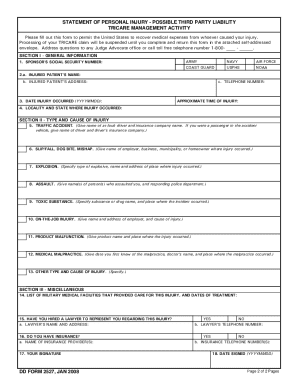


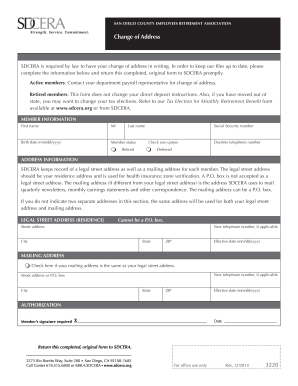
This agreement covers exclusive solid waste handling services, including locking bins, roll-off box service, bulky waste pick-up, recycling, and organic
CU Project Manager must submit this completed form to CU Environmental Health and Safety Office before start of work and before the first payment will be made.
May 20, 2016 In USPS-operated buildings, refuse (trash or garbage) removal will normally be accomplished by contract. Where unusual operating requirements or


