




01. Edit your form online
Type text, add images, blackout confidential details, add comments, highlights and more.

Type text, add images, blackout confidential details, add comments, highlights and more.

Draw your signature, type it, upload its image, or use your mobile device as a signature pad.

Send it via email, link, or fax. You can also download it, export it or print it out.
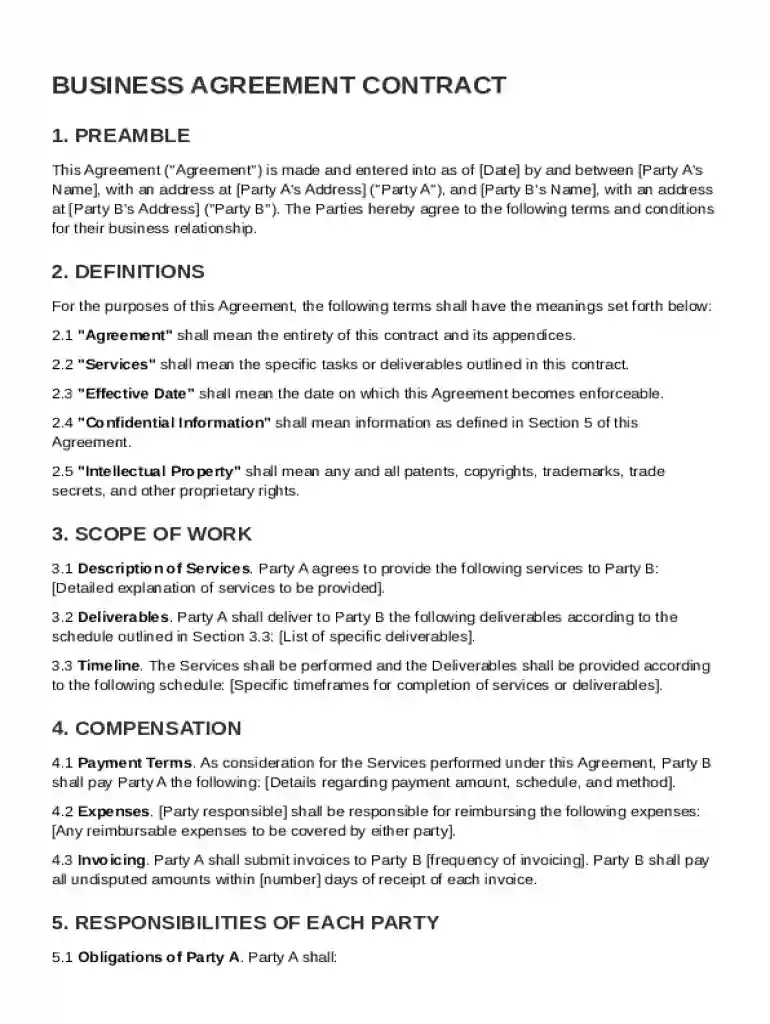
A Business Example Contract Template is a predefined format used to create agreements between two parties in a business relationship. This template serves as a comprehensive guide, covering essential elements like the scope of work, compensation terms, and responsibilities. By utilizing such a template, businesses can ensure consistency and legal compliance in documenting their agreements. Not only does it outline the foundational terms for services exchanged, but it also provides a clear structure for key clauses like confidentiality, dispute resolution, and intellectual property rights.
These sections aid in creating a legally binding document that minimizes ambiguity and protects the interests of both parties.
Utilizing a Business Example Contract Template involves several steps that ensure the document meets the specific needs of the parties involved.
By following these steps, businesses can create a tailored contract that aligns with their strategic objectives and complies with legal standards.
Understanding the key terms frequently found in a Business Example Contract Template helps parties accurately interpret their agreements. Some of these terms include:
Grasping these terms can aid in crafting contracts that not only provide comprehensive coverage but also anticipate potential issues.
When employing a Business Example Contract Template, adherence to legal norms is critical. The template is designed to conform to general U.S. contract law, but attention must be paid to state-specific directives, where applicable.
Following these legal guidelines ensures that the contract is enforceable and less likely to be subject to disputes.
A robust Business Example Contract Template comprises several critical elements, ensuring both completeness and clarity. These elements include:
By incorporating these elements, parties can create a comprehensive document that clearly delineates expectations and responsibilities.
Completing a Business Example Contract Template involves methodically filling out each section to ensure accurate representation of the agreement.
Adhering to this process ensures that the contract is both comprehensive and tailored to the specific agreement.
Businesses across various sectors leverage this template to formalize various agreements.
These examples illustrate the template's versatility across different business scenarios.
While this template is versatile, some state-specific rules may apply, affecting how the contract should be structured and executed.
Understanding these nuances is crucial for creating contracts that are both effective and legally defensible across different jurisdictions.
At DocHub, your data security is our priority. We follow HIPAA, SOC2, GDPR, and other standards, so you can work on your documents with confidence.


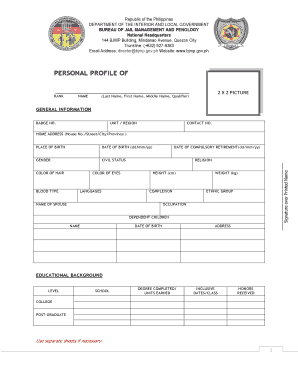

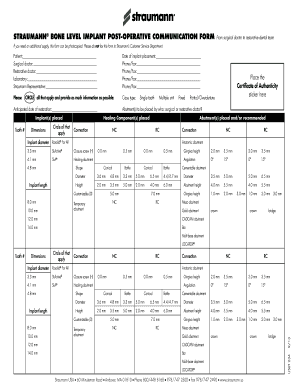
Contract Templates. Services Agreements Interagency Cooperation Contracts Interlocal Cooperation Contracts Hotel Agreement Speaker Agreements
Mar 24, 2022 Discover the essential components of a robust consulting agreement. Learn how to create a solid contract with these 12 key elements.
Contractor shall assure compliance with the DBE Program when subcontracting, which includes, along with disadvantaged business enterprises, minority and womens.


