Definition and Purpose of a Chore Chart Template
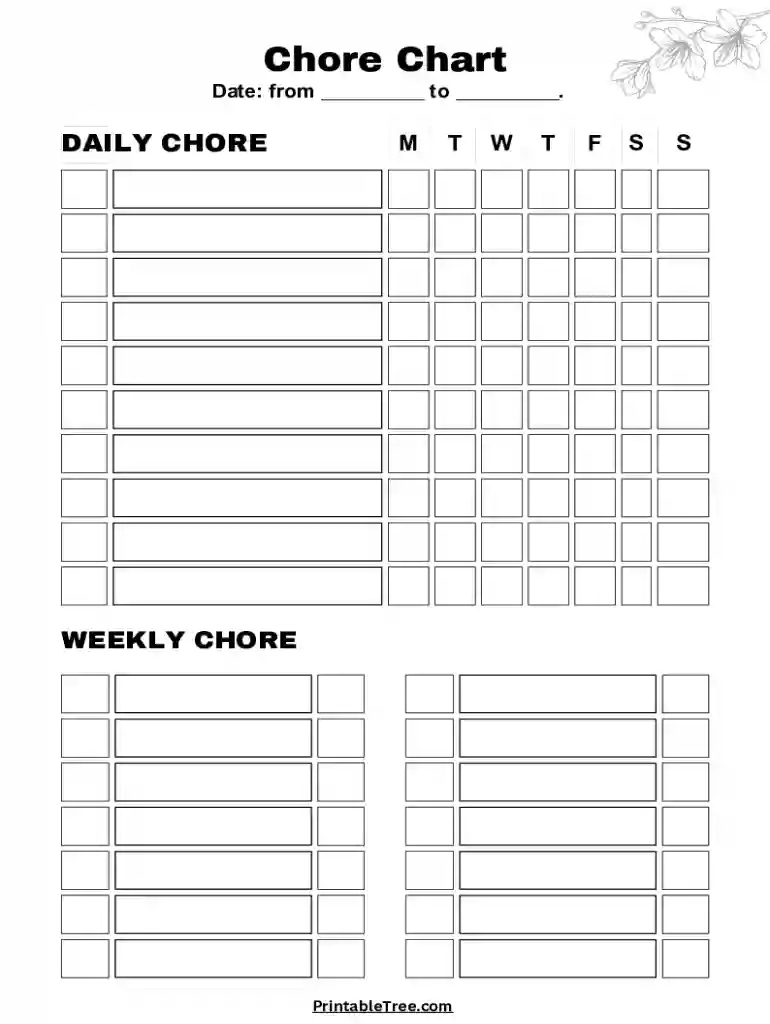
A chore chart template is a structured tool used to allocate and track household tasks. Its primary function is to establish clarity and accountability within a household or group setting by visually representing responsibilities. Chore charts can vary widely in design, but they generally include columns or rows for task assignments, specific days or periods, and individuals responsible for completing the duties. The template can serve both educational and organizational purposes, teaching time management and the importance of shared responsibility.
Chore charts are versatile, used by families, roommates, or even small community living settings to streamline task allocation and ensure all necessary chores are completed timely. By providing a communal overview, these templates help reduce disputes about who should do what, ultimately fostering a cooperative environment.
Key Components of a Chore Chart Template
A well-crafted chore chart template features essential components to ensure its effectiveness and useability. The primary components typically include:
- Task List: A comprehensive list of chores that need to be completed on a regular basis. Common tasks might include cleaning, cooking, taking out the trash, or specific room maintenance.
- Assignment Column or Row: Designated sections for each household member's name, allowing for clear task distribution.
- Schedule or Calendar: This part outlines the frequency of each chore, whether daily, weekly, or monthly, and helps individuals track when tasks should be performed.
- Status Indicators: Areas where individuals can mark tasks as complete, often using checkboxes or signature fields to ensure tasks are acknowledged and verified by all parties.
- Additional Notes or Comments Section: Provides space for noting any specific instructions or reminders related to tasks, such as allergies affecting certain cleaning products or rotation schedules.
How to Use the Chore Chart Template
Utilizing a chore chart template effectively requires proper setup and consistent usage. Here’s a step-by-step guide:
- Customize the Template: Begin by tailoring the template to reflect the specific needs of your household. This may involve adding or removing tasks, adjusting the frequency of chores, and inserting household member names.
- Assign Tasks: Clearly designate responsibilities by assigning each chore to a specific individual. Consider rotating chores to ensure fairness and variety.
- Establish a Routine: Set expectations regarding when and how tasks need to be completed. Include clear guidelines for what constitutes a ‘completed’ task.
- Regular Review: Hold regular meetings or check-ins to assess the functionality of the chore chart. Discuss any challenges encountered and make necessary adjustments to assignments or schedules.
- Incorporate Feedback: Encourage household members to provide feedback on the effectiveness of the chore chart and be open to modifying it to improve cooperation and satisfaction.
Benefits of Using a Chore Chart Template
Implementing a chore chart template offers numerous advantages:
- Promotes Organization: Helps keep household tasks organized and prevents the overlapping of responsibilities.
- Enhances Accountability: Assigns clear tasks to each individual, minimizing ambiguity and ensuring accountability.
- Encourages Time Management: Aids in teaching individuals how to manage their time efficiently by fitting household responsibilities into their schedules.
- Facilitates Communication: Provides a platform for discussing the division of labor and instances of uncompleted tasks, leading to more open communication.
- Fosters Teamwork: Encourages collaboration and a collective approach to maintaining a clean and functional living environment.
Who Typically Uses a Chore Chart Template
Chore chart templates are widely used across multiple contexts, although they are most common in family households. Parents often introduce these charts as educational tools to teach children responsibility and the importance of contributing to family duties. Additionally:
- Roommates: In shared accommodations, chore charts help divide household tasks equitably, ensuring that all residents contribute to maintaining common areas.
- Educational Institutions: Some schools and daycare centers utilize chore charts to teach students about responsibility and task management within classroom settings.
- Community Living Spaces: In cooperative living environments, such as dormitories or group homes, chore charts help coordinate shared duties among residents.
Examples of Using a Chore Chart Template
A variety of real-world applications demonstrate the versatility of chore chart templates:
- Family Household: A family uses a chore chart to designate dishwashing, vacuuming, and pet care tasks to children, rotating responsibilities weekly to teach different skills.
- College Dormitory: Students create a chore chart to manage cleaning shared bathrooms and kitchen areas, ensuring everyone contributes fairly to maintaining a clean space.
- Summer Camp: Counselors use chore charts to assign camp maintenance tasks, like trash collection and dining hall cleanup, to campers, instilling a sense of community and teamwork.
Variations and Alternatives to Chore Chart Templates
While standard chore charts are prevalent, variations and digital alternatives can be considered to better suit specific needs:
- Digital Chore Charts: Apps and online platforms offer dynamic chore charts that send reminders and track completion status in real-time. These are ideal for tech-savvy households.
- Magnetic Boards: Some prefer physical magnetic boards for their visual appeal and the tactile interaction of moving magnets to indicate task completion.
- Customizable Templates: Specific templates can be designed for different living situations, allowing for more personalized task distribution, such as charts focusing on pet care or outdoor maintenance.
In conclusion, chore chart templates are practical tools that provide structured approaches to household task management. By incorporating clear task allocations, schedules, and accountability mechanisms, they help streamline daily operations and foster cooperative living environments.