






Definition and Meaning of Form Online
The term "form online" refers to the electronic version of any document or application form traditionally completed in paper format. Online forms are designed to be filled out digitally and submitted through the web, streamlining data collection and processing. These forms eliminate the need for physical paperwork, providing a more efficient way to gather information, request services, or fulfill regulatory requirements. Unlike traditional forms, online forms often come with interactive elements such as dropdown menus, checkboxes, and digital signature fields, making them user-friendly and accessible across different devices.
How to Use Online Forms
Using online forms involves several straightforward steps that enhance user experience and efficiency. Firstly, locate the form through a web search or by navigating directly to the organization's website offering the form. Once there, read any instructions provided to understand the form's purpose. Fill in the required fields using interactive elements like text boxes and dropdown menus. Before submission, review the entered information for accuracy. Online forms may offer features like saving progress and returning later to complete it, making them flexible for users. Submission typically involves clicking a "Submit" button, after which users might receive a confirmation email or a reference number for tracking purposes.
How to Obtain a Form Online
To obtain an online form, start by visiting the website of the entity issuing the form, such as a government agency, educational institution, or company. Forms are usually located under sections like "Resources," "Forms," or "Documents." Some websites might require users to create an account or log in before accessing forms. Once identified, forms can often be downloaded in PDF or DOC format for offline completion or filled directly within the browser through an interactive interface. When opting for an interactive form, ensure a stable internet connection to avoid data loss during the process.
Steps to Complete the Form Online
Completing an online form involves a series of methodical steps to ensure thoroughness and accuracy:
-
Access the Form: Navigate to the form's webpage and click on the link to open it.
-
Read Instructions: Carefully go through any guidelines to understand what information is required and submission deadlines.
-
Fill Required Fields: Input your data into designated fields, which might include text input, multiple-choice options, and date selectors.
-
Verify Information: Check entered details for errors or omissions to ensure accuracy.
-
Attach Necessary Documents: Upload any additional files required for the form, such as identification documents or supporting evidence.
-
Submit the Form: Complete the process by confirming submission, often marked by receiving a submission confirmation notice or reference ID.
-
Retrieve Receipt: Store any digital receipt or confirmation email for future reference or verification.
Key Elements of the Form Online
Online forms are composed of essential elements that enhance functionality and user interaction:
-
Interactive Fields: Text boxes, checkboxes, and radio buttons allow for easy data entry.
-
Instructions and Help Icons: Provide clarity and support if the user encounters confusion while completing the form.
-
Validation Features: Automatically check inputs for correct format, ensuring data integrity.
-
Progress Indicators: Display completion percentage to keep users informed about their progress.
-
Save and Return Option: Give users the ability to save their progress and complete the form at a later time.
-
Submission Confirmation: Offer clear indications of successful submission, such as confirmation screens or email confirmations.
Legally Compliant Use of Form Online
Many online forms require adherence to legal standards to ensure compliance:
-
Digital Signatures: Utilized to authenticate signed portions of a document, equivalent to handwritten signatures under acts like the ESIGN Act.
-
Privacy Policies: Clearly outlined to inform users of how their data will be used and protected, complying with regulations like GDPR or CCPA.
-
Terms of Use: Must be acknowledged by users to proceed, ensuring they understand the form's legal implications and conditions.
-
Secure Submission Channels: Employ HTTPS and encryption protocols to protect sensitive data during transmission.
Software Compatibility for Form Online
Online forms should be compatible with various software systems to maximize accessibility and efficiency:
-
PDF Editors: Allow users to fill out and save forms digitally, like Adobe Acrobat or DocHub.
-
Browser Compatibility: Ensure forms are usable across major web browsers, such as Chrome, Firefox, Safari, and Edge, without functionality loss.
-
Cloud Integration: Seamless connectivity with platforms like Google Drive, Dropbox, or OneDrive for storing and retrieving form data.
Examples of Using a Form Online
Online forms cater to a diverse array of scenarios, providing specific examples of their application:
-
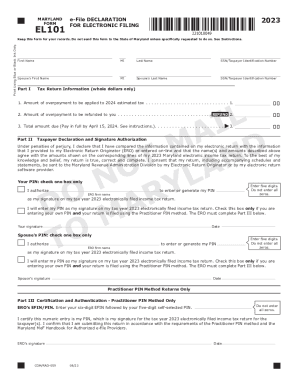
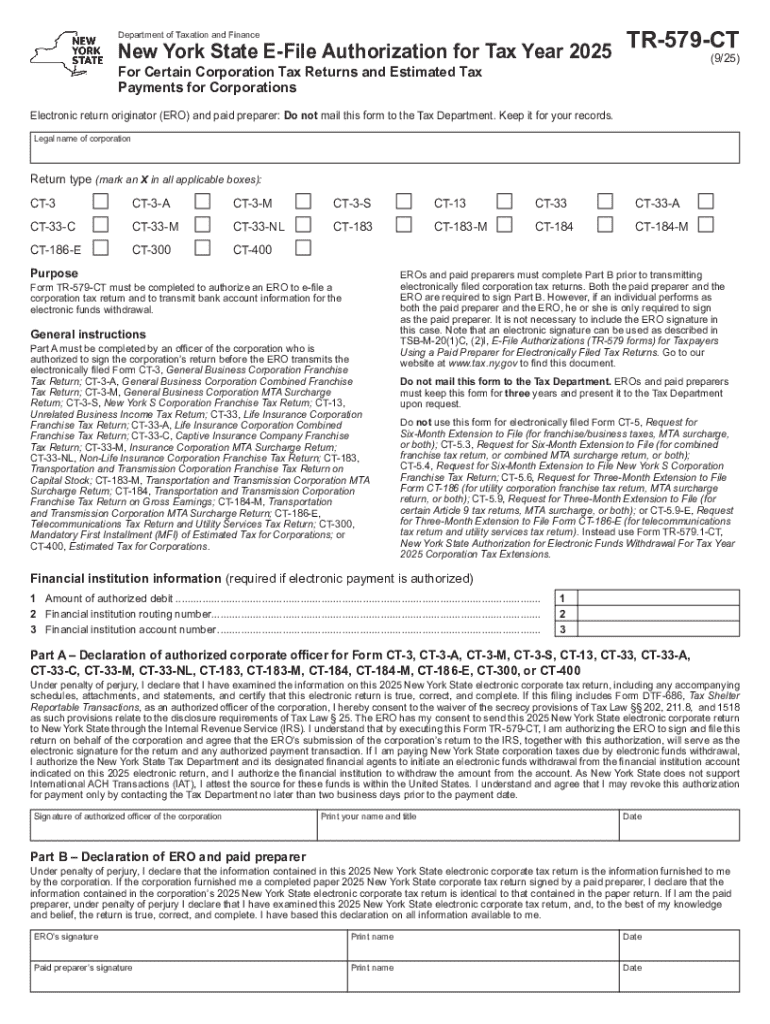
Tax Filings: Individuals can fill out tax forms like the IRS W-9 or 1040 online for efficient submission.
-
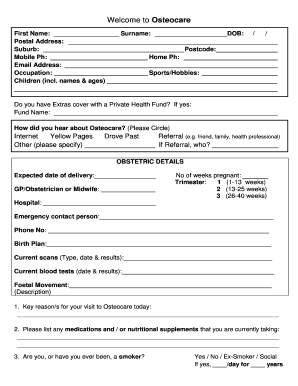
Job Applications: Companies often employ online forms for applicants to submit resumes and complete personal data.
-
Event Registrations: Used by organizations to gather participant information for conferences, workshops, or community events.
-
Customer Feedback: Businesses implement forms to collect customer reviews and improve services.
-
Service Requests: Government entities and utility companies use them for residents to apply for permits or report issues.