




Definition and Meaning of Online Forms
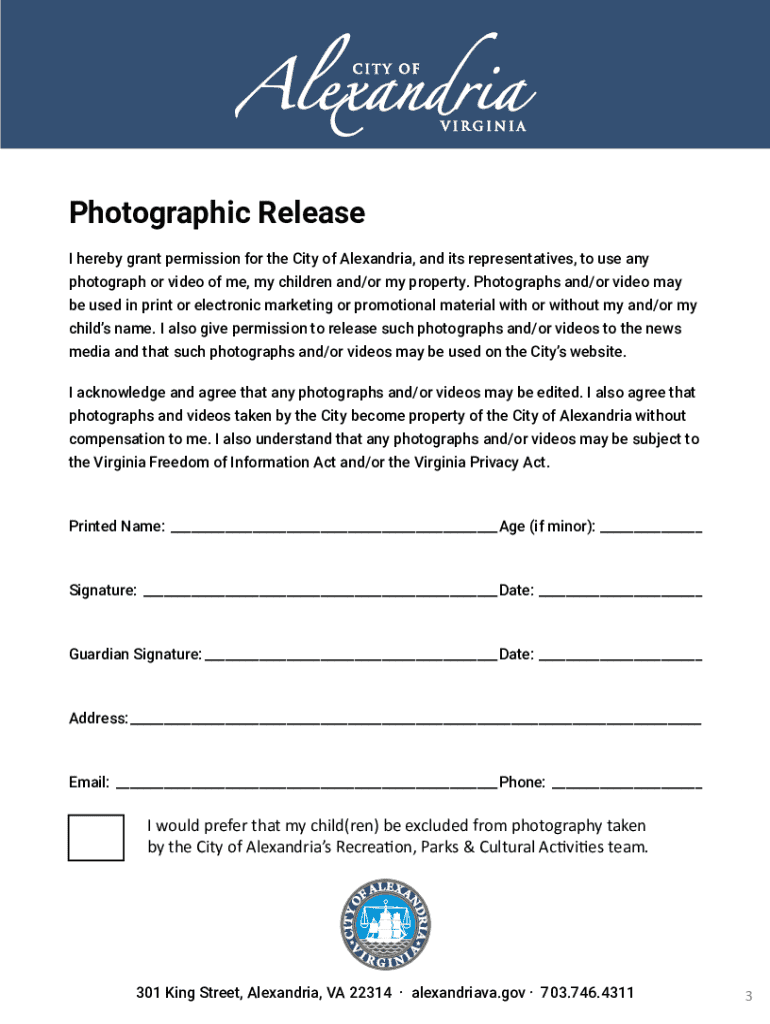
Online forms refer to digital documents crafted to collect and process data electronically, allowing users to input information through internet-enabled devices. These forms can serve various purposes, including applications, registrations, surveys, and other data collection activities, streamlining processes that traditionally required physical paperwork.
- Online forms are widely used in both personal and professional settings for applications, feedback, and surveys.
- They come in user-friendly formats, making it easy for individuals to complete and submit information efficiently.
- Organizations implement online forms to enhance accuracy in data collection and reduce processing time.
Online forms support various input fields, such as text boxes, drop-down menus, and checkboxes, making them adaptable for different data types. Platforms like DocHub provide tools to create and customize these forms easily to suit specific needs.
How to Use Forms Online
The utilization of forms online involves several key steps that ensure their effective execution:
- Accessing the Form: Forms can be accessed via email, websites, or directly through links provided by the organization.
- Filling Out the Form: Users enter their data within designated fields, carefully following instructions to ensure accuracy and completeness.
- Review and Edit: Most online forms allow users to review entries and make necessary edits before submission.
- Submission: Once completed, users submit the form by clicking a designated button, often labeled "Submit" or "Send."
Dynamic forms can include features like auto-save, which prevents the loss of entered data if the process is interrupted. DocHub enhances form usability by allowing users to save partially completed forms and resume later.
Steps to Complete an Online Form
Completing an online form involves a structured process to ensure all required information is accurately provided:
- Read Instructions Carefully: Understand the purpose and requirements of the form before beginning.
- Gather Necessary Information: Ensure you have all required documents and data on hand before starting the form.
- Enter Data in Designated Fields: Use input fields designed for specific data types, such as text, numbers, or dates.
- Check for Mandatory Fields: Ensure all required fields are filled, as these are typically a prerequisite for form submission.
- Review Entries: Double-check all entered information for correctness and completeness.
- Submit the Form: Finalize the process by submitting the form through the provided button.
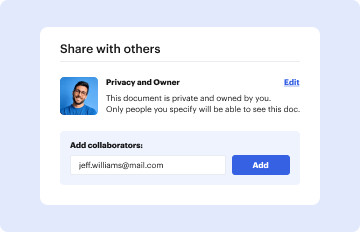
DocHub’s platform ensures ease of use with intuitive interfaces and allows for collaboration, letting users share the form with others for joint completion and review.
Benefits of Using Online Forms
Adopting online forms provides several advantages, particularly in terms of efficiency and accessibility:
- Time Efficiency: Online forms reduce the time needed to collect and process data, as they are quicker to complete than traditional paper forms.
- Enhanced Accuracy: Automated data validation helps minimize errors, ensuring more accurate data collection.
- Environmental Impact: Reducing paper usage contributes positively to environmental conservation efforts.
- Accessibility: Forms can be accessed and completed from any location with internet connectivity, providing flexibility for users.
Online forms are becoming essential across various sectors, including education, healthcare, and corporate settings, facilitating streamlined workflow processes.
Key Elements of an Online Form
Several essential components define the structure and functionality of an online form:
- Input Fields: These include text boxes, checkboxes, radio buttons, and dropdown menus for data entry.
- Instructions and Labels: Clear guidance on how to fill out each section ensures users understand the form's requirements.
- Submit Button: Used to finalize and submit the form once all fields are completed.
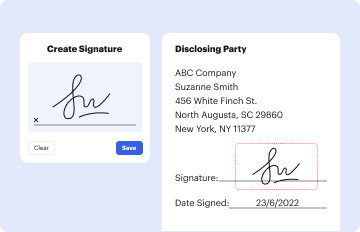
- Optional Features: These include file uploads, signature fields, and interactive elements like date pickers.
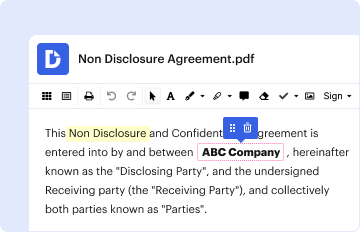
DocHub supports the creation of dynamic forms, allowing users to add or modify fields to suit specific data collection needs within their organization.
Creating and Managing Fillable Forms
Managing fillable forms involves designing templates that streamline data collection and enhance efficiency:
- Customizable Templates: Create forms with customizable templates that include text input, multiple-choice questions, and sections for additional comments.
- Fillable Fields: Ensure forms include appropriately labeled fields for all necessary information to guide users effectively.
- Validation Rules: Implement rules that check for data integrity and completeness before submission, reducing errors.
DocHub simplifies this process by allowing users to convert existing documents into fillable templates, reducing the time spent on form creation.
Examples of Using Forms Online
Online forms find application in various scenarios, offering flexibility and efficiency:
- Job Applications: Candidates complete forms with personal and professional details as part of recruitment processes.
- Feedback Surveys: Organizations use online forms to gather customer feedback, contributing to improved products and services.
- Registration Forms: From event sign-ups to school enrollments, these forms streamline registration processes by allowing digital submission.
Each of these examples illustrates how online forms enhance user experience by offering convenient, rapid, and reliable data collection methods.
Legal Use of Online Forms
The legality of online forms is supported by legislation such as the ESIGN Act, which ensures that digital signatures and records have the same legal standing as their paper counterparts:
- Compliance: Using platforms like DocHub ensures compliance with necessary legal standards, making forms both effective and secure.
- Authentication: Online forms often include electronic signature capabilities, ensuring authenticity and integrity.
- Data Protection: Security measures, such as encryption, protect user data throughout the process of submission and storage.
DocHub integrates advanced security features to protect confidential information, making it a reliable choice for sensitive form submissions.




