






Definition & Meaning
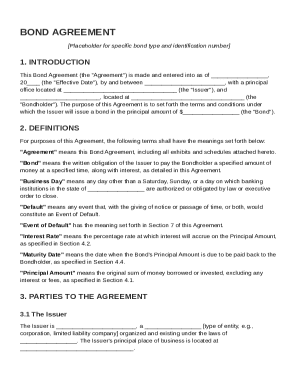
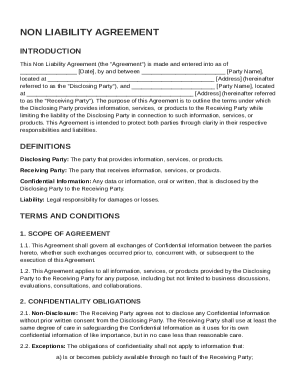
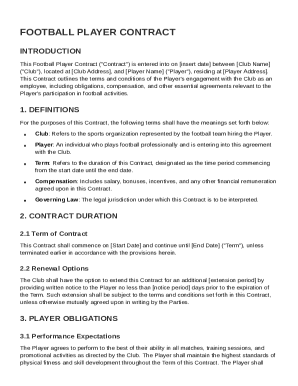
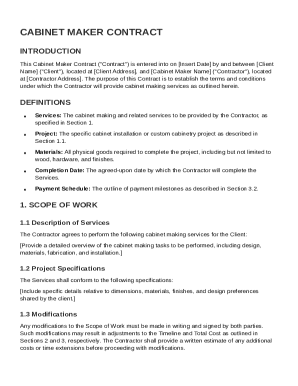
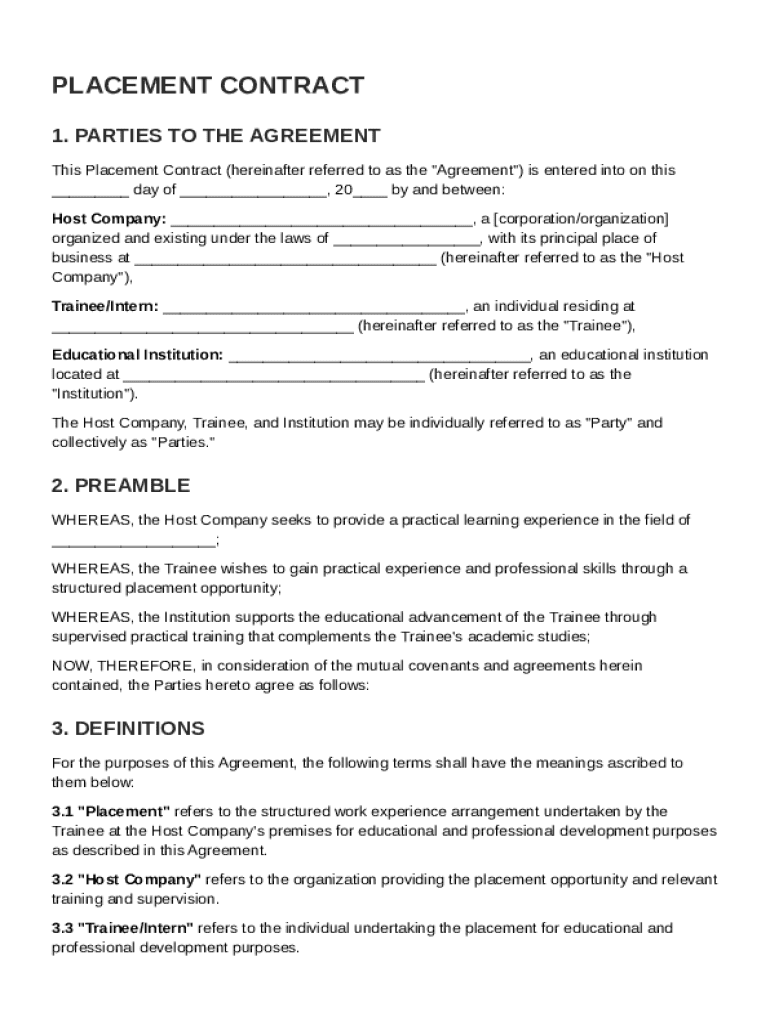
The Placement Contract Template is a formal document used to outline the terms and conditions of a structured work placement. It involves various parties, typically a Host Company, a Trainee or Intern, and an Educational Institution. This template serves as an agreement to ensure that all parties understand their roles and responsibilities during the placement period. The primary purpose is to provide the Trainee with practical experience and professional development while detailing essential elements like compensation, confidentiality, intellectual property rights, and more.
Key Elements of the Placement Contract Template
Roles and Responsibilities
- Host Company: Provides a designated working environment, offers guidance, and ensures that the Trainee engages in meaningful tasks related to their field of study.
- Trainee/Intern: Expected to adhere to company policies, fulfill assigned duties, and participate actively in learning opportunities.
- Educational Institution: Monitors the Trainee's progress, collaborates with the Host Company, and ensures that the placement aligns with educational objectives.
Purpose and Objectives
The contract clearly outlines the primary goals of the placement. These might include skill enhancement, exposure to real-world work scenarios, and specific learning outcomes that align with the Trainee's academic program.
Compensation and Benefits
Details regarding any stipend or salary, along with potential benefits such as insurance or travel allowances, are specified. This section ensures transparency and sets expectations regarding financial and material support.
Confidentiality Obligations
The contract includes clauses to protect sensitive information. Trainees are typically required to agree to non-disclosure terms to safeguard the Host Company's proprietary data and business secrets.
Important Terms Related to Placement Contract Template
Intellectual Property Rights
Specifies the ownership and usage rights for any work produced by the Trainee during the placement. This section clarifies whether the Trainee has any claim to inventions or documents created while working with the Host Company.
Termination Conditions
Outlines circumstances under which the placement can be terminated by either party. This may include breach of contract, unsatisfactory performance, or mutual agreement. Proper procedures for providing notice and any associated repercussions are defined.
Dispute Resolution Procedures
Includes mechanisms for resolving conflicts that may arise during the placement. This could involve mediation or arbitration processes, and the contract may specify which party bears the costs for dispute resolution.
Steps to Complete the Placement Contract Template
- Identify and Document Parties: Begin by listing all parties involved, including the Host Company, Trainee, and Educational Institution.
- Detail the Placement Objectives: Clearly articulate the expected learning outcomes and professional development goals.
- Specify Terms and Conditions: Include compensation details, confidentiality obligations, and intellectual property rights.
- Outline Roles and Responsibilities: Define what each party is expected to do throughout the placement.
- Review Legal Compliance: Ensure the contract aligns with relevant laws and regulations to avoid any legal issues.
- Finalize and Sign: All parties review the document for accuracy and clarity before signing to make the agreement legally binding.
Legal Use of the Placement Contract Template
The Placement Contract Template is drafted with legal considerations to ensure it serves as a binding agreement. It incorporates clauses in line with U.S. law, particularly focusing on employment standards, confidentiality, and intellectual property rights. To maximize its usefulness, parties are encouraged to consult legal advisors, especially when unique or complex situations arise that may require tailored clauses beyond a standard template.
State-Specific Rules for the Placement Contract Template
Employment Laws
State-specific employment laws may affect the contract, such as minimum wage requirements, maximum working hours, and labor standards. It’s important that the contract complies with these regional specifics to ensure it remains enforceable.
Education and Internship Regulations
Some states have specific requirements for educational placements, including requisite evaluations and documentation. Important state-specific stipulations should be incorporated into the template to meet local educational standards.
Examples of Using the Placement Contract Template
- Technical Internship: Used by engineering firms to formalize internships for students, detailing project expectations and innovation involvement.
- Education Practicum: Educational institutions deploy this template to organize teaching practicums, specifying classroom duties and assessment criteria.
- Non-Profit Volunteering: Non-profits may use the template for placements that offer workplace experience to volunteers in exchange for training rather than financial compensation.
Software Compatibility
The Placement Contract Template is designed to be compatible with various document editing platforms, including DOC, PDF, PPT, XLS, and TXT. This wide array of formats ensures flexibility and ease of use, enabling users to edit, share, and securely store completed contracts. For optimal performance, integration with tools such as DocHub allows for seamless editing and signing, enhancing workflow efficiency without the need for format conversion.