




01. Edit your form online
Type text, add images, blackout confidential details, add comments, highlights and more.

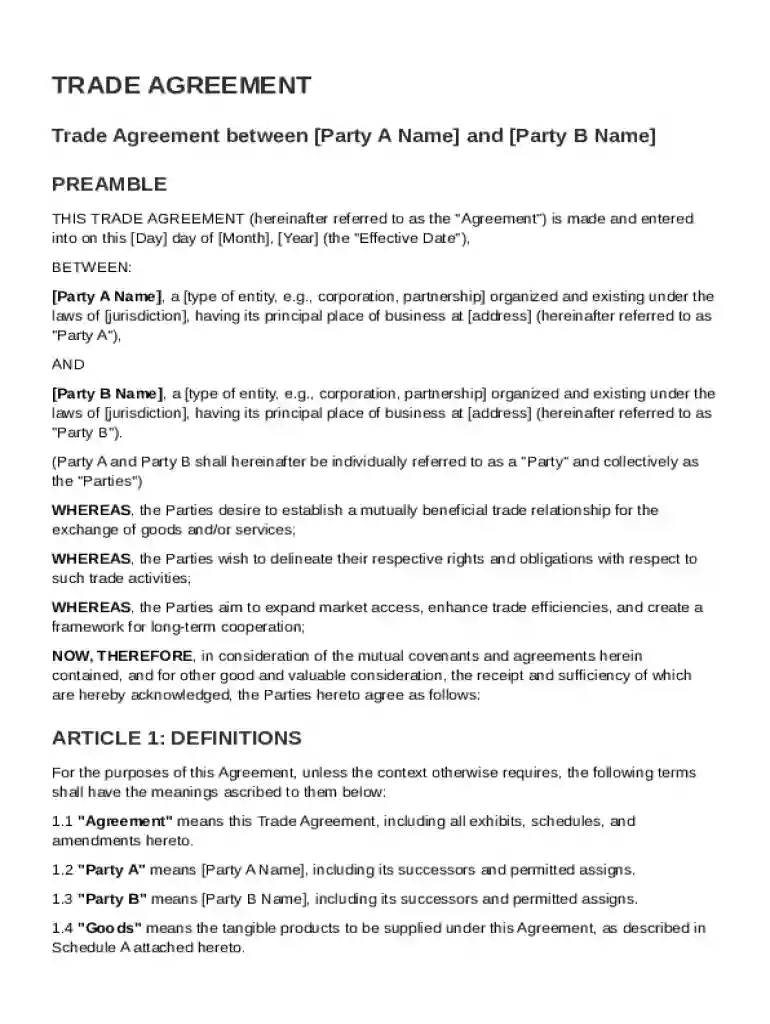
Type text, add images, blackout confidential details, add comments, highlights and more.

Draw your signature, type it, upload its image, or use your mobile device as a signature pad.

Send it via email, link, or fax. You can also download it, export it or print it out.
The Trade Agreement Template is a legally binding document that establishes the terms and conditions of a trade relationship between two parties. This template provides a structured approach to detailing the definitions, scope, pricing, delivery, compliance with laws, and more. Its primary aim is to ensure all involved parties clearly understand their rights and responsibilities, thereby minimizing potential disputes and facilitating smoother business operations.
Completing a Trade Agreement Template requires careful attention to various elements. The following components are essential to create a comprehensive document that's legally sound and effective in practice:
Understanding the legal implications of a Trade Agreement Template is crucial for both drafting and execution phases. The document serves as a legal safeguard that defines and protects the rights and expectations of each party involved in the trade.
Filling out the Trade Agreement Template involves a systematic approach to ensure every detail is addressed:
Several critical terms and clauses within a Trade Agreement Template need careful consideration. These elements ensure all parties understand their commitments and rights within the agreement framework:
The Trade Agreement Template is a versatile tool applicable to a range of business entities. It is commonly used by various professionals involved in commercial transactions:


The application of a Trade Agreement Template can be seen across a variety of industries. Real-world scenarios illustrate how these templates benefit trading relationships:
While the Trade Agreement Template serves as a standard model, certain scenarios might necessitate customized forms or variants to meet unique requirements:
In-depth understanding and meticulous attention to these blocks allow parties to effectively utilize the Trade Agreement Template, ensuring that it meets their specific needs and legal requirements.
At DocHub, your data security is our priority. We follow HIPAA, SOC2, GDPR, and other standards, so you can work on your documents with confidence.
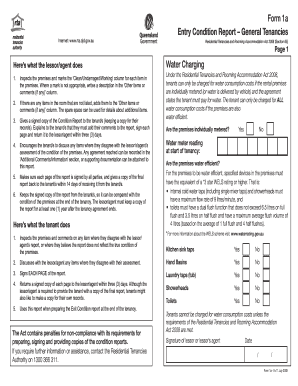



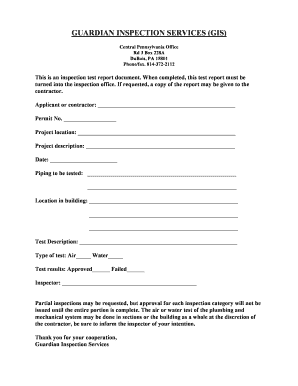
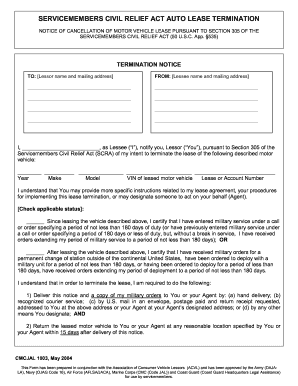
Master the art of how to negotiate your consulting agreement with 4 kickass strategies. Level up your consulting game today!
This Trade Services Agreement (Contract) is entered into by the State Board of Higher. Education acting by and through the University of Oregon (University)


