




Key Elements of the Co-Author Agreement Template
The Co-Author Agreement Template is a legally binding document, detailing essential provisions for collaborations between authors. It includes sections on the scope of the work, contribution levels, and responsibilities. These elements ensure each author's input is documented, preventing disputes over content ownership. Additionally, the agreement often addresses licensing rights, stipulating how the completed work may be used, shared, or published. Revenue sharing clauses also define how financial proceeds resulting from the work will be distributed, providing clarity and fairness for all parties involved.
- Contributions and Responsibilities: Clearly outlines each author's expected contributions and specific areas of responsibility to mitigate misunderstandings.
- Licensing and Usage Rights: Specifies how the work can be reproduced, published, and distributed, often including specifics on derivative works.
- Revenue Sharing: Details the percentage or method for dividing profits among co-authors, ensuring equitable compensation.
- Dispute Resolution: Provides processes for addressing disagreements, such as mediation or arbitration.
- Amendments and Termination: Includes terms under which the agreement can be modified or terminated, offering flexibility for changing circumstances.
- Confidentiality: Ensures all parties keep the details of the collaboration private, safeguarding intellectual property and proprietary information.
How to Use the Co-Author Agreement Template
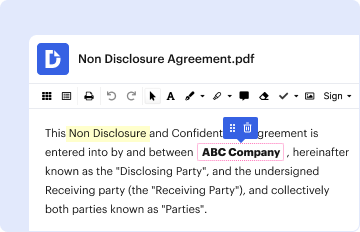
Using the Co-Author Agreement Template involves filling out the document with specific details relevant to your collaborative work. Start by identifying each author's full name and contact information. Then, detail the nature of the collaborative project, specifying the roles and expectations of each party. It's vital to discuss and mutually agree on these roles prior to signing. Finally, ensure all parties review the document thoroughly and negotiate terms if necessary, before all authors provide their signatures to confirm their acceptance of the terms laid out within the agreement.
- Gather Author Information: Input full names and contact details for all contributing authors.
- Define Project Details: Clearly describe the work, including title, genre, and scope.
- Agree on Roles and Contributions: Discuss each author's responsibilities and contributions.
- Set Revenue Distribution Terms: Establish clear guidelines for sharing potential profits or royalties.
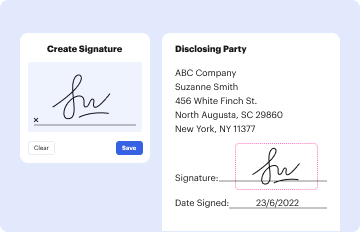
- Review and Sign: Ensure thorough understanding, negotiate if necessary, then sign the document.
Steps to Complete the Co-Author Agreement Template
Completing a Co-Author Agreement Template can be systematically approached to ensure all relevant aspects are covered comprehensively. Begin by defining the purpose of the agreement and listing all co-authors. Then, take a detailed approach to outlining contributions and responsibilities, potentially using a bullet list for clarity. Next, concentrate on legal aspects like licensing and revenue sharing, making sure to draft these terms with specificity. Once the terms are agreed upon, add any necessary clauses for amendments or terminations.
- Identify All Co-Authors: Add names and roles.
- Outline Contributions: Detail the individual contributions using explicit descriptions.
- Define Legal Terms: Draft terms for usage rights and revenue sharing.
- Review Legal Language: Consult legal expertise to ensure enforceability and compliance.
- Finalize with Signatures: Once completed, all authors should sign and date the agreement to seal its legitimacy.
Importance of a Co-Author Agreement Template
The importance of a Co-Author Agreement Template lies in its ability to prevent disputes and protect intellectual property throughout the co-writing process. By defining specific roles and responsibilities, this agreement ensures all parties have a mutual understanding of their contributions and expectations. This clarity greatly reduces the risk of conflicts over content ownership and licensing rights, facilitating a smoother creative process. Furthermore, it lays down the framework for revenue sharing that is fair to all contributors based on their input, encouraging productive collaborations.
- Prevents Misunderstandings: Clearly delineates expectations and responsibilities.
- Protects Rights: Maintains intellectual property rights through legally binding terms.
- Ensures Fair Compensation: Guarantees all authors are equitably rewarded for their contributions.
- Facilitates Collaboration: Encourages open communication and structured collaboration without ambiguity.
Legal Use of the Co-Author Agreement Template
A Co-Author Agreement Template is crucial from a legal standpoint, as it provides protection and clear guidelines for collaborative content creation. It specifies each party's rights and obligations, ensuring compliance with copyright and intellectual property laws. In case of disputes, this document serves as evidence of the agreed terms, providing legal recourse to resolve issues such as unauthorized use or profit misallocation. It is advisable for co-authors to consider having the document overseen by a legal professional to ensure all clauses are enforceable and comply with relevant legal standards.
- Intellectual Property: Clearly documents each author's ownership and usage rights.
- Legal Recourse: Provides a basis for legal action should disputes arise.
- Compliance with Laws: Ensures adherence to copyright and IP law, preventing infringement.
Who Typically Uses the Co-Author Agreement Template
The Co-Author Agreement Template is primarily used by writers who are collaborating on a shared piece of work. This includes novelists co-writing a book, researchers documenting a scientific study, or screenwriters drafting a script. It is also used by academics co-authoring an article, musicians composing a song together, and other creative professionals engaged in a joint project. Agencies, publishers, and production companies might also use these templates to facilitate collaborations within their teams or between multiple external authors.
- Authors and Novelists: Often team up to co-write books or series.
- Screenwriters: Collaborate using these templates to outline shared screenplay responsibilities.
- Researchers: Use agreements when publishing papers with various contributors.
- Music Composers: Define collaboration terms for joint song creation.

Examples of Using the Co-Author Agreement Template
Consider a scenario where two novelists are working on a series of books together. They would utilize the Co-Author Agreement Template to outline who is responsible for plot development and who handles character creation. Another example is a team of researchers collaborating on a scientific paper. They might use this template to detail individual contributions to sections like the literature review or data analysis. These examples illustrate the versatility of this document across various collaborative scenarios, facilitating clear communication and agreed-upon terms.
- Novel Collaboration: Clarifies shared duties, like plot and character development.
- Research Papers: Details contributions for literature reviews and data sections.
- Screenplay Writing: Utilizes agreements to split dialogue writing and scene structuring.
Important Terms Related to the Co-Author Agreement Template
To fully understand a Co-Author Agreement Template, familiarity with its key terms is essential. Terms like "intellectual property" refer to the ownership of ideas and creative works. "Licensing rights" pertain to how the work can be used or distributed, while "revenue sharing" details financial distributions. Understanding these terms is crucial for co-authors to protect their rights and interests, ensuring a transparent and legally sound collaborative process.
- Intellectual Property: Ownership of creative work and rights to its use.
- Licensing Rights: Legal rights regarding the work's distribution and use.
- Revenue Sharing: The method of dividing any profits from the work.
Dispute Resolution in Co-Author Agreements
Dispute resolution is a critical component of any Co-Author Agreement Template, as it details how conflicts will be handled should they arise. This may include mediation or arbitration rather than litigation, offering a less adversarial and more cost-effective solution. Including a clear dispute resolution mechanism provides a pathway for authors to address and resolve disagreements efficiently, minimizing disruptions to the collaborative process.
- Mediation: A neutral third party helps authors reach a voluntary agreement.
- Arbitration: A binding decision is made by an impartial arbitrator.
- Litigation Avoidance: Encourages peaceful resolution without court involvement.