Definition and Purpose of the Sample Employer Evaluation
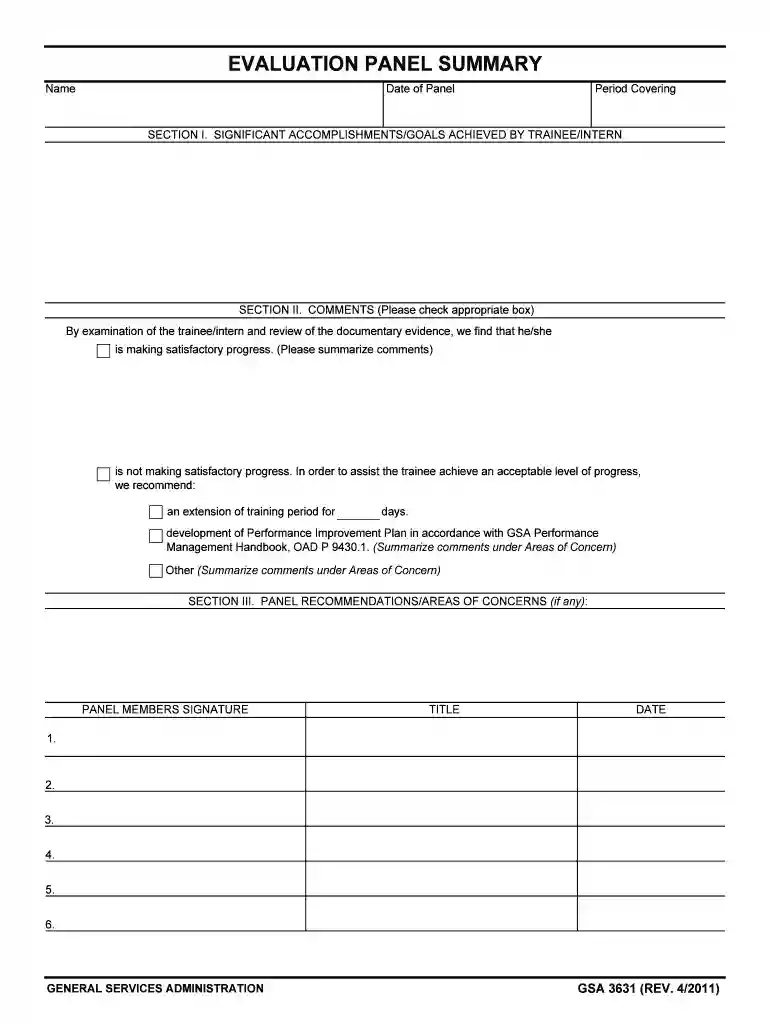
The Sample Employer Evaluation serves as a critical tool in assessing the progress and performance of employees, particularly those who are in training or are interns. It provides a structured format for employers to document and offer feedback on significant achievements, areas needing improvement, and overall satisfaction with the employee's performance. This format ensures that evaluations are consistent, transparent, and focused, thus facilitating meaningful discussions and action plans for employee development.
Key Components of the Evaluation
- Significant Accomplishments: This section highlights the employee's notable achievements during the evaluation period, offering insight into areas where they have excelled and contributed value.
- Performance Ratings: Employers rate the employee’s performance in terms of productivity, punctuality, teamwork, and other relevant metrics.
- Comments on Progress: Detailed feedback is provided regarding satisfactory or unsatisfactory progress, pinpointing specific actions or behaviors that influenced these conclusions.
Steps to Complete the Sample Employer Evaluation
Filling out the Sample Employer Evaluation requires attention to detail and objectivity to ensure that feedback is constructive and actionable.
- Gather Performance Data: Start by collecting all relevant data about the employee’s performance, including work records, peer reviews, and self-assessment documents.
- Evaluate Performance Areas: Use standardized criteria to assess the employee's performance in each area, ensuring an unbiased approach.
- Provide Constructive Feedback: Offer clear and concise feedback on each section, particularly focusing on areas where improvement is needed.
- Set Goals and Recommendations: Collaborate with the employee to set achievable goals for the upcoming period and provide recommendations to guide their development.
Important Terms Related to Employer Evaluation
Understanding terminology specific to the employer evaluation process can enhance the utility of the form and clarify expectations.
- Performance Metrics: Quantifiable measurements used to assess specific areas of work habits and effectiveness.
- Feedback Loop: A continuous process of communicating performance outcomes and receiving responses to improve future performance.
- Development Plan: A personalized outline aimed at improving the employee’s skills and career trajectory.
Legal Considerations for the Sample Employer Evaluation
Legally, the Sample Employer Evaluation must be handled with due diligence to ensure compliance with employment laws and avoid potential disputes.
- Confidentiality: Ensure all evaluative content remains confidential between the employer and the employee, as stipulated by privacy laws.
- Non-Discrimination: The evaluation process must be free from any form of discrimination, focusing purely on the merit of performance.
- Record Keeping: Maintain thorough records of evaluations and feedback as these can serve as critical documents in employment disputes or audits.
How to Obtain the Sample Employer Evaluation
Employers can access the Sample Employer Evaluation through various sources, providing flexibility in how they integrate this tool into their operational processes.
- Internal HR Tools: Often available through existing human resource management systems or software solutions that support performance evaluations.
- Online Templates: Numerous websites offer downloadable templates that can be customized to fit the specific needs of the organization.
- Professional HR Services: Some companies opt to work with HR consultants or services that offer tailored evaluation templates and guidance.
Examples of Using the Sample Employer Evaluation
In practice, the Sample Employer Evaluation has been effectively employed across various industry sectors.
- Corporate Sector: Utilized to assess progress and set performance targets for entry-level employees and new hires.
- Educational Institutions: Adopted by universities and colleges to guide intern progress within administrative departments.
- Non-Profit Organizations: Implemented as a tool for assessing and developing volunteers and community workers’ contributions to organizational goals.
Digital vs. Paper Versions of the Evaluation
The choice between using digital or paper versions of the Sample Employer Evaluation impacts accessibility and efficiency.
- Digital Forms: Offer ease of access, environmental benefits, and seamless integration with other digital HR tools. They facilitate real-time feedback and instant sharing capabilities.
- Paper Forms: Might be preferred in environments where digital adoption is minimal or in industries where hard copy documentation is standard for legal or traditional reasons.
Software Compatibility with the Evaluation Form
The compatibility of evaluation forms with various software applications enhances their utility and ease of integration.
- HR Management Systems: Platforms like BambooHR or Workday offer compatibility features that allow integrating and utilizing these evaluations within broader HR systems.
- Document Editing Tools: Software such as Google Workspace and Microsoft Office allows for easy customization and editing of evaluation forms.
- Performance Analytics: Tools that offer data analytics features can integrate with sample evaluations to provide deeper insights into employee performance metrics.
State-by-State Differences in Evaluation Forms
Understanding state-specific regulations and requirements ensures that evaluations meet local employment standards.
- California: Requires that any formal evaluation process is documented thoroughly and includes a process for employee response and acknowledgment.
- New York: Emphasizes transparency and requires that employees have access to the criteria and metrics used for their evaluations.
- Texas: Offers greater leeway in evaluation criteria but mandates adherence to non-discrimination laws throughout the process.