Definition and Purpose of a Surgery List Template
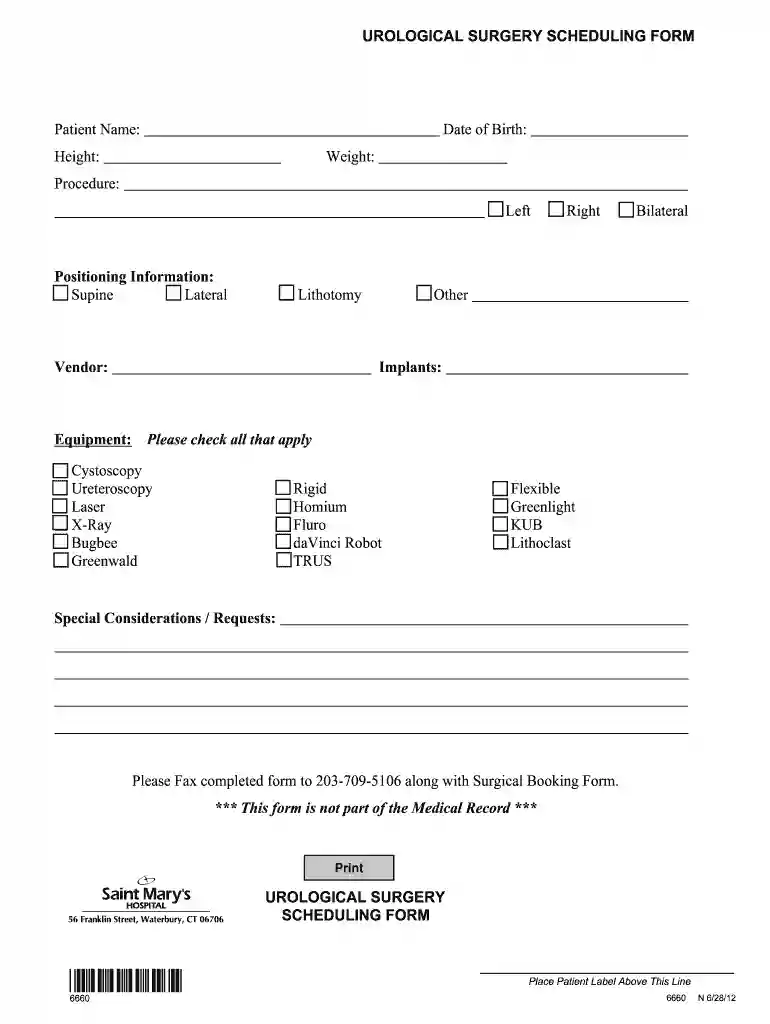
A surgery list template serves as a comprehensive document that outlines the necessary details for scheduling and managing surgical procedures. It simplifies the process of gathering essential patient and procedural information, which is critical for healthcare providers in organizing and executing surgeries effectively. The template typically includes patient demographics, procedure specifications, preferred positioning, equipment needs, and any special considerations that the surgical team must account for.
The purpose of using a surgery list template is to ensure that all relevant data is consolidated in one accessible document. This facilitates communication among surgical teams, enhances planning accuracy, and improves patient safety by minimizing the risk of errors. By having standardized documentation, healthcare facilities can streamline their administrative processes and focus more on patient care.
Key Features of a Surgery List Template
- Patient Information: Captures details such as name, date of birth, medical history, and contact information.
- Procedure Details: Specifies the type of surgery, relevant codes, and formatted descriptions of each surgical intervention.
- Equipment Requirements: Indicates necessary surgical tools and devices to prepare ahead of time.
- Positioning Preferences: Documents the preferred patient positioning for each specific procedure to enhance surgical effectiveness.
- Special Instructions: Provides space for any unique considerations or instructions relevant to the surgery, such as allergies or additional needs.
How to Use the Surgery List Template Effectively
Using a surgery list template effectively requires a systematic approach to data input and organization. The template can be filled out digitally or printed for manual completion, depending on the facility's workflow preference.
Steps to Use the Template
- Download or Access the Template: Obtain a standardized surgery list template from a reliable source, such as a healthcare software provider or internal hospital directory.
- Gather Patient Information: Collect critical patient data before filling out the template, ensuring accuracy by verifying information against medical records.
- Fill Out Procedure Details: Select the surgical procedure to be performed from a standardized list within the template, including the corresponding codes if applicable.
- Specify Equipment and Positioning: Clearly outline the equipment needed and the positioning requirements, referencing surgical best practices.
- Review and Finalize: Confirm that all fields are completed accurately, and seek input from team members as necessary. Ensure that the completed list is easily accessible to all relevant stakeholders.
Steps to Complete the Surgery List Template
Completing the surgery list template involves several precise steps to ensure thoroughness and accuracy.
-
Input Patient Demographics:
- Include patient name, age, and identification number.
- Provide contact information for family members if applicable.
-
Document Surgical Details:
- Enter the planned date and time of surgery.
- Include the name of the attending physician and surgical team members.
- Specify the type of surgery using accepted medical nomenclature.
-
Equipment and Supplies:
- List all required surgical instruments and any ancillary equipment.
- Indicate whether any special supplies need to be ordered in advance.
-
Ensure Compliance:
- Confirm that all necessary approvals and consents are documented, and that any relevant medical history (such as allergies) is included.
-
Share the Template:
- Distribute the completed surgery list template to all team members involved in the procedure to ensure everyone is informed and prepared.
Common Users of the Surgery List Template
The surgery list template is utilized by various healthcare professionals involved in surgical care, including:

- Surgeons: Primary users who rely on the template to plan and prepare for surgical procedures.
- Scrub Nurses and Surgical Staff: Those responsible for managing instruments and equipment can better prepare with accurate details.
- Administrative Staff: Personnel involved in scheduling and record-keeping can streamline patient flow and maintain accurate databases using the prepared lists.
- Anesthesiologists: They reference the template to understand patient requirements and any special circumstances related to anesthesia during surgery.
Importance of Standardization in Surgery Documentation
The standardization of the surgery list template is crucial for several reasons.
- Improved Patient Safety: By having a consistent format, teams reduce the chance of omitting essential information that could harm patients or delay procedures.
- Increased Efficiency: Standardized processes speed up the scheduling and preparation stages, allowing for a more organized surgical environment.
- Compliance and Legal Protection: Standard documentation provides a clear record of patient consent and procedural planning, which is essential for legal protection in case of disputes or audits.
Legal Use of the Surgery List Template
Understanding the legal aspects surrounding the use of a surgery list template is fundamental for healthcare providers. Accurate documentation serves several key functions:
- Regulatory Compliance: Adhering to healthcare regulations requires maintaining thorough and precise records. A surgery list template can ensure compliance with guidelines set forth by entities like the Joint Commission.
- Patient Confidentiality: Implementing proper safeguards for the surgery list template helps protect patient privacy in accordance with HIPAA regulations.
- Audit Readiness: Legal and clinical audits may require surgical documentation. A well-maintained surgery list template provides a clear record of surgical planning and patient care that can withstand scrutiny.
Case Studies on Effective Use of Surgery List Templates
Examining real-world examples can shed light on the positive impacts of utilizing a surgery list template.
- Hospital Case Study: A metropolitan hospital implemented a surgery list template for all departments. Over six months, they noted a dramatic decrease in procedural delays due to missing information. Staff reported feeling better prepared and coordinated for surgeries.
- Outpatient Surgery Center: A surgical center found that by integrating a digital template accessible from various devices, they improved communication among surgical teams. This led to a significant reduction in the time spent on preoperative preparations.
These case studies underscore that effective documentation practices lead to better outcomes for patients and healthcare providers alike.