



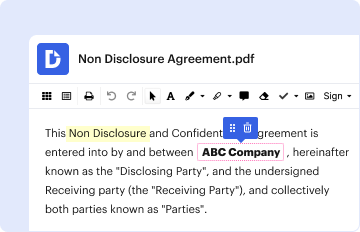
01. Edit your form online
Type text, add images, blackout confidential details, add comments, highlights and more.

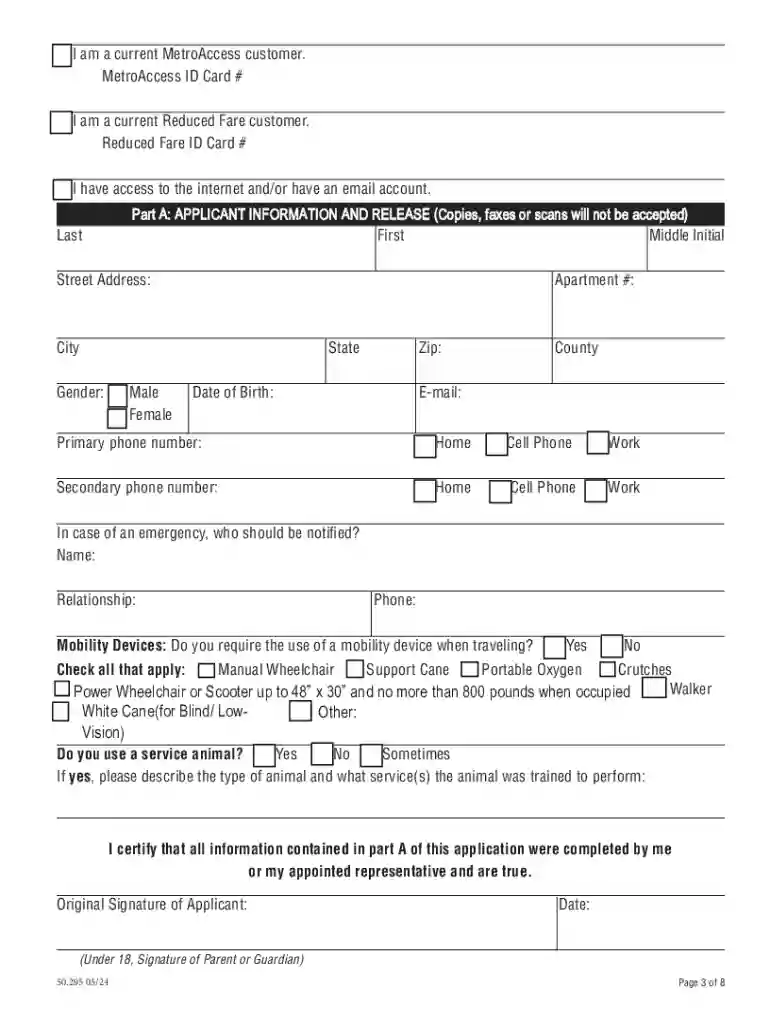
Type text, add images, blackout confidential details, add comments, highlights and more.
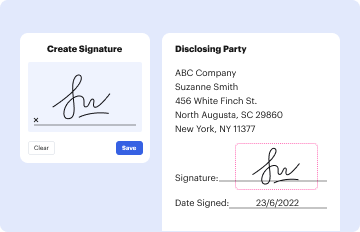
Draw your signature, type it, upload its image, or use your mobile device as a signature pad.
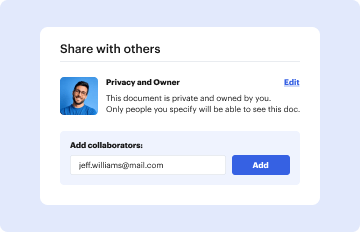
Send it via email, link, or fax. You can also download it, export it or print it out.
An online form is a digital version of a document that can be completed over the internet. This format allows users to fill out the form from any location with internet access, eliminating the need for paper copies. Commonly used in various sectors, including education, healthcare, and business, online forms streamline data collection and submission processes. They often include fields for text input, checkboxes, dropdown menus, and signature fields, making them a versatile tool for gathering information efficiently. Online forms reduce administrative overhead, save time, and offer the flexibility of easy updates and distribution.
Using an online form involves a few straightforward steps designed for efficiency and convenience. Users generally start by accessing the form through a web link or platform that hosts the form. Once open, users follow any instructions provided on the form to ensure accurate completion. Interactive fields guide users by indicating required fields and offering dropdown choices where applicable. After filling in all the necessary information, users typically have options to review their entries, make any necessary corrections, and submit the form electronically. The process may also include confirmation alerts or notifications upon successful submission.
Online forms are structured with several key components designed to facilitate data collection:
Online forms frequently serve as legally binding documents, especially when used for contracts, agreements, and submissions that require compliance with specific regulations. Digital signatures captured within these forms are often accepted under acts such as the ESIGN Act, conferring them the same legal weight as physical signatures. Ensuring compliance involves implementing authentication steps like secure login processes and verification emails. Always check the specific legal requirements: some forms might require additional steps or permissions depending on the state or field of use, like notarization or witness signatures for particular transactions.
Various sectors and individuals find the use of online forms integral to their operations. Businesses rely on these forms for applications, feedback, and surveys. In the healthcare sector, forms serve for patient intake data, appointment scheduling, and medical history compilations. Educational institutions use online forms for student registrations, course evaluations, and event sign-ups. The flexibility and accessibility of online forms mean they're also utilized by individuals for personal applications such as memberships, subscriptions, and professional networking submissions.


When using an online form, one must be mindful of differing state regulations that may impact its design and submission process. For instance, some states might impose unique legal stipulations for data privacy and electronic transactions that must be adhered to. Certain forms, particularly in the legal and financial domains, might need modifications to accommodate local legal requirements. Examples include additional fields for local tax considerations or differing filing deadlines. Therefore, familiarity with these variations can prevent compliance issues and ensure proper execution.
Online forms often integrate seamlessly with various software solutions used for data management and processing, such as TurboTax for tax filing or QuickBooks for financial management. Compatibility with these tools enhances efficiency, as information from forms can be directly imported into these programs for further analysis or action. Such integration reduces the need for manual data entry, minimizes errors, and speeds up processes like tax reporting, accounting tasks, and record-keeping. This compatibility is a significant value-add for businesses and individuals seeking streamlined workflows.
We've got more versions of the MetroAccess Paratransit Application form. Select the right MetroAccess Paratransit Application version from the list and start editing it straight away!
At DocHub, your data security is our priority. We follow HIPAA, SOC2, GDPR, and other standards, so you can work on your documents with confidence.


