Behavioral health consent to treat 2026

Get Form
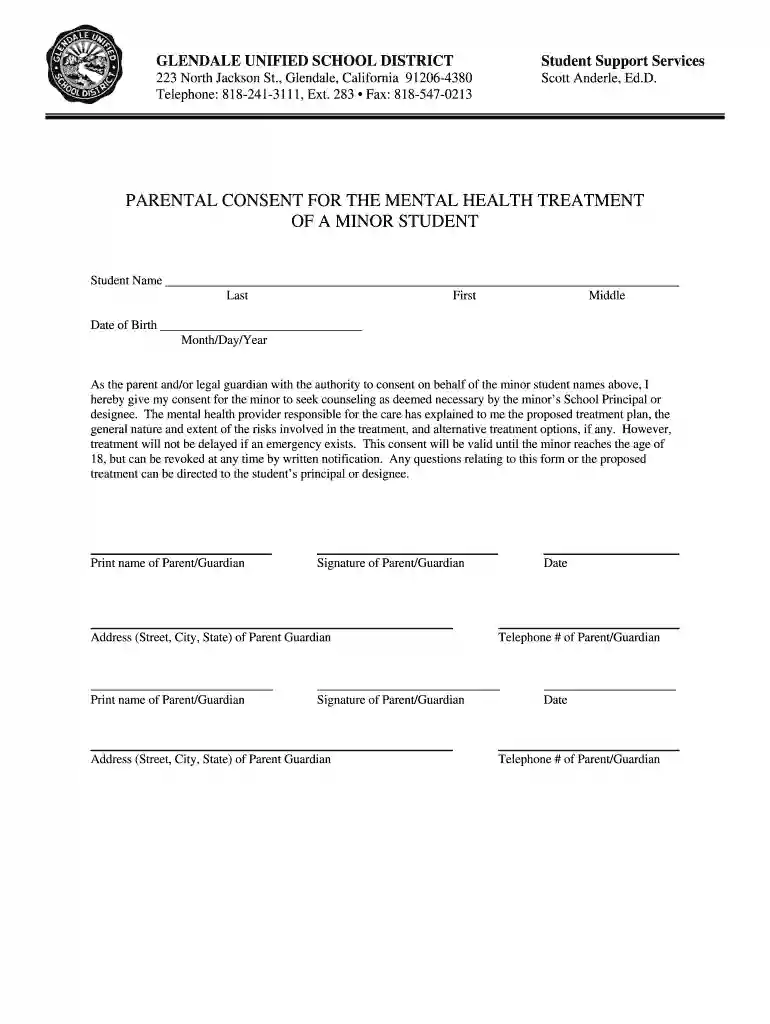
mental health consent form template Preview on Page 1

Here's how it works

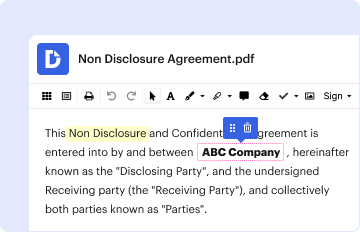
01. Edit your mental health consent form template online
Type text, add images, blackout confidential details, add comments, highlights and more.

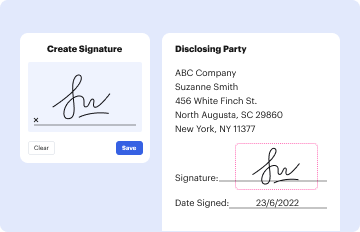
02. Sign it in a few clicks
Draw your signature, type it, upload its image, or use your mobile device as a signature pad.
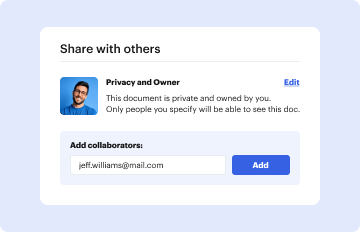
03. Share your form with others
Send consent for treatment form mental health via email, link, or fax. You can also download it, export it or print it out.

Overview of Behavioral Health Consent to Treat

The behavioral health consent to treat form is a crucial document that empowers mental health professionals to provide necessary treatment to clients. This form not only establishes a formal relationship between the client and the provider but also ensures that clients understand their rights and the nature of the treatment they will receive.

Importance of Consent in Behavioral Health Treatment

Informed consent is foundational in the field of behavioral health. It ensures that clients are fully aware of the treatment process, possible risks, benefits, and alternatives. Here are the critical aspects to consider:

  • Client Autonomy: Consent allows clients to make informed choices about their treatment options, fostering empowerment and respect.
  • Legal Protection: Documenting consent provides legal security for both the provider and the client, safeguarding against misunderstandings or disputes.
  • Ethical Standards: Adhering to ethical practices in mental health requires that clients be adequately informed before the treatment begins.

Key Elements of a Consent to Treat Form

A comprehensive behavioral health consent to treat form includes multiple key components, each vital for clarity and legal adherence:

  • Client Identification: Full name, date of birth, and contact information of the client.
  • Provider Information: The name, title, and credentials of the clinician providing the treatment, ensuring transparency about who is responsible for the care.
  • Description of Treatment: Clear explanations of proposed treatment methods, including therapy types and intended outcomes.
  • Risks and Benefits: Disclosure of potential risks associated with the treatment, alongside expected benefits, allowing clients to weigh their options.
  • Confidentiality Agreement: Assurance of the client's confidentiality, outlining the legal parameters within which information may be shared.

The Process of Completing a Consent to Treat Form

Completing the behavioral health consent to treat form involves several important steps. These ensure that the client completely understands and agrees to the terms outlined in the document:

  1. Review the Document: The client should carefully read through each section of the consent form, ensuring clarity on all points raised.
  2. Ask Questions: Clients should be encouraged to present any queries or concerns to their provider. This creates an open dialogue and reinforces understanding.
  3. Sign and Date: Once all sections are clarified and understood, clients sign and date the document, confirming their agreement to the treatment.
  4. Retain Copies: Both the provider and the client should keep copies of the signed consent form for their records.

Variations of Consent Forms

While the core purpose remains consistent, there can be variations in behavioral health consent forms based on specific treatment types or special populations.

  • Consent for Psychiatric Treatment: This may include additional details specific to medication management, such as benefits, side effects, and ongoing monitoring requirements.
  • Parental Consent for Minors: For clients under the age of eighteen, parents or guardians must provide consent, which must also cover the rights and responsibilities of the legal guardians.
  • Emergency Services: In cases requiring immediate treatment, such as crisis situations, a more streamlined form may be appropriate to expedite response while still capturing essential consent elements.

Legal Considerations and Compliance

Understanding the legal implications and state-specific regulations surrounding consent to treat forms is vital for compliance and ethical practice. Key factors include:

  • State Laws: Each state may have different requirements for what must be included in a consent form, mandates for minors, and protocols for emergency treatment.
  • Documentation Requirements: Proper documentation serves as a safeguard against liability, illustrating that informed consent has been obtained.
  • Revocation of Consent: Clients should be informed of their right to withdraw consent at any time, along with the process for doing so.

Real-World Scenarios in Behavioral Health Treatment

Understanding practical applications of the behavioral health consent to treat form can provide deeper insight into its role:

  • Therapeutic Context: When a client begins therapy, the consent form outlines what they can expect, building a trusting relationship between the client and the provider.
  • Group Therapy Dynamics: Consent forms for group therapy may include clauses that address confidentiality within shared spaces and the importance of maintaining individual privacy.
  • Emergency Situations: In crises requiring immediate action, knowing the framework for verbal consent and its limits can be critical for behavioral health professionals.
be ready to get more

Complete this form in 5 minutes or less

Get form

Security and compliance

At DocHub, your data security is our priority. We follow HIPAA, SOC2, GDPR, and other standards, so you can work on your documents with confidence.

Learn more
ccpa2
pci-dss
gdpr-compliance
hipaa
soc-compliance
be ready to get more

Complete this form in 5 minutes or less

Get form