
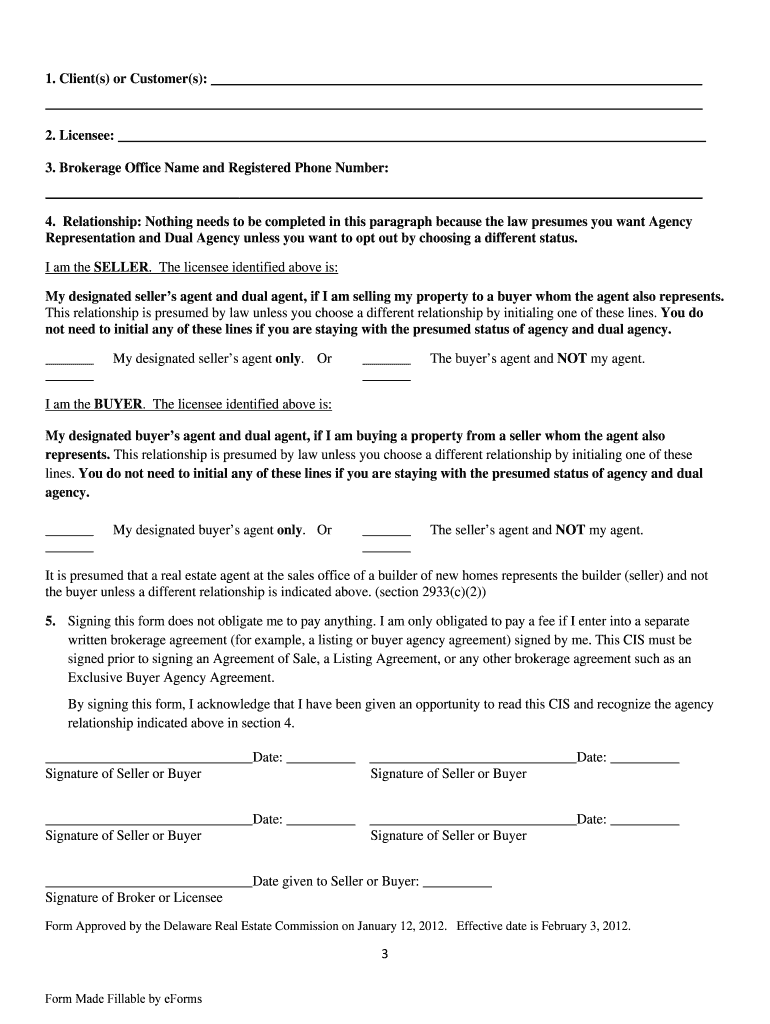







Definition and Purpose
The "Forms - Division of Professional Regulation - State of ..." serves as a critical document within various professional landscapes, particularly in state-governed sectors. These forms are essential for regulating the professional environment, ensuring compliance with state-specific guidelines, and providing a standardized approach to professional registration or action. They cover a wide range of professional activities, from licensing applications to renewals and specific permissions required within certain trades or professions.
Key Functions
- Licensing and Registration: These forms are often used to apply for initial licenses or renew existing ones for professionals such as real estate agents, medical practitioners, or engineers.
- Regulatory Compliance: By requiring detailed information from applicants, these forms help maintain standards in professional services.
- Record Keeping: The forms serve as official records, tracking professional activities and compliance over time.
How to Obtain the Forms
Obtaining the "Forms - Division of Professional Regulation - State of ..." can be done through multiple channels, ensuring accessibility for all applicants regardless of their location or preference for digital or physical formats.
Methods to Access
- Online Portal: Most state divisions offer an online platform where these forms can be downloaded directly. This method is convenient and fast.
- In-Person Request: Depending on the state, forms can also be picked up at local offices dealing with professional regulation.
- Mail Request: Some divisions allow professionals to request forms via mail, which will be sent to the applicant’s address.
Online Access
- State Website: The official website of the state’s Division of Professional Regulation typically hosts these forms.
- Email Request: Applicants may contact the division via email to request the forms, receiving them digitally.
Steps to Complete the Forms
Filling out the "Forms - Division of Professional Regulation - State of ..." involves careful attention to detail and adherence to specific instructions to ensure compliance and avoid processing delays.
Step-by-Step Guide
- Read Instructions Thoroughly: Begin by reading any accompanying guidelines or instructions.
- Fill Out Personal Information: This includes your full name, address, contact details, and any professional identification numbers.
- Provide Professional Details: Information such as your license number, current status, and professional experience may be required.
- Complete Compliance Sections: These sections might include questions about your adherence to state regulations or continuing education credits.
- Review and Submit: Carefully review the completed form for accuracy before submission.
Common Errors to Avoid
- Omitting Required Fields: All mandatory fields must be filled to avoid rejection.
- Inaccurate Information: Double-check data for accuracy, especially identification numbers and contact details.
Key Elements of the Form
The consistency of certain key elements across different versions of the "Forms - Division of Professional Regulation - State of ..." ensures that the core objectives of regulation, compliance, and professional standards are maintained.
Essential Sections
- Applicant Identification: Detailed personal and contact information.
- Professional Credentials: Areas to fill in pertinent professional data.
- Compliance Confirmation: Sections verifying adherence to state laws and ethical standards.
- Signature and Date: Declaration statement requiring the applicant’s signature to confirm truthfulness and accuracy.
State-Specific Rules
Each state may impose specific rules that affect how these forms are filled and processed. Understanding these variations is crucial for compliance and straightforward processing.
Variations by State
- Additional Documentation: Some states might require supporting documents, such as proof of education or professional liability insurance.
- Specific Regulatory Questions: Depending on the profession, certain states may include specific questions related to local laws or recent regulation changes.
- Fee Structures: Application fees might vary significantly by state and profession.
Important Terms Related to the Forms
Understanding the terms used within the "Forms - Division of Professional Regulation - State of ..." facilitates accurate completion and compliance.
Glossary of Terms
- Licensure: The process of obtaining a license to practice in a particular profession.
- Certification: Additional credentials that verify a professional’s qualifications.
- Inspection Requirement: A clause mandating periodic checks of professional practice areas or records for compliance.
- Reciprocity: Agreements allowing professionals licensed in one state to obtain licensure in another without additional exams.
Examples of Using the Forms
These forms are utilized across various professional scenarios, each requiring specific considerations or additional information.
Professional Scenarios
- Real Estate Licensing: Real estate agents use these forms to apply for or renew their licenses, often including proof of continuing education credits.
- Medical Practitioners Registration: Doctors and nurses may be required to submit renewal forms with declarations of continuing medical education to maintain active status.
- Engineer Certification: Engineers might use these forms to apply for new projects or state-required certifications to practice.
Penalties for Non-Compliance
Failing to correctly submit the "Forms - Division of Professional Regulation - State of ..." or adhere to the provided instructions can lead to various penalties.
Potential Consequences
- Delayed Processing: Incorrect forms may lead to delays in obtaining the necessary licenses or renewals.
- Fines or Fees: Non-compliance might result in additional charges or fines imposed by the state.
- Revocation of Licenses: In severe cases, professional licenses could be suspended or revoked for failing to submit required forms or information accurately.




