




Overview of Birth Certificate Translation Template
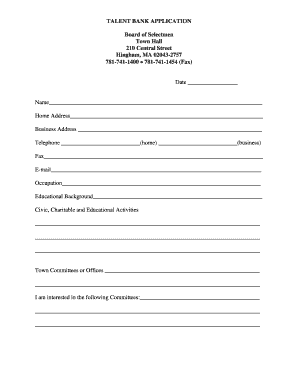
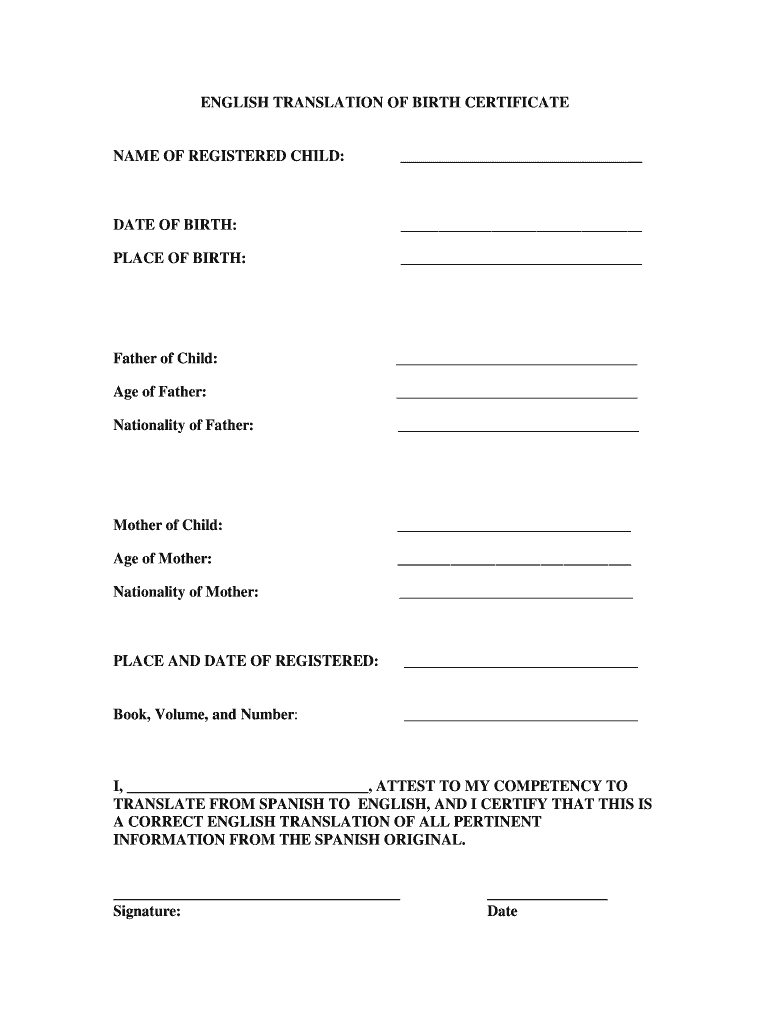
A birth certificate translation template serves as a standardized format for translating birth certificates from one language to another. This template ensures that all critical information is captured accurately and presented in a manner that meets legal and administrative requirements. Typically, it includes sections for the child's name, date and place of birth, and parental details, thus facilitating easy comprehension and verification.
Key Components of a Birth Certificate Translation
A comprehensive birth certificate translation template generally contains the following essential sections:
- Child's Name: Full name as it appears in the original certificate.
- Date of Birth: Specific date formatted as day, month, and year.
- Place of Birth: City and state of birth, including the country.
- Parental Information: Names, ages, and nationalities of the parents.
- Registration Details: Information about where and when the birth was registered.
- Translation Certification: A statement affirming the accuracy of the translation, signed by the translator.
Each of these areas must be filled in accurately to comply with legal standards, especially when submitting to entities like USCIS.
Why Use a Birth Certificate Translation Template?
Utilizing a predefined template for birth certificate translation encourages consistency and completeness in the translation process. Some benefits include:
- Ease of Use: Simplifies the translation for individuals, reducing errors due to omissions.
- Compliance with Requirements: Often required by institutions, such as government agencies or schools, for bona fide verification.
- Multi-Language Support: Templates may be designed for various languages, including Spanish, Russian, and others, which is essential in multicultural contexts.
Steps to Create a Birth Certificate Translation
To create a birth certificate translation using the template, follow these steps:
- Gather Required Documents: Obtain the original birth certificate and any additional documents needed for context.
- Select the Appropriate Template: Choose a template that corresponds with the language pair, for example, English to Spanish.
- Fill in the Sections: Carefully enter all required information, ensuring accuracy and clarity in every field.
- Compile the Translation Certification: Affix a statement validating the translation. Include your qualifications as a translator if necessary.
- Review the Document: Thoroughly check for typographical or factual errors before finalizing.
This methodical approach ensures that each translation meets the necessary standards for legal and administrative acceptance.
Common Use Cases for Birth Certificate Translations
Various scenarios necessitate a birth certificate translation, including:
- Immigration Applications: Required for foreign nationals seeking to enter the United States or apply for residency.
- School Enrollment: Institutions often request translated birth certificates for non-English speaking students.
- Legal Proceedings: Required in cases where individuals must present their birth documentation in different jurisdictions or languages.
Understanding these contexts can help individuals prepare and submit translations accordingly.
Additional Considerations for Translation Accuracy
To ensure that your birth certificate translation meets the necessary standards, consider the following aspects:
- Professional Translators: Engage a certified or sworn translator to improve validation with institutions.
- Language Nuances: Be aware of specific terms that may not have direct equivalents in different languages.
- Local Regulations: Different jurisdictions may have unique requirements concerning the format and certification of translated documents.
By adhering to these guidelines, individuals can achieve a successful translation that is legally sound and universally accepted.