






Definition & Meaning
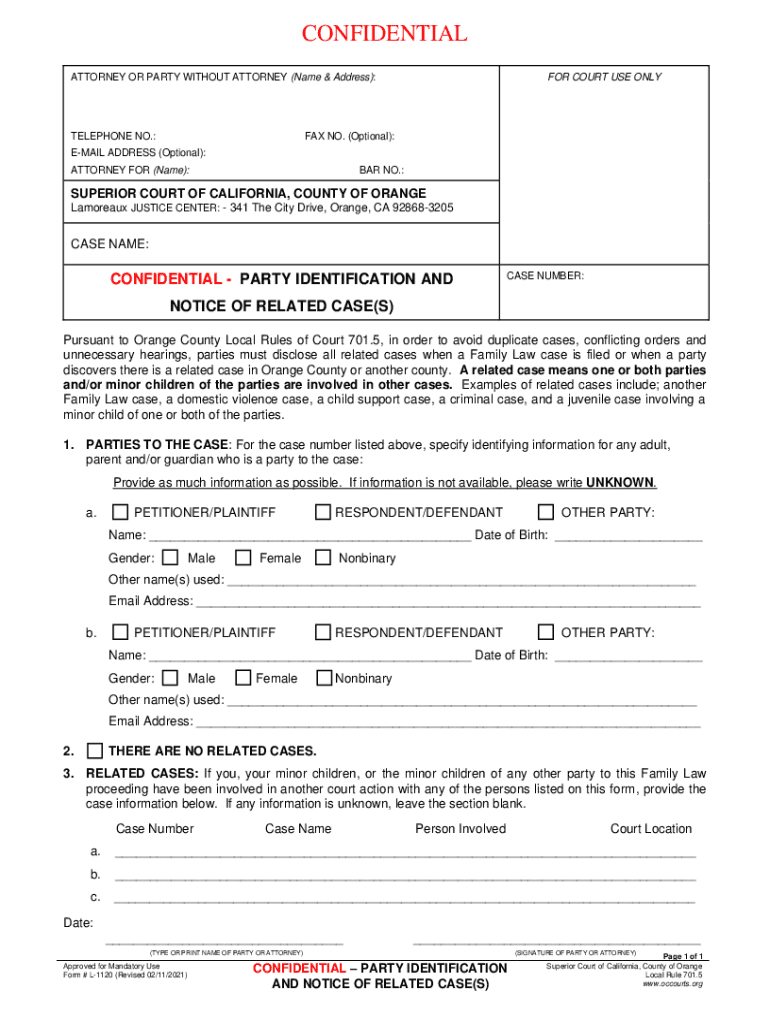
The "petition parental relationship fill" form, typically known in legal contexts as a paternity action, is a formal document used to establish a legal parental relationship between a child and one or more parents. This form is fundamental in family law, primarily concerning parents who were never married and seek to legally determine parentage. Establishing this legal connection is crucial for matters like custody, visitation rights, and child support. The process of filling out and submitting this form involves legal documentation that links the child to the parent, ensuring responsibilities and rights are shared and upheld according to the law.
Legal Implications
- Custody and Visitation Rights: Successfully filing establishes rights for custody and visitation, allowing a parent legal access to their child.
- Child Support: Once paternity or maternity is established, formal child support agreements can be defined, ensuring the child's financial needs are met.
- Inheritance Rights: Legal establishment of a parent-child relationship allows the child rights to inheritance.
Real-World Scenarios
- Unmarried Parents: Commonly used by unmarried parents seeking to formalize their parental status legally.
- Adoptive Situations: Used within certain adoptive processes to establish legal rights.
Steps to Complete the Petition Parental Relationship Fill
Completing the petition involves several detailed steps to ensure accuracy and compliance with legal standards. This section will guide you through the primary process, helping you understand each essential aspect.
-
Gather Required Information:
- Full names, addresses, and contact information of all parties involved.
- Child's birth certificate or equivalent proof of birth and parentage.
-
Fill Out the Form:
- Provide accurate information in each designated section. This includes details about the father, mother, and the child.
-
Attach Supporting Documents:
- Include any necessary documentation that establishes your relationship or supports your petition, such as acknowledgment of paternity or affidavits from witnesses.
-
Review and Sign:
- Carefully review the form for completeness and accuracy. Make sure all required sections are filled out and signed.
-
Submit to the Correct Court:
- Submit the completed form to the family court in the county where the child resides. Submission might require a fee, so check with the court for any payment requirements.
-
Serve the Papers:
- Legally serve the other parent with the petition, which can be done by a professional process server or local sheriff's department.
Variations By State
- California: Specific instructions and legal nuances might differ, thus reviewing state-specific guidelines is recommended.
Key Elements of the Petition Parental Relationship Fill
Understanding the components of the form is vital to ensure it's filled out correctly and in compliance with relevant laws. These elements collectively form the legal basis for the petition.
-
Identification of Parties:
- Includes primary data of both the petitioner and respondent, along with the child's information.
-
Declaration of Parentage:
- A declaration that seeks to establish, affirm, or refute parentage presumably based on genetic testing, acknowledgment, etc.
-
Supporting Details:
- Background information and any existing legal agreements between parties regarding custody or support.
-
Requested Orders:
- Any specific legal orders the petitioner desires, such as custody arrangements or financial support parameters.
Why Should You Petition Parental Relationship Fill
The reasons behind filing such a petition are varied and situation-dependent. This form serves a critical role in legally cementing parental responsibilities and rights, which is fundamental for the child’s welfare.
Benefits
- Legal Documentation: Offers a legally binding record of the parental relationship.
- Ensures Fair Custody and Support: Helps ensure that the child receives proper support from both parents.
- Official Recognition: Grants legal status, which can affect decisions regarding schooling, medical treatment, and more.
Scenarios
- Disputed Parentage: Used when there's a need to officially resolve disputed claims of parentage.
- Mutual Agreement: When both parties agree on the relationship but require legal recognition for formality.
Who Typically Uses the Petition Parental Relationship Fill
The form is primarily utilized by individuals seeking clarity or establishment of parental rights and responsibilities. It has broad applications across different scenarios.


Primary Users
- Unmarried Parents: Especially in cases where paternity is questioned or needs formal acknowledgment.
- Separated Couples: Used by couples no longer cohabiting to establish shared responsibilities and rights.
Cases Involving Legal Disputes
- Custody Disputes: Leveraged in custody battles where parental rights affect living arrangements and decision-making for the child.
- Support Disputes: Utilized to resolve disagreements regarding financial responsibilities.
Legal Practitioners
- Legal representatives often file on behalf of clients to help navigate complex legalities and protect client interests efficiently.
How to Use the Petition Parental Relationship Fill
Using this form properly involves understanding its purpose and the detailed process from completion to submission. This section highlights practical steps and examples.
- Identify the Need: Confirm that establishing the parental relationship through legal documentation is necessary for your situation.
- Use Legal Resources: Consulting with a legal professional can be helpful to fully understand all implications and ensure the process is handled correctly.
- Follow Court Instructions: Adhere strictly to instructions provided by the court to ensure the petition is accepted and processed without delays.
Practical Examples
- Unmarried Fathers Seeking Custody: A father wanting shared custody can file this petition to establish legal parentship.
- Mothers Seeking Support: A mother might file to enforce financial support upon establishing the legal father.
Important Terms Related to Petition Parental Relationship Fill
Understanding specific legal terminology associated with this form can clarify its usage and the processes involved. These terms often appear in documentation related to this process.
- Paternity: Legal acknowledgment of fatherhood.
- Custody: Legal guardianship, including physical and legal custody distinctions.
- Visitation: Refers to the right of the non-custodial parent to visit their child.
- Child Support: Financial support provided by a non-custodial to custodial parent for child-rearing.
Contextual Importance
- Parentage Actions: Actions initiated in court to legally define parentage, crucial for allocating responsibility.
- Legal Standing: The right secured by identified legal parents to make decisions or act on behalf of the child.
Understanding these terms is instrumental in navigating the legal system and ensuring that all paperwork is filled out accurately.