



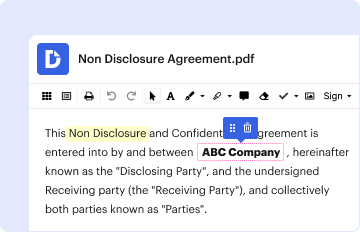
01. Edit your tattoo consent form uk online
Type text, add images, blackout confidential details, add comments, highlights and more.

Type text, add images, blackout confidential details, add comments, highlights and more.
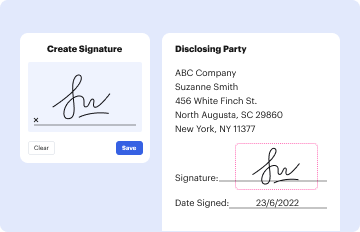
Draw your signature, type it, upload its image, or use your mobile device as a signature pad.

Send tattoo consent form uk template free via email, link, or fax. You can also download it, export it or print it out.
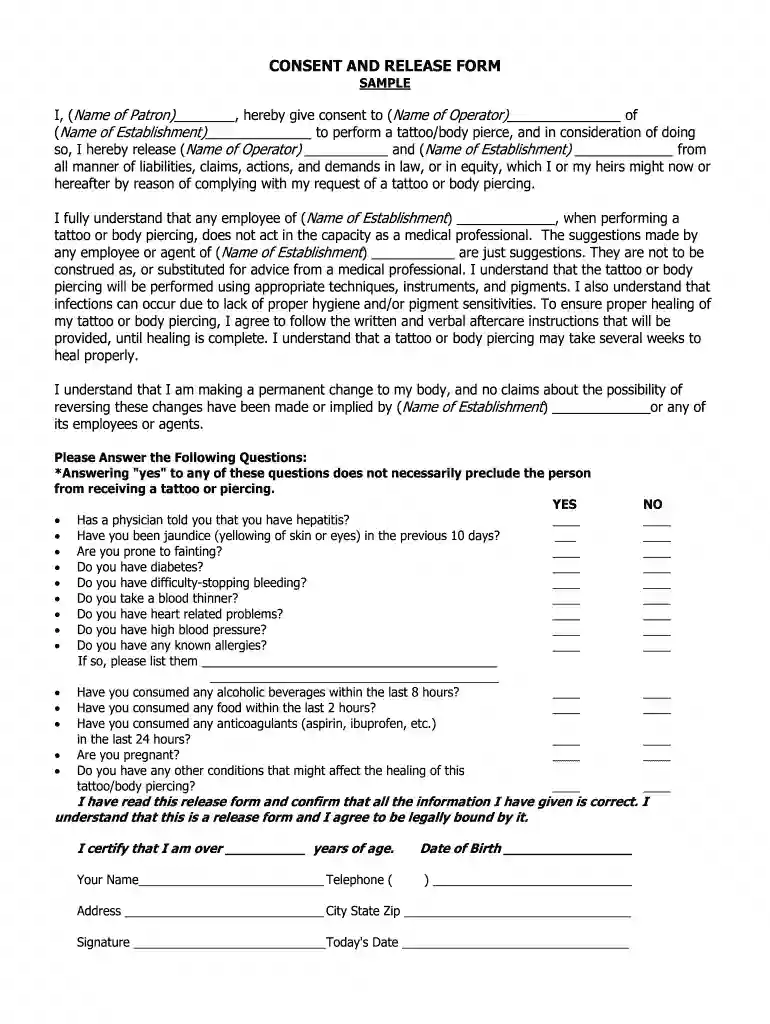
The tattoo consent release form is a crucial document used when individuals seek tattoo or body piercing services. It serves multiple purposes, including obtaining the patron's permission to conduct the procedure, disclaiming liability for the tattoo artist or establishment, and addressing potential health risks. This form is necessary to ensure that both clients and operators are informed about the procedure, as well as any risks involved.
A well-structured tattoo consent release form typically contains several key sections to ensure clarity and comprehensiveness:
Client Information: This section gathers essential details about the client, including their full name, contact information, and date of birth. This information is vital for identification and verification purposes.
Health History Questions: The form often includes a series of questions regarding the client’s health history. This can help assess any potential risks related to the tattooing process, such as allergies, skin conditions, or medications that may affect healing.
Acknowledgment of Risks: Clients must acknowledge understanding the risks associated with tattoos, such as allergic reactions, infections, and skin sensitivity. This acknowledgment helps inform clients of their responsibilities regarding aftercare and any potential issues.
Liability Waiver: This section releases the tattoo artist and the establishment from liability for any adverse effects that may arise from the procedure. It clarifies that the client agrees not to hold any party liable and that they are participating voluntarily.
Consent and Signature: At the end of the form, clients must provide their signature, indicating their consent to undergo the tattooing or piercing procedure. This is a legally binding section that confirms understanding of the terms presented in the form.
In the United States, tattoo consent release forms must be carefully crafted to adhere to legal standards. Here are some important considerations:
Minor Consent Requirements: Many states stipulate that individuals under a certain age require parental consent to receive a tattoo or piercing. The form should clearly indicate the required parental consent process, including signature lines for guardians.
State-Specific Regulations: Regulations regarding tattoo consent forms can vary significantly by state. It is crucial to integrate state-specific rules into the form to ensure compliance with local laws.
Enforceability of Waivers: While liability waivers are generally enforceable, they can be challenged in court. The form should be comprehensive, clearly worded, and not overly broad to ensure it holds legal weight.
Proper aftercare is essential for healing and preventing complications, and the tattoo consent release form usually includes detailed aftercare instructions. Clients need to understand how to care for their new tattoo or piercing effectively. Common aftercare recommendations include:
Cleaning Routine: Clients should be instructed to wash the area gently with soap and water, and then pat it dry.
Moisturizing: The importance of applying a recommended ointment or moisturizer to keep the skin hydrated and promote healing should be emphasized.
Avoiding Water Exposure: Clients may be advised to avoid soaking the tattoo or piercing in water for a set period, such as swimming pools, hot tubs, or prolonged showers.
Signs of Infection: The form should highlight signs of infection to watch for, such as increased redness, swelling, or drainage. Clients should be advised to seek professional help if they experience any concerning symptoms.
Utilizing a tattoo consent release form is vital for several reasons:
Legal Protection: It serves as a protective measure for the tattoo artist and establishment against potential lawsuits or claims resulting from the procedure.
Informed Consent: The form ensures that clients are aware of the risks and responsibilities associated with receiving a tattoo or piercing, fostering transparency and trust between the client and artist.
Documentation: Maintaining a record of consent helps establish good practices in the tattoo industry, ensuring that appropriate measures are taken before conducting tattooing or piercing procedures.
Tattoo consent release forms can come in various formats, allowing flexibility to fit different establishments' needs. Some available options include:
Template Forms: Free or paid templates can be found online, allowing tattoo artists to customize the document according to their specific practices and legal requirements.
Digital Versions: Many tattoo parlors are adopting electronic consent forms, enabling clients to fill out and sign the paperwork digitally. These forms can integrate with management software, streamlining the intake process.
Bilingual Forms: Depending on the demographic of the clientele, having a bilingual tattoo consent release form may be beneficial. This ensures that all clients fully understand the content of the document, regardless of their primary language.
At DocHub, your data security is our priority. We follow HIPAA, SOC2, GDPR, and other standards, so you can work on your documents with confidence.
I have looked over my design, checked the spelling if applicable, and give my full consent to the application of my tattoo. I acknowledge that I am not pregnantRead more
The consent form needs to provide clear information to the patron of the health risks that are associated with both tattooing and piercing. The consent formRead more
InkSight is a semi-permanent tattoo that makes health information visible, making informed and voluntary user consent the cornerstone of its ethical applicationRead more


