
Tenant Rights and Responsibilities
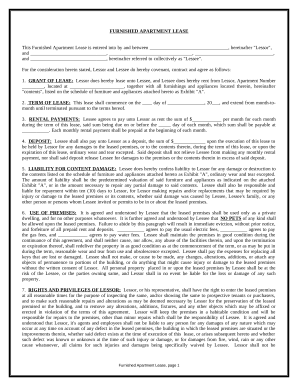
Furnished lease

Letter from Tenant to Landlord about Fair Housing Reduction or Denial of services to Family with Children - Utah
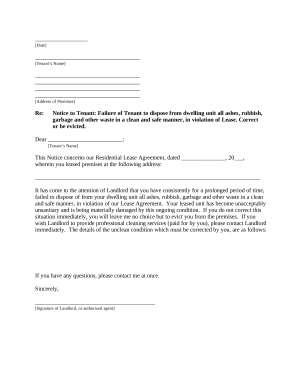
Letter from Landlord to Tenant for Failure of to dispose all ashes, rubbish, garbage or other waste in a clean and safe manner in compliance with community rules - Wyoming
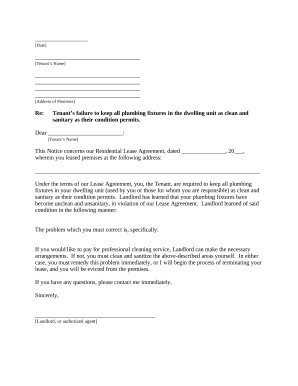
Letter landlord tenant
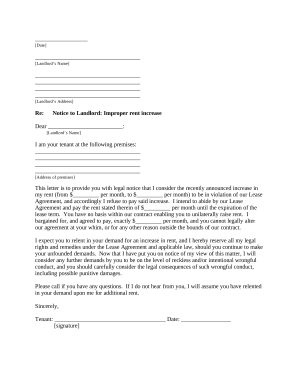
Kansas tenant notice
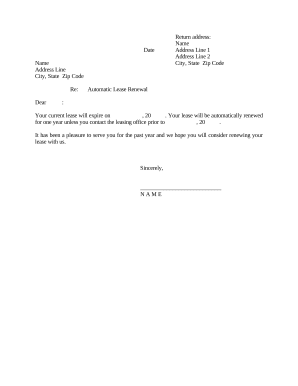
Lease renewal

Letters of rent from landlord
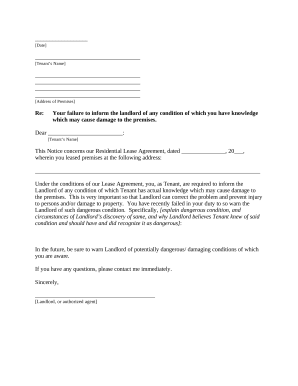
Nj letter notice
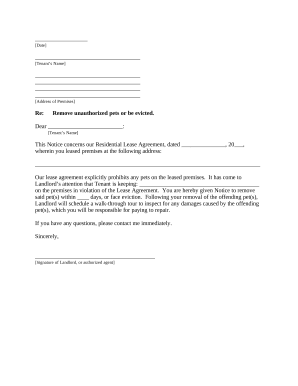
New york landlord
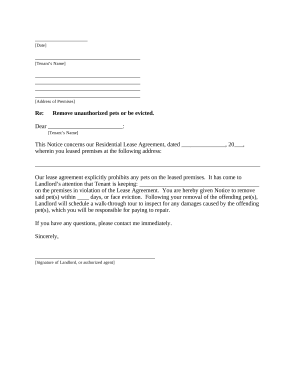
Letter landlord tenant
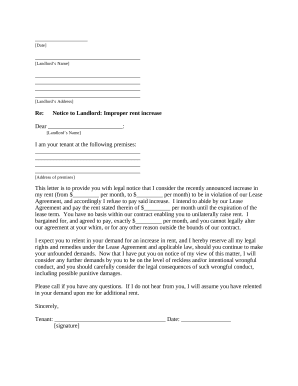
Letter tenant notice rent
Enhance your work productivity with Tenant Rights and Responsibilities
Form management takes up to half of your business hours. With DocHub, you can reclaim your office time and improve your team's efficiency. Get Tenant Rights and Responsibilities online library and check out all document templates related to your everyday workflows.
Easily use Tenant Rights and Responsibilities:
- Open Tenant Rights and Responsibilities and utilize Preview to obtain the appropriate form.
- Click Get Form to begin working on it.
- Wait for your form to upload in our online editor and begin modifying it.
- Add new fillable fields, icons, and images, modify pages order, etc.
- Fill out your file or set it for other contributors.
- Download or share the form by link, email attachment, or invite.
Boost your everyday file management with the Tenant Rights and Responsibilities. Get your free DocHub profile today to explore all templates.
Video Guide on Tenant Rights and Responsibilities management

Commonly Asked Questions about Tenant Rights and Responsibilities
How much time does a landlord have to give a tenant to move out in NY?
In New York 5 Page 9 City, 30 days notice is required, rather than one month. Landlords do not need to explain why the tenancy is being terminated, they only need to provide notice that it is, and that refusal to vacate will lead to eviction proceedings.
What rights do renters have in New York state?
In New York City, tenants have many rights relating to the safety and quality of their housing. Tenants should expect to live in safe, well-maintained buildings that are free from vermin, leaks, and hazardous conditions. Laws protect tenants from harassment and discrimination.
What is the biggest responsibility of a tenant?
While maintaining the property is primarily the responsibility of the tenant, there are some other things the tenant needs to know. Here are some of the most common tenant responsibilities: Pay rent on time. Paying fees on any bounced checks.
What are my rights as a tenant in NY state?
Tenants Rights and Responsibilities. In New York City, tenants have many rights relating to the safety and quality of their housing. Tenants should expect to live in safe, well-maintained buildings that are free from vermin, leaks, and hazardous conditions. Laws protect tenants from harassment and discrimination.
How much notice does a landlord have to give a tenant to move out in NY?
If you have been living in your home for over a year, your landlord must give at least 60 days notice. If you have been living in your home for more than 2 years, your landlord must give at least 90 days notice. rent as a security deposit. When you move out, they must return the security deposit within 14 days.
Can a landlord evict you if there is no lease in NY State?
If you do not have a written lease, or your lease expired and you dont live in rent regulated housing, the landlord/owner may be able to go to court to evict you even if you did not do anything wrong. It is the landlord/owners right to evict you without a reason.
What rights do tenants have without a lease in NY?
Tenants without a lease agreement also have the right to privacy. The landlord cannot enter your rental property without your consent, except in emergencies or other legally allowed circumstances. The landlord must provide reasonable notice before entering the rental property for repairs, inspections, or other reasons.
Why is it so hard to evict a tenant in New York?
Overview. In New York State, an eviction of a tenant is lawful only if an owner has brought a court proceeding and obtained a judgment of possession from the court. A sheriff, marshal or constable can carry out a court ordered eviction. An owner may not evict a tenant by use of force or unlawful means.