

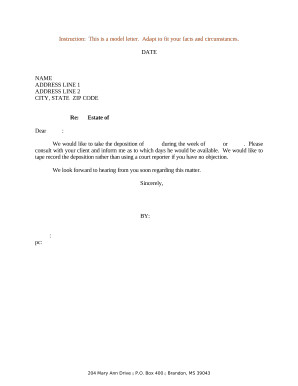
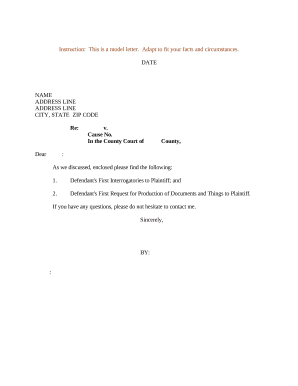
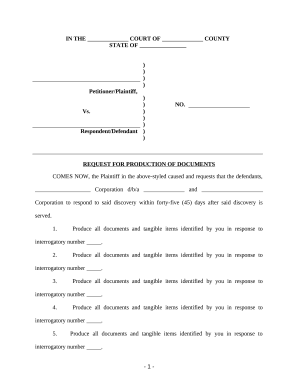
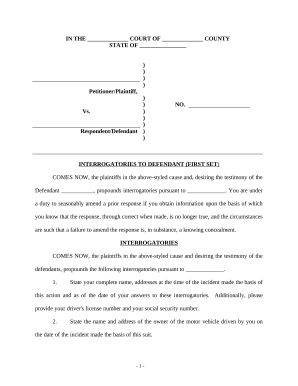
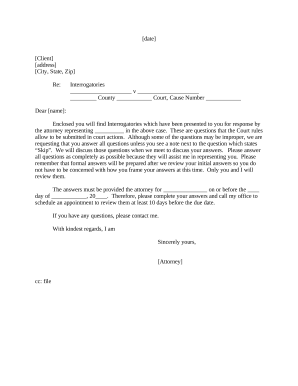

Manage Discovery Process Documents quickly online
Document management can overwhelm you when you can’t locate all of the forms you require. Luckily, with DocHub's vast form library, you can discover everything you need and promptly deal with it without the need of switching among apps. Get our Discovery Process Documents and start utilizing them.
How to use our Discovery Process Documents using these easy steps:
- Browse Discovery Process Documents and choose the form you require.
- Preview the template and then click Get Form.
- Wait for it to open in our online editor.
- Modify your template: add new information and images, and fillable fields or blackout certain parts if necessary.
- Complete your template, save adjustments, and prepare it for sending.
- When you are ready, download your form or share it with other contributors.
Try out DocHub and browse our Discovery Process Documents category without trouble. Get your free profile right now!
Video Guide on Discovery Process Documents management

Commonly Asked Questions about Discovery Process Documents
What are the three parts of discovery?
The three primary types of discoveryinterrogatories, requests for production of documents, and depositionsplay pivotal roles in uncovering facts, clarifying issues, and preparing for trial. Moreover, each method offers unique avenues for gathering evidence and insights essential for building a robust legal strategy.
What is the procedure for discovery?
Discovery may be made through interrogatories, which consist of written questions sent from one side to the other in an attempt to secure important facts; it also can be made through depositions, whereby a witness is sworn and, in the presence of attorneys for both sides, is subjected to questions.
Definition What are discovery documents?
Discovery is a legal tool each party can use to strengthen their case. Through discovery you may receive new information and documents. You may be able to use those documents as evidence at trial. Be aware that to use it in court, all evidence must meet separate requirements. Discovery in the Circuit Court - Maryland Courts mdcourts.gov courthelp discoverycircuitc mdcourts.gov courthelp discoverycircuitc
Preparation How to prepare discovery documents?
Discovery is how you gather the evidence you will need to prove your case as plaintiff, or defeat the plaintiffs case as a defendant. You use discovery to find out things like: What the other side plans to say about an issue in your case. What facts or witnesses support their side. Discovery in civil cases | California Courts | Self Help Guide ca.gov discovery-civil ca.gov discovery-civil
What are the steps in the discovery process?
Disclosure is accomplished through a methodical process called discovery. Discovery takes three basic forms: written discovery, document production, and depositions. See FindLaws Stages of a Personal Injury Case section for related articles and resources about fact-finding and the different types of discovery.
What happens in the discovery stage?
The discovery phase is the stage in a lawsuit where both parties gather and exchange information and evidence relevant to their respective cases. This process enables the two sides to build strong arguments, understand the other partys claims, and, in some instances, docHub a settlement without the need for a trial.
What are the three forms of discovery?
Discovery may be carried out by directly asking a person questions (oral depositions), by sending a person written questions (interrogatories and depositions on written questions), and by requesting that the person provide documents (motions for production, subpoenas duces tecum).
What does the discovery process include?
Discovery is how you gather the evidence you will need to prove your case as plaintiff, or defeat the plaintiffs case as a defendant. You use discovery to find out things like: What the other side plans to say about an issue in your case. What facts or witnesses support their side.


