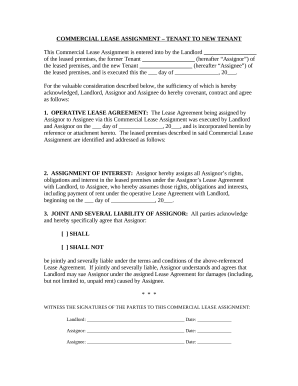
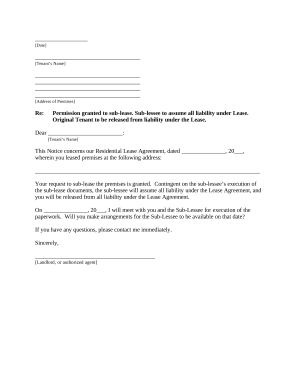
Transform your form managing with Landlord and Tenant Legal Forms

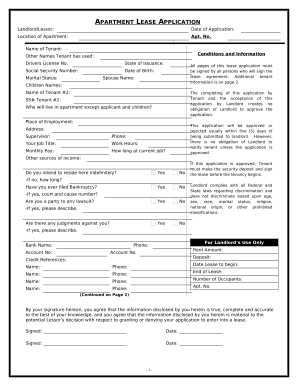
Your workflows always benefit when you are able to obtain all of the forms and documents you require at your fingertips. DocHub supplies a a huge library of forms to alleviate your daily pains. Get a hold of Landlord and Tenant Legal Forms category and quickly find your form.

Begin working with Landlord and Tenant Legal Forms in several clicks:

  1. Access Landlord and Tenant Legal Forms and locate the document you require.
  2. Click Get Form to open it in our online editor.
  3. Start adjusting your file: add more fillable fields, highlight paragraphs, or blackout sensitive facts.
  4. The app saves your changes automatically, and after you are all set, you are able to download or distribute your form with other contributors.

Enjoy easy record administration with DocHub. Check out our Landlord and Tenant Legal Forms category and find your form today!


Commonly Asked Questions about Landlord and Tenant Legal Forms

A one-month notice to quit is required for a month-to-month tenancy. lockouts made by the landlord are illegal in New Jersey. If a landlord attempts a self-help eviction or lockout, the tenant should call the police.
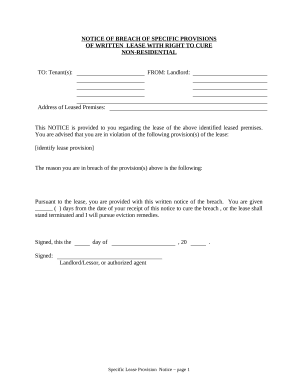
But if they stay in the property even a day after their lease/rental agreement ends and have not arranged for renewal, landlords can issue a written notice to the tenant to move. Some of the notices include a 7-Day Notice to Quit, a 30-Day Notice to Quit, or a 90-Day Notice to Quit.
ing to New Jersey landlord-tenant law, landlords have the right to collect rent payments when theyre due, use the security deposits to cover damages that exceed normal wear and tear and provide safe eviction procedures if the tenant fails to pay rent or violates the lease.
554.134 Termination of estate at will or by sufferance or tenancy from year to year. Sec. 34. (1) Except as provided otherwise in this section, an estate at will or by sufferance may be terminated by either party by giving 1 months notice to the other party.
A landlord may request entry to a rental unit to perform other services or to show the unit for re- renting or sale. However there is no law that obligates a tenant to allow a landlord access to the rental premises for purposes other than inspection, maintenance and repair.
Those include: Terminating a tenancy or filing an eviction lawsuit; Increasing the rent; or, Decreasing services, such as locking the laundry room.