Improve your form administration with Company Policies

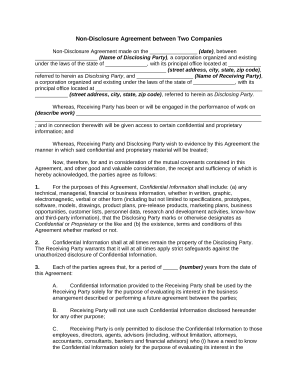
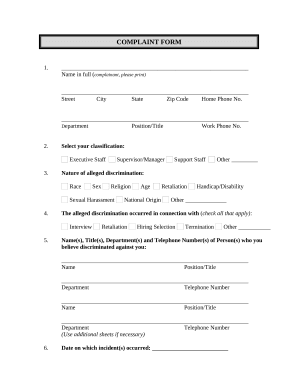
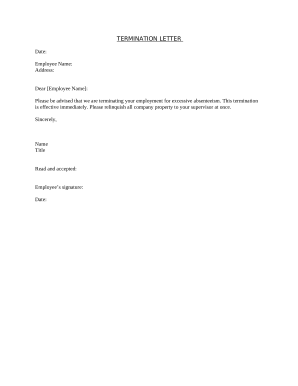
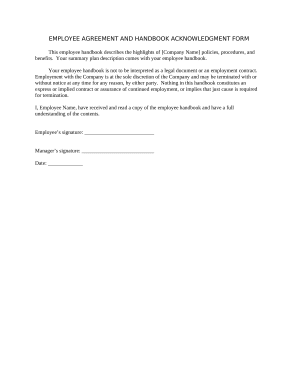
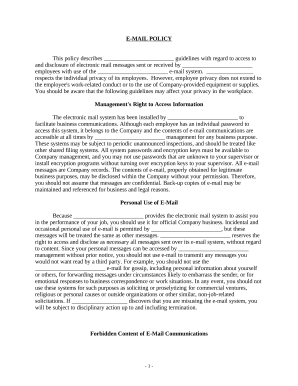
Your workflows always benefit when you are able to obtain all the forms and documents you may need at your fingertips. DocHub offers a a huge library of documents to alleviate your daily pains. Get hold of Company Policies category and quickly browse for your form.

Start working with Company Policies in several clicks:

  1. Browse Company Policies and get the form you need.
  2. Click on Get Form to open it in the editor.
  3. Begin changing your form: add fillable fields, highlight sentences, or blackout sensitive information and facts.
  4. The app saves your changes automatically, and after you are ready, you can download or share your form with other contributors.

Enjoy seamless record management with DocHub. Explore our Company Policies category and discover your form right now!


Video Guide on Company Policies management

video background

Commonly Asked Questions about Company Policies

There are business policies that you may need to comply with ing to law, but you may also choose to develop your own policies as well. Below, youll find tips and best practices to help you decide what policies to add to your employee handbook.
Policy Writing Guidance Keep it simple. Policies should be written in plain language not legalese. Keep it general. Policies cannot contemplate all possible situations. Make it relevant. Check for accuracy and compliance. Ensure the policy can be enforced. Clearly state who does what. Less is more.
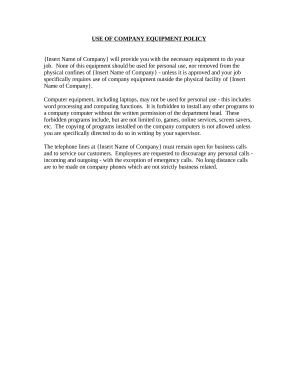
Examples of company policies include employee conduct policies, dress code, attendance policies, equal opportunity policies, and other areas related to the terms and conditions of employment.
How to Write Effective Policies and Procedures Step 1: Get organized. Identify key policies. Step 2: Find reliable source material. You dont have to start from scratch when creating a new policy. Step 3: Create a policy structure. Step 4: Distribute the policy for feedback. Step 5: Distribute the policy to staff.
Essential policies include Code of Conduct, Equal Employment Opportunity, Workplace Health and Safety, Data Protection and Privacy, and a Grievance Handling Policy. These cover the crucial aspects of employee behavior, safety, privacy, and conflict resolution, crucial for a well-functioning organization.
Examples of company policies include employee conduct policies, dress code, attendance policies, equal opportunity policies, and other areas related to the terms and conditions of employment. Procedures: the processes by which employees should deal with potential bdocHubes of company policies.
The five most common policy statements found in business environments are those related to human resources, financial, legal or regulatory, safety, and operational matters.
How to Develop and Implement a New Company Policy Step 1: Identify the Need for a Policy. Step 2: Determine Policy Content. Step 3: Obtain Stakeholder Support. Step 4: Communicate with Employees. Step 5: Update and Revise the Policy.