




01. Edit your osha form 300a fillable online
Type text, add images, blackout confidential details, add comments, highlights and more.

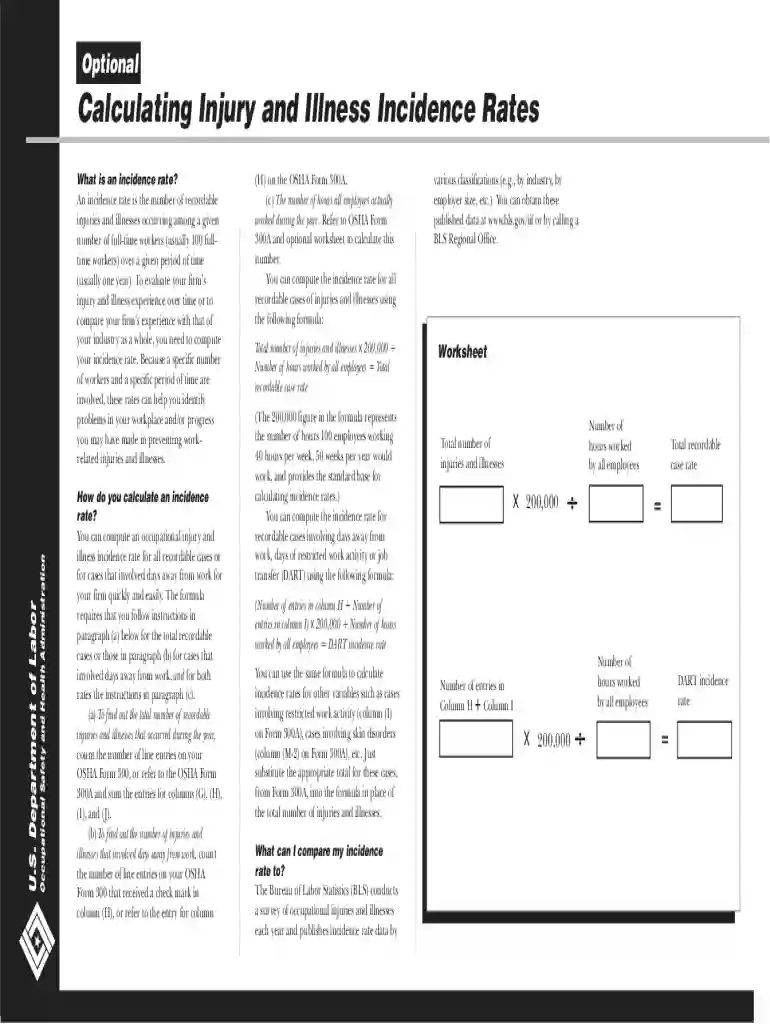
Type text, add images, blackout confidential details, add comments, highlights and more.

Draw your signature, type it, upload its image, or use your mobile device as a signature pad.

Send osha 300 fillable via email, link, or fax. You can also download it, export it or print it out.

Start using our platform today to streamline your OSHA recordkeeping process for free!
At DocHub, your data security is our priority. We follow HIPAA, SOC2, GDPR, and other standards, so you can work on your documents with confidence.
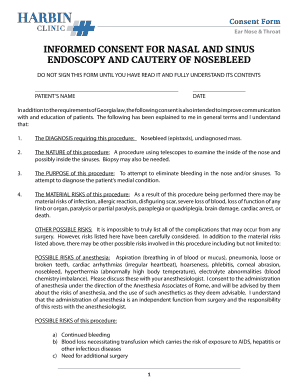




Injury Illness Recordkeeping Forms - 300, 300A, 301. Use this fillable PDF to maintain work-related injuries and illnesses records.Read more
Requirements and Forms 29 CFR Part 1904 Federal Register Notices Injury Illness Recordkeeping Forms - 300, 300A, 301 Part 1904 Recordkeeping Policies andRead more
Nov 29, 2011 The investigative questions are designed to gather facts related to requirements of the PSM standard, and include guidance for reviewingRead more


